


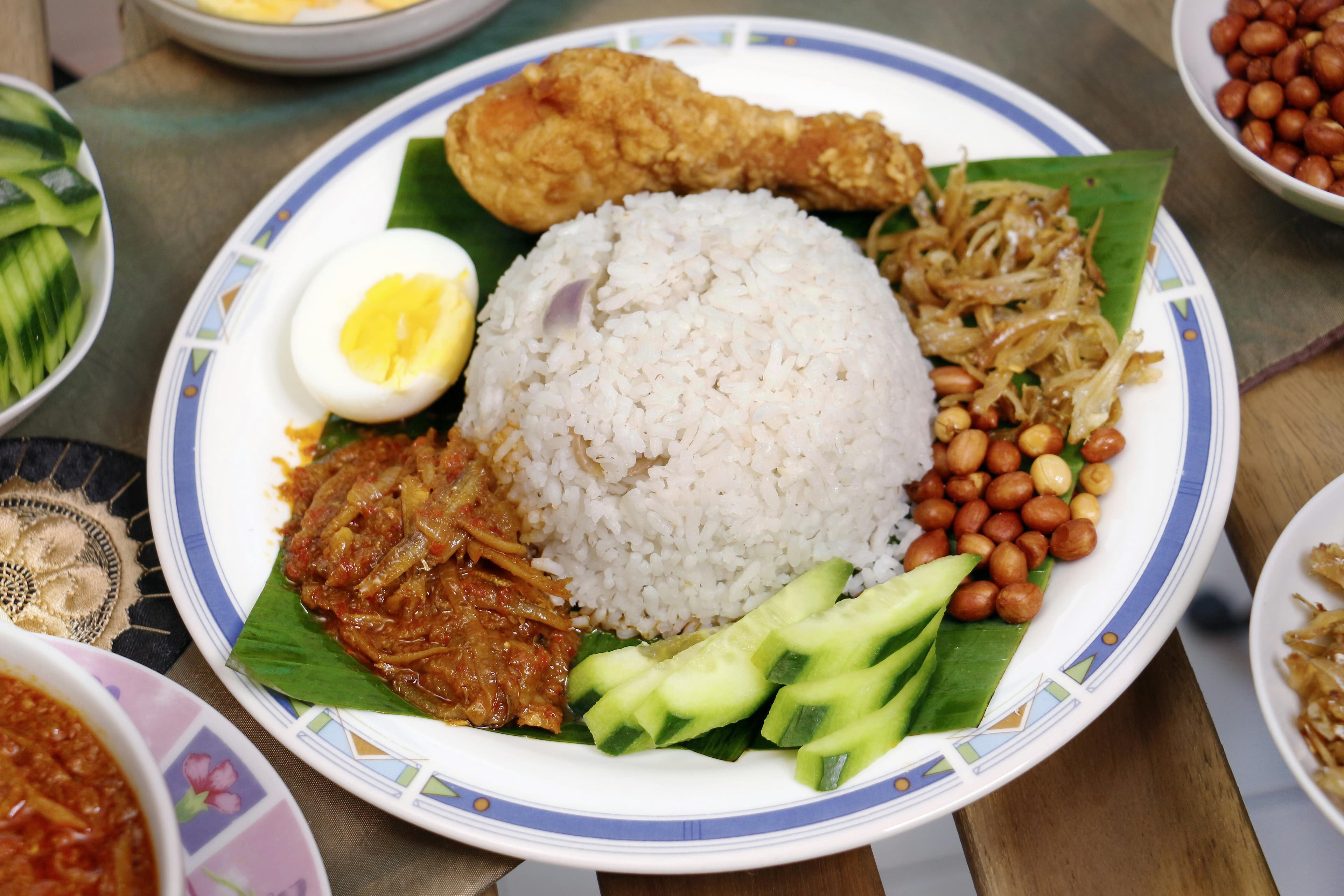
Hyperlocal Food Experiences: Beyond the Tourist Trail in Malaysia
Most trips have a food list. A few famous dishes, a couple of well-known restaurants, maybe a viral café or two. You follow recommendations, take photos, and check each item off with quiet satisfaction. And yet, something is missing. Because the best food experiences are rarely the ones you plan. They are the ones you stumble upon. A small stall with no signboard. A café tucked into a side street. A dish you did not expect to try, but remember long after the trip ends.
This is where hyperlocal food begins. It is not about popularity. It is about proximity. Food that belongs to a place, shaped by the people who live there and the ingredients that grow nearby. In Malaysia, hyperlocal food experiences are everywhere, just beyond the main roads and tourist trails. They exist in neighbourhood kopitiams, morning markets, roadside stalls, and family kitchens.
With travel becoming more intentional, more travellers are seeking these kinds of experiences. Not just to eat, but to understand. Because food is more than flavour. It is culture, history, and identity, served on a plate.
What Does Hyperlocal Food Really Mean
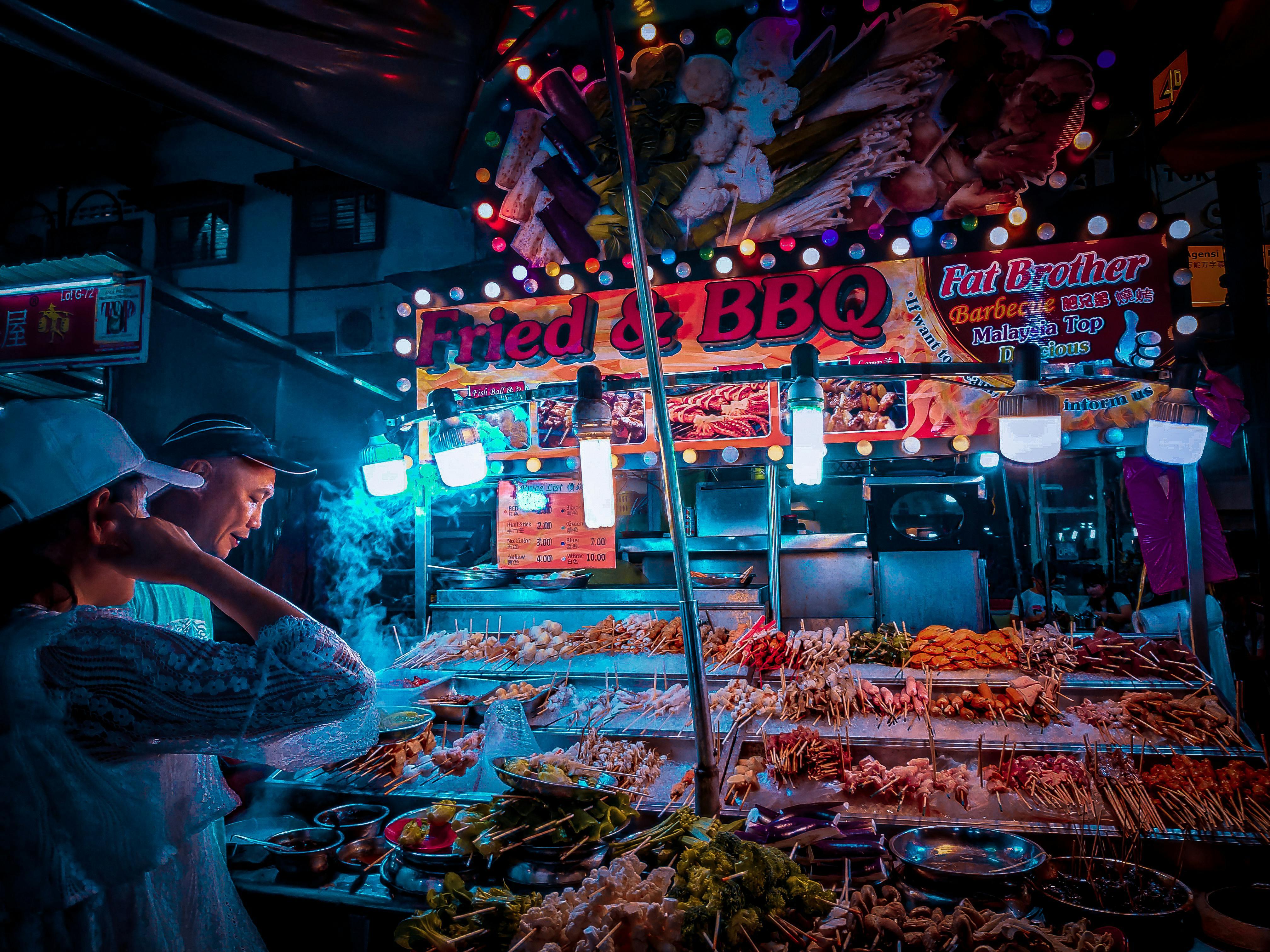
Preview
Hyperlocal food is about connection. It refers to dishes that are deeply tied to a specific place, often using ingredients sourced nearby and prepared using methods passed down through generations. These are not dishes designed for mass appeal. They are made for the community. You will not always find them in guidebooks. Sometimes, you need to walk a little further, ask a few questions, or simply follow the scent of something cooking.
In Malaysia, hyperlocal food reflects the country’s diversity. Each region has its own specialities, influenced by geography, culture, and history. A dish in Penang might taste different from the same dish in Johor. A recipe in a small town may have variations that exist nowhere else. This is what makes hyperlocal food so special. It is unique, personal, and rooted in place.
Where to Find Hyperlocal Food in Malaysia
Preview
Neighbourhood Kopitiams: The Everyday Classics
Kopitiams are more than coffee shops. They are part of daily life. In cities and small towns alike, these spaces bring people together. Regulars gather in the morning, conversations flow easily, and meals are served with familiarity rather than formality. Menus are often simple, but the flavours are deeply comforting. Toast with kaya, soft-boiled eggs, and strong local coffee. Dishes that have remained unchanged for years. What makes kopitiams special is not just the food, but the atmosphere. You are not just a customer. You are part of a shared routine, even if only for a moment.
Morning Markets: Fresh, Local, and Unfiltered
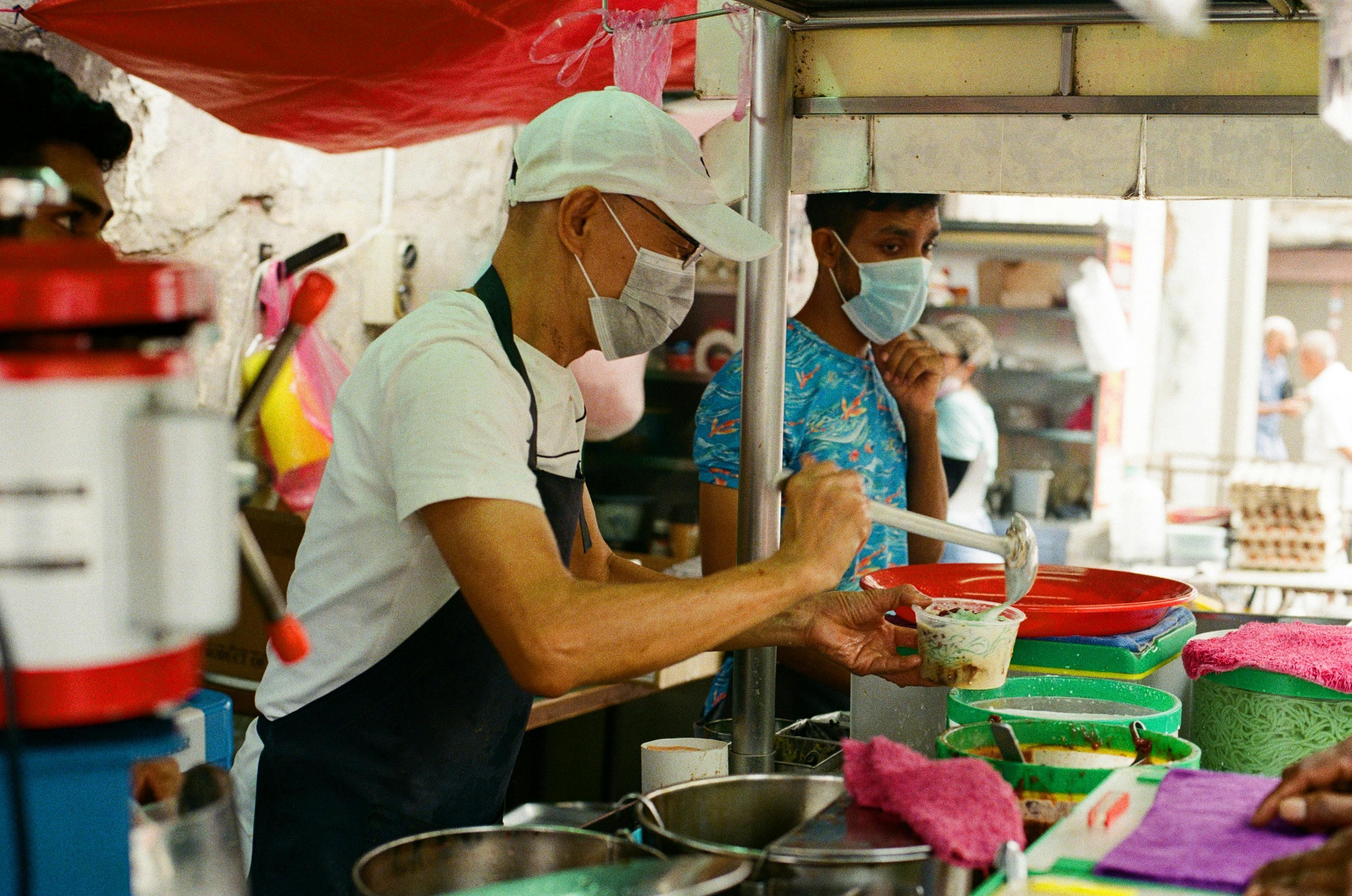
Early mornings reveal a different side of Malaysia’s food culture. Markets come alive before the day fully begins. Vendors set up stalls, fresh produce is arranged, and the air fills with the scent of herbs, spices, and cooked food. Here, you will find dishes that rarely appear in restaurants.
Traditional breakfasts, seasonal snacks, and local specialties prepared in small batches. Food that is meant to be eaten fresh, often standing or sitting on simple stools. Markets offer one of the most authentic ways to experience hyperlocal food. They reflect what people eat, not what is promoted.
Roadside Stalls: Simple but Memorable
Some of the most unforgettable meals in Malaysia come from roadside stalls. These are places where the focus is entirely on the food. No décor, no presentation, just skill and consistency. You might find a stall that serves only one dish, perfected over the years. The queue tells you everything you need to know. Eating here feels different. It is immediate, unfiltered, and honest. These experiences often become highlights of a trip.
Small Town Discoveries
Hyperlocal food becomes even more distinct in smaller towns. Places like Muar, Taiping, and Kuala Kangsar offer food experiences that feel deeply rooted in community. In these towns, recipes are often unchanged for decades. Ingredients are sourced locally, and dishes reflect the region’s identity. Exploring food here requires curiosity. Asking locals for recommendations often leads to places you would never find on your own.
The Stories Behind the Food
Preview
Generations of Knowledge
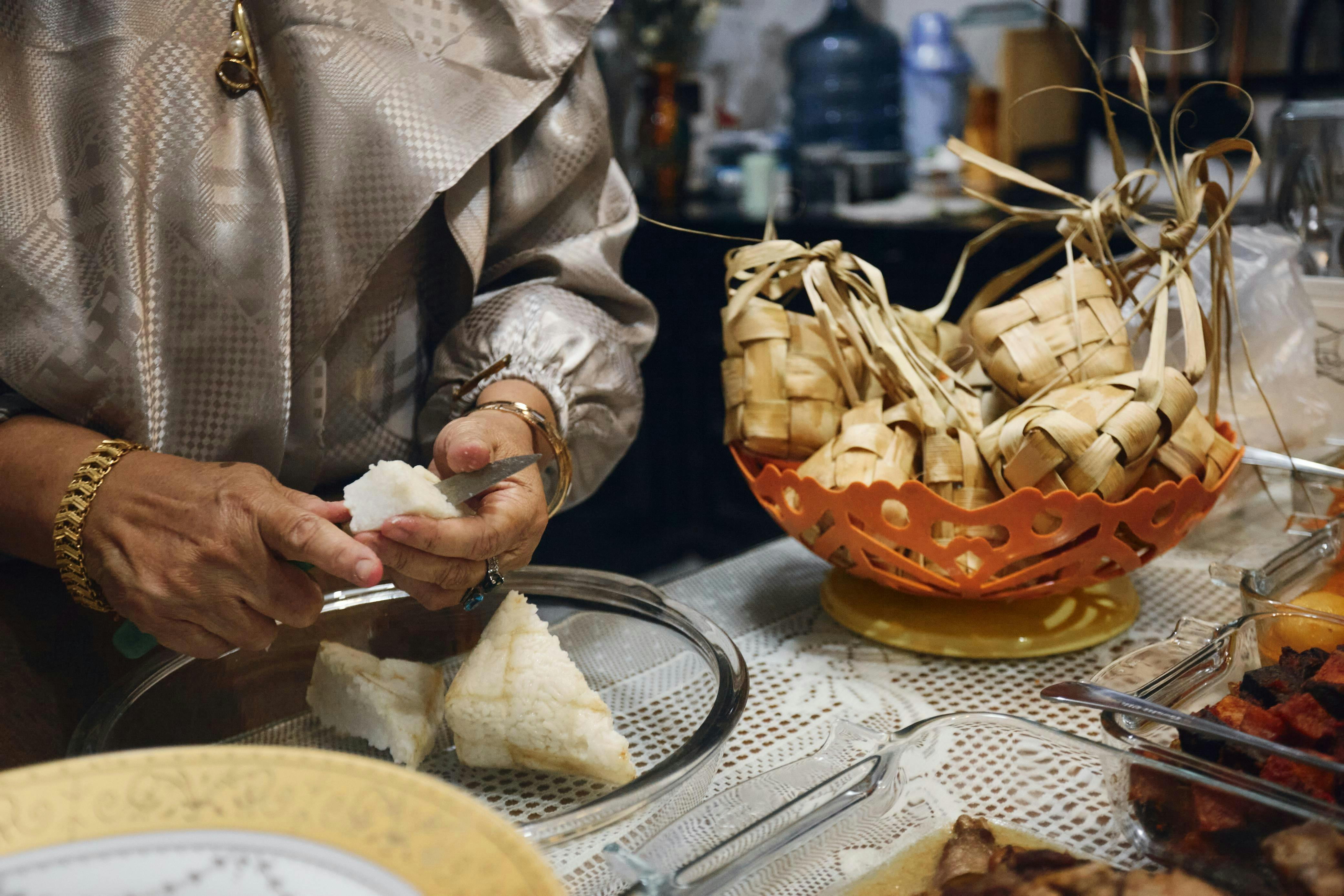
Many hyperlocal dishes are the result of years of practice. Recipes are passed down through families, refined over time, and protected with quiet pride. The way ingredients are prepared, the timing of each step, the balance of flavours, all of it carries meaning. Speaking to those who prepare the food often reveals stories that go beyond the dish itself. Stories of migration, adaptation, and tradition.
Ingredients That Define Place
Hyperlocal food is closely tied to local ingredients. Coastal areas rely on fresh seafood. Highland regions focus on vegetables and herbs. Rural communities use what is available around them. This creates flavours that are specific to each region. Understanding where ingredients come from adds another layer to the experience.
The Role of Community
Food in Malaysia is often shared. Meals are social, not solitary. Tables are filled with multiple dishes, conversations flow, and time is spent together. This sense of community is reflected in hyperlocal food experiences. Eating becomes a way of connecting, not just consuming.
Moving Beyond the Tourist Trail
Preview
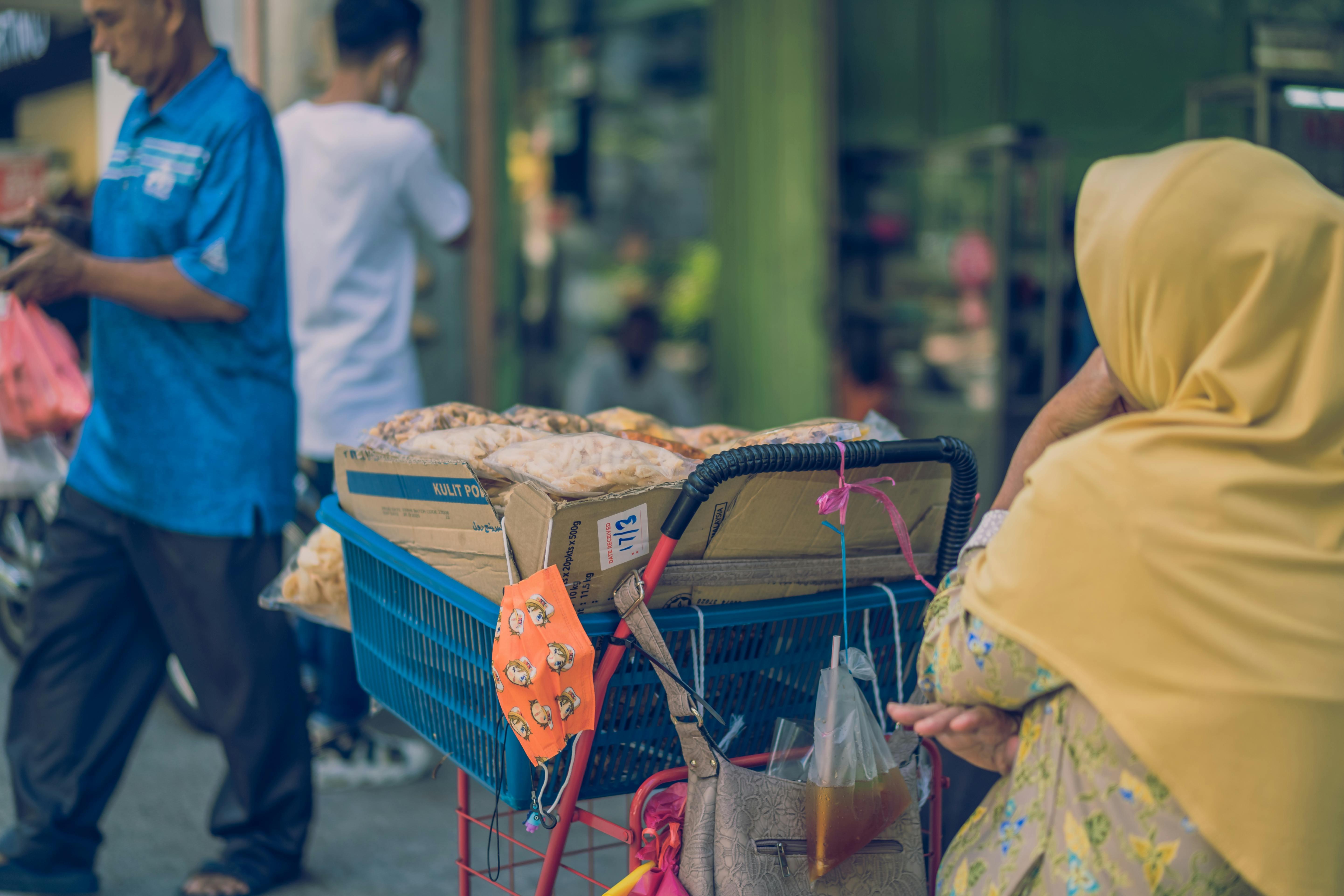
Finding hyperlocal food requires a different approach to travel. It means stepping away from popular recommendations and being open to exploration. Walking through neighbourhoods. Observing where locals eat. Asking simple questions. It also means being patient. The best places are not always obvious. They reveal themselves slowly.
Why This Way of Eating Matters
Preview
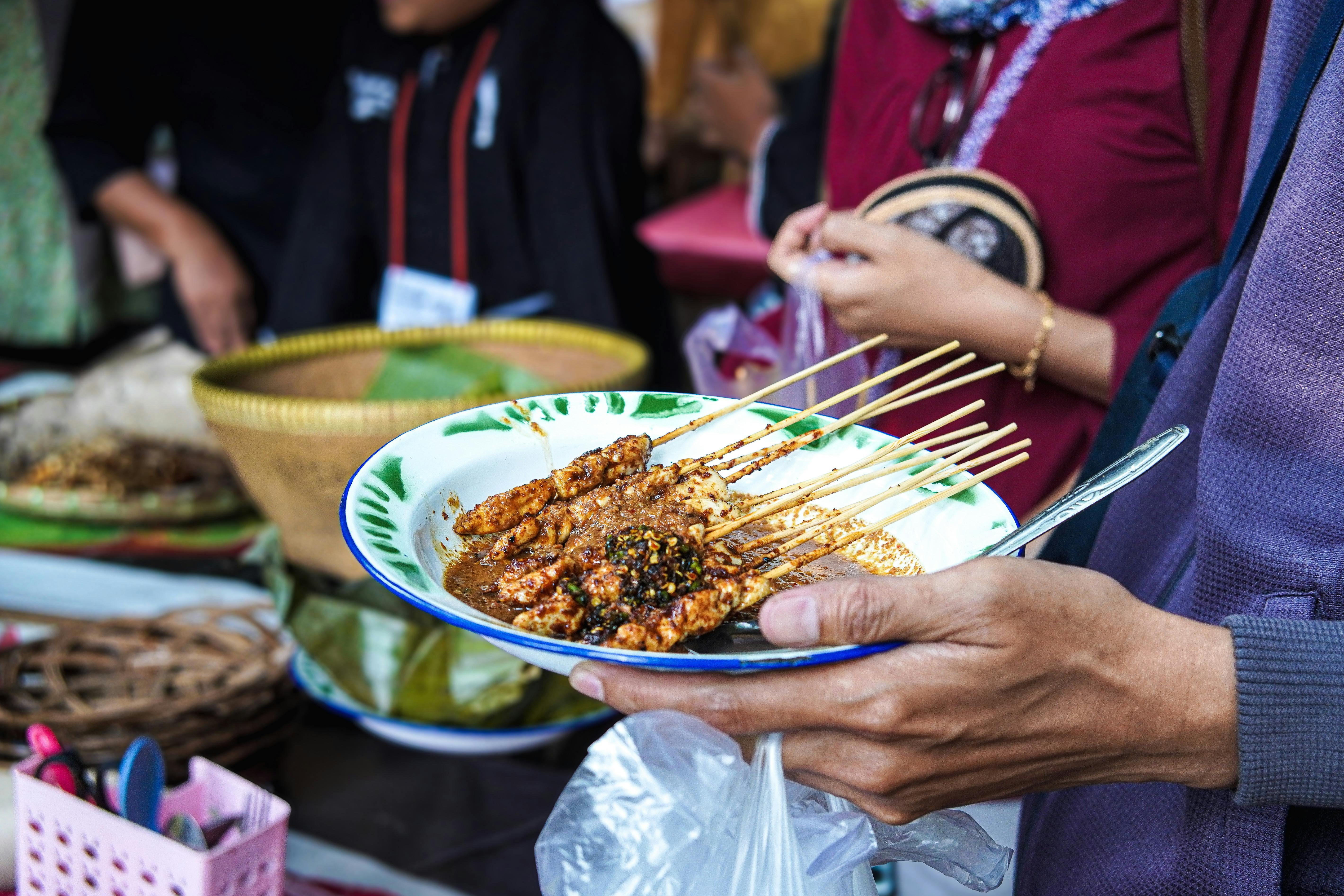
Hyperlocal food experiences support local communities. They help sustain small businesses, preserve culinary traditions, and maintain cultural identity. For travellers, they offer something more meaningful than a standard dining experience. They create a connection. They turn meals into memories.
Practical Tips for Discovering Hyperlocal Food
- Start early. Morning markets and breakfast spots often offer the most authentic experiences.
- Ask locals. Recommendations from residents are often more valuable than online reviews.
- Be open to trying new things. Some dishes may be unfamiliar, but that is part of the experience.
- Observe. Look for places with local customers. It is usually a good sign.
- Keep it simple. The best food is often found in the most unassuming places.
The Balance Between Comfort and Curiosity
Preview
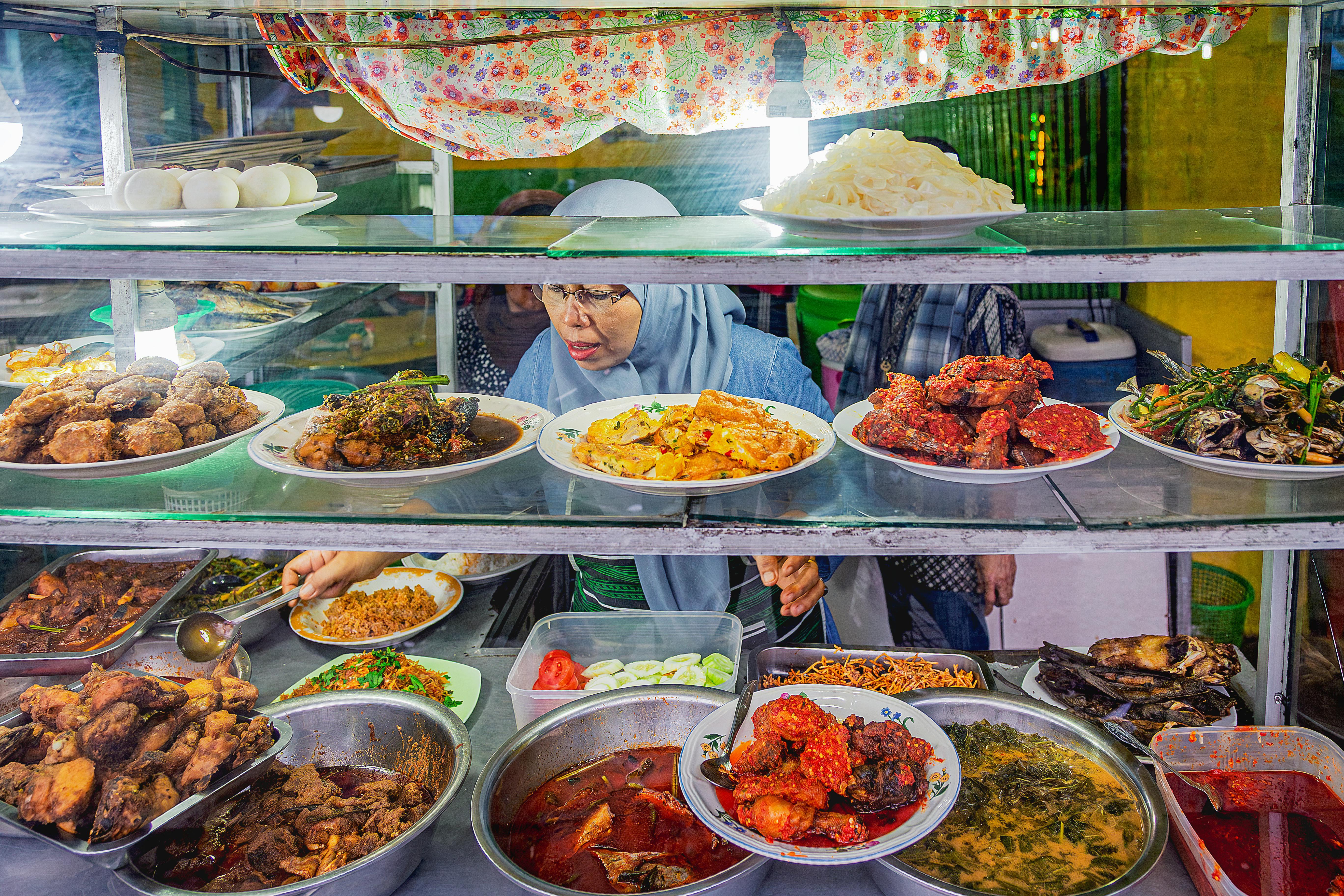
Exploring hyperlocal food does not mean giving up comfort entirely. It is about balance. You can enjoy well-known restaurants and still seek out smaller, local experiences. Both have their place in a journey. What matters is making space for discovery.
Final Thoughts: Eating Your Way Into a Place
Preview
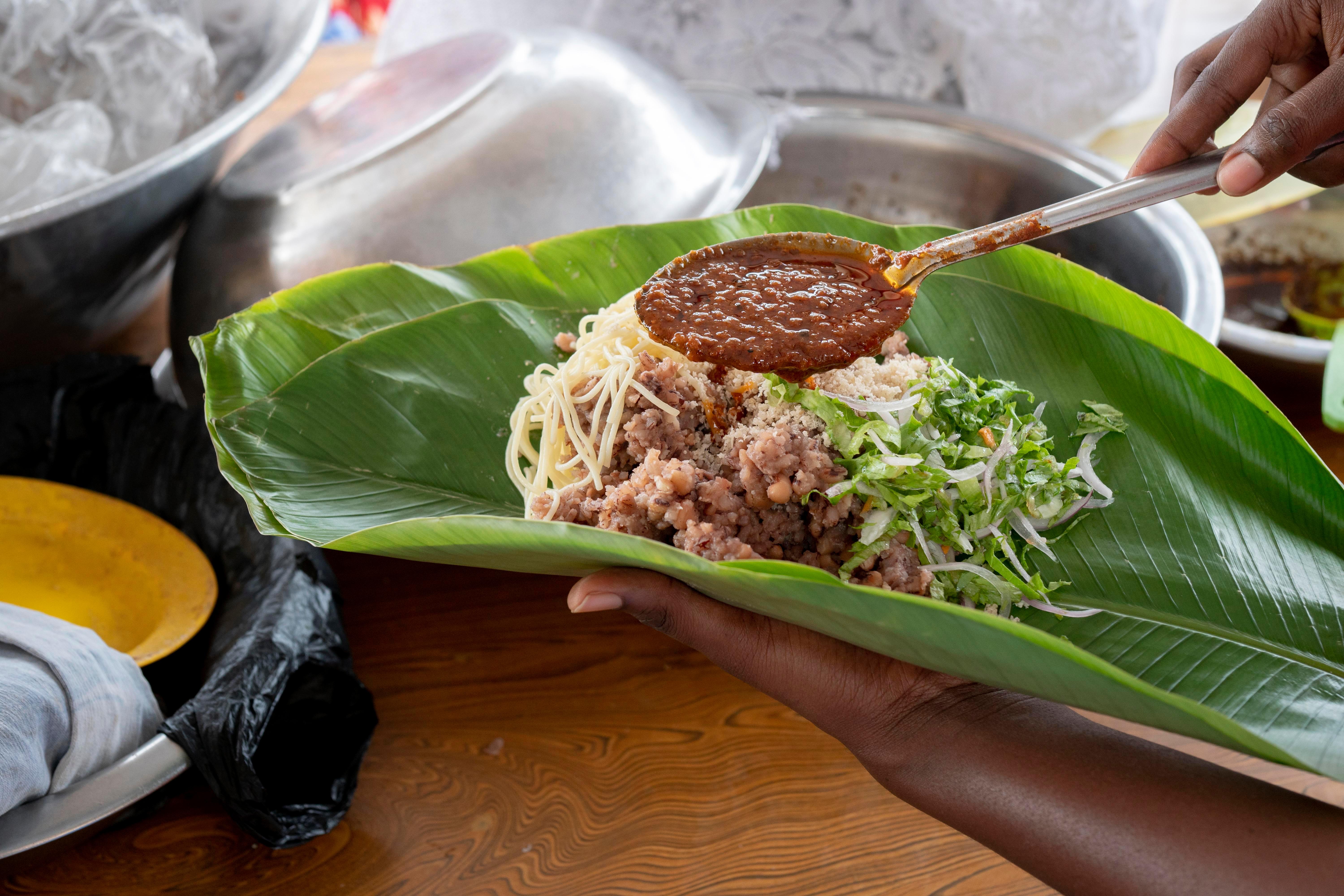
Food is one of the most direct ways to understand a destination. It tells you what people value, how they live, and what matters to them. Hyperlocal food experiences go a step further. They invite you into the everyday. They show you a side of Malaysia that is not designed for tourists, but shared with them.
To explore deeper, more meaningful food journeys across Malaysia, visit LAGO Travel and discover experiences that go beyond the expected.