


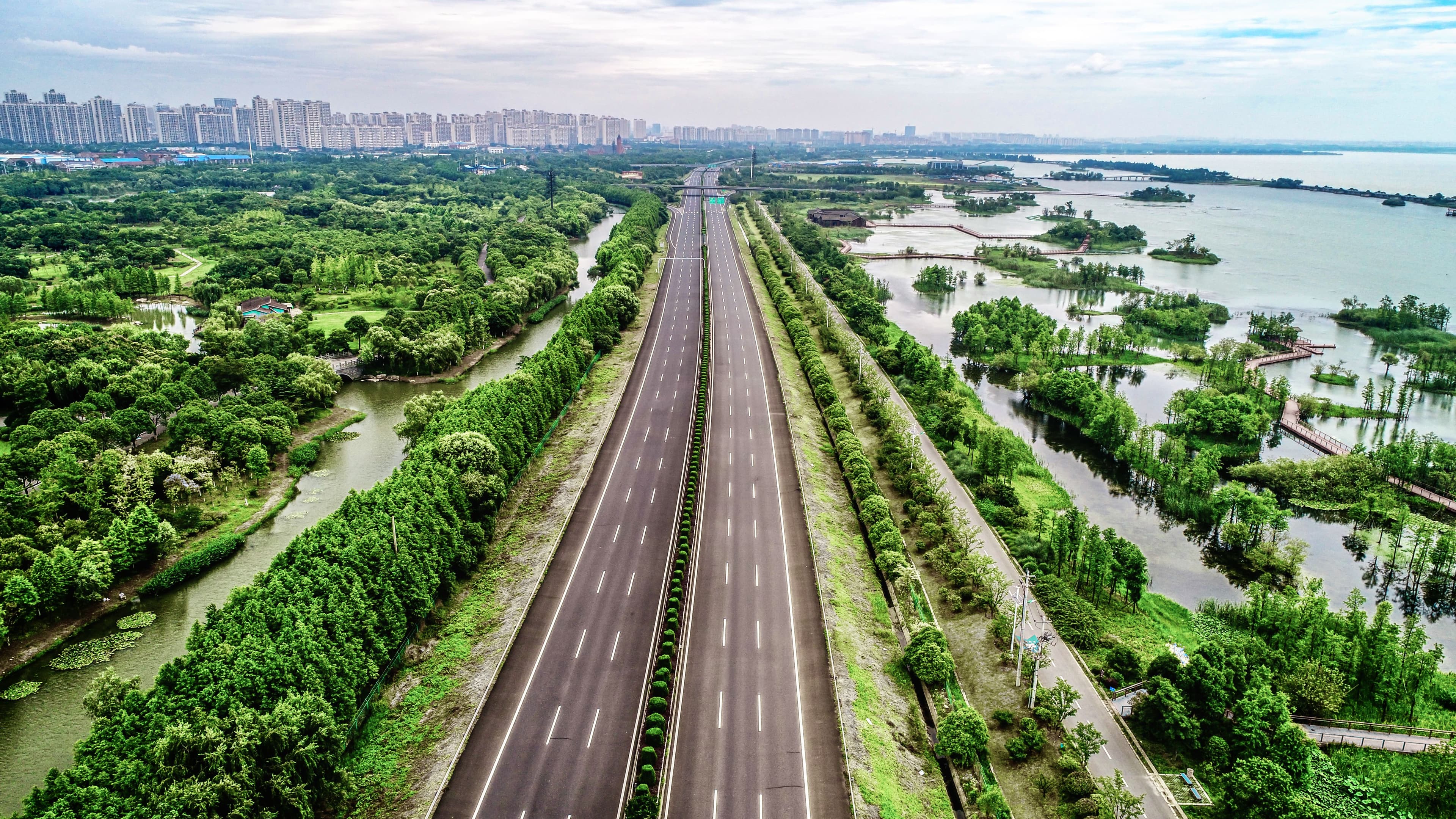
Green Transport Options Across Malaysia for Low Impact Travel in 2026
The Shift: Travelling Lighter on the Land
Travel has always been about movement. Planes, trains, roads, and routes that connect us to places we have never seen before. But in recent years, the way we think about movement has begun to change. Travellers are asking new questions. Not just where to go, but how to get there responsibly. Not just how fast, but how gently.
As the world moves toward more conscious choices, low-impact travel is becoming a defining part of the journey. It is no longer enough to choose a beautiful destination. The journey itself matters just as much.
Malaysia, with its evolving infrastructure and growing sustainability focus, is quietly becoming one of Southeast Asia’s most accessible countries for green transport. From modern electric trains to efficient bus networks and walkable heritage towns, the country offers a range of options that allow travellers to reduce their environmental footprint without sacrificing comfort.
In the lead-up to Visit Malaysia 2026, sustainable mobility is gaining attention as part of a broader movement toward thoughtful travel experiences. The goal is simple but powerful. To explore more while impacting less.
Why Green Transport Matters in Malaysia

Preview
Malaysia’s landscapes are incredibly diverse. Dense rainforests, coastal regions, islands, and highlands all exist within relatively short distances. This makes transport choices especially important.
Traditional travel methods often rely heavily on private vehicles or short flights. While convenient, these options contribute significantly to carbon emissions and environmental strain. Choosing greener alternatives helps reduce that impact.
Rail travel, shared transport, and non-motorised mobility not only lower emissions but also change the travel experience itself. Journeys become slower, more immersive, and often more scenic. There is also a cultural dimension. Public transport systems connect travellers with local life. You see how people move, commute, and interact with their surroundings.
Malaysia has been steadily improving its transport infrastructure to support more sustainable travel patterns. Electrified rail lines, integrated transit systems, and improved bus connectivity make it easier than ever to explore responsibly. For travellers interested in sustainable travel and low-impact travel, Malaysia offers a balance between accessibility and environmental awareness.
Rail Travel: The Backbone of Low-Impact Journeys
Preview
KTM Intercity and ETS Trains
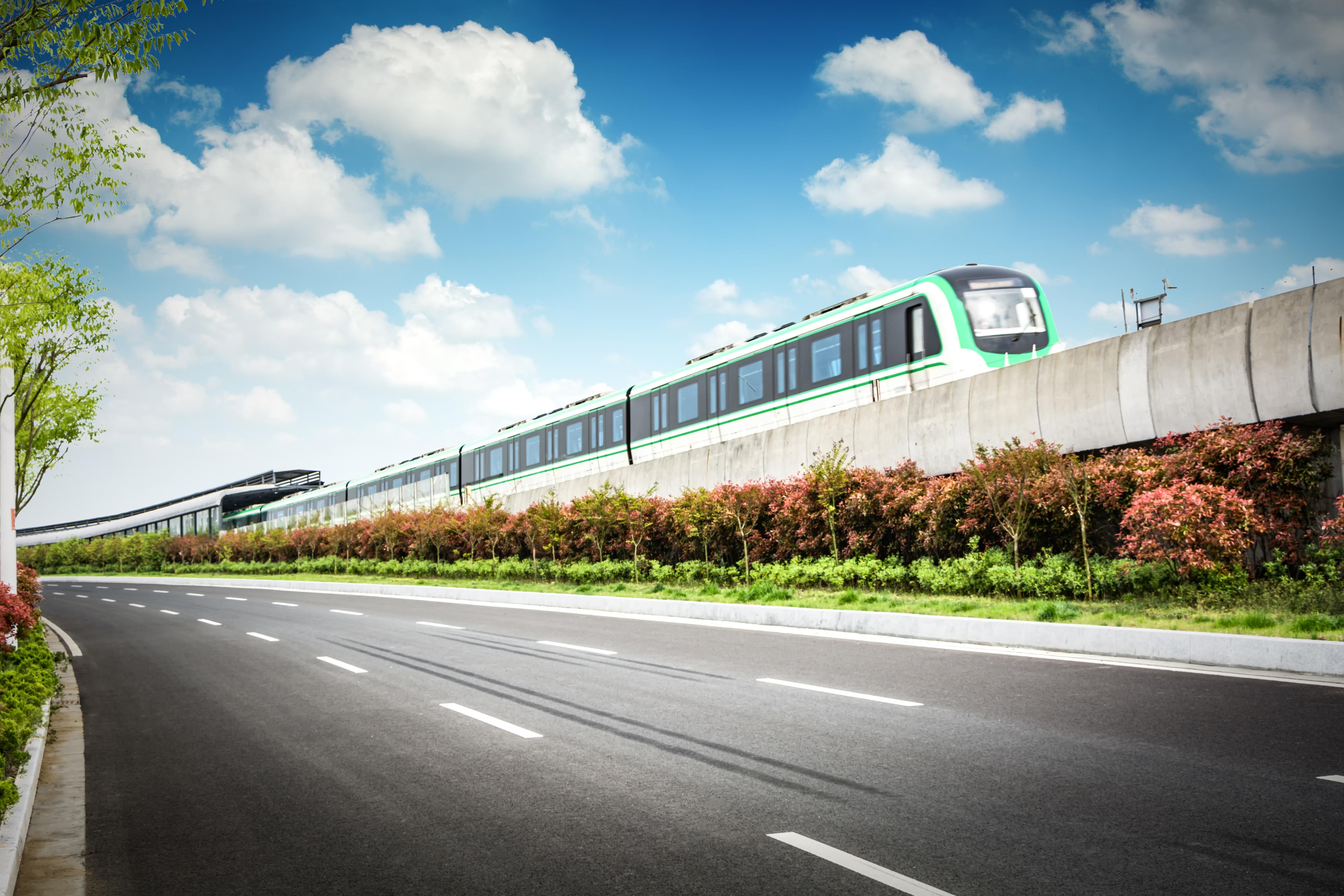
Malaysia’s rail network is one of the most effective ways to travel sustainably across the country. The KTM ETS connects major cities like Kuala Lumpur, Ipoh, Penang, and Padang Besar with fast, comfortable electric trains. These services run on electrified tracks, significantly reducing emissions compared to traditional diesel transport.
Travelling by train offers more than just efficiency. It creates a different rhythm. You watch landscapes change gradually, from urban skylines to rural fields and forested hills. Seats are spacious, journeys are smooth, and the experience feels relaxed rather than rushed.
For travellers planning routes across Peninsular Malaysia, rail travel is one of the most practical and eco-friendly choices available.
Urban Rail Systems in Kuala Lumpur
Within cities, Malaysia’s urban rail systems make low-impact travel even easier. Kuala Lumpur’s network includes the Kuala Lumpur MRT, LRT, and monorail lines. Together, they connect key areas across the city with minimal need for private transport.
For visitors, this means you can move between attractions, shopping districts, and cultural areas efficiently without contributing to traffic congestion or emissions. Stations are well-maintained, signage is clear, and routes are straightforward to navigate.
Using public rail within cities is one of the simplest ways to practice mindful travel while still enjoying everything Malaysia has to offer.
Bus Networks: Shared Travel with Lower Impact
Preview
Long Distance Coaches
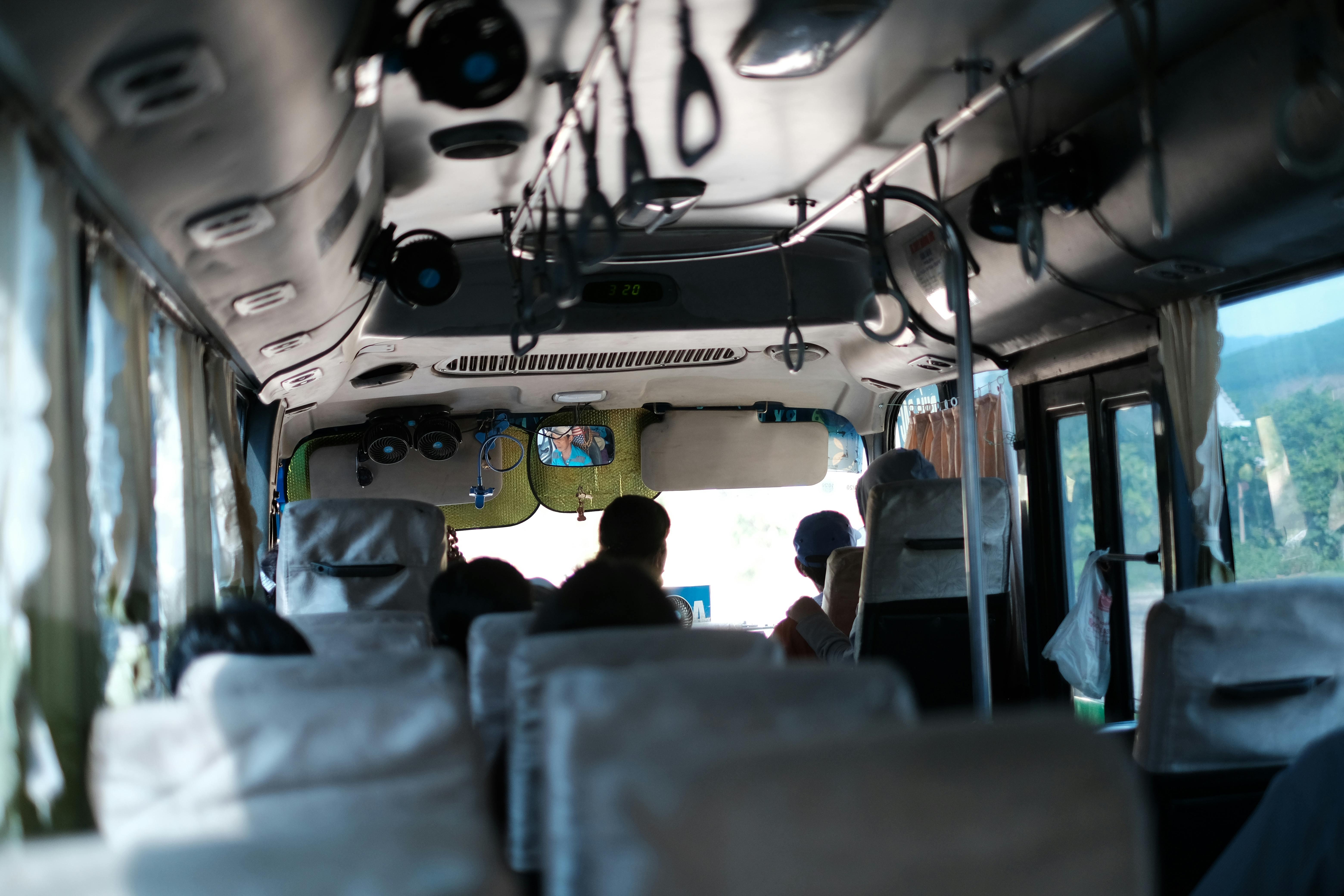
Malaysia’s long-distance bus system is another excellent option for low-impact travel. Modern coaches connect major cities and smaller towns across the country. These buses are comfortable, air-conditioned, and often more energy efficient per passenger compared to private cars.
Travelling by bus also allows access to destinations not directly served by rail, making it a flexible choice for travellers exploring beyond major routes.
For example, routes from Kuala Lumpur to Melaka, Cameron Highlands, or Johor Bahru are frequent and easy to book. Choosing shared transport reduces overall emissions while offering a practical and affordable way to travel.
Electric and Green Buses
Cities like Kuala Lumpur are also introducing greener public bus options. The Go KL City Bus is a well-known initiative that offers free bus services across key areas in the city. Some routes are gradually integrating electric or low-emission vehicles. These buses are ideal for short-distance travel, connecting popular districts without additional cost or environmental burden.
As Malaysia moves toward Visit Malaysia 2026, investments in electric mobility are expected to grow, making city travel even more sustainable.
Cycling and Walking: The Slow Travel Experience

Preview
Exploring Cities on Foot
Some of the most memorable travel moments happen when you slow down completely. Cities like George Town in Penang and Malacca are ideal for walking. Streets are compact, attractions are close together, and the experience feels immersive.
Walking reduces environmental impact to zero while allowing you to notice details often missed in faster transport. You discover hidden cafés, quiet alleys, and local interactions that bring a destination to life.
Cycling for Coastal and Urban Routes
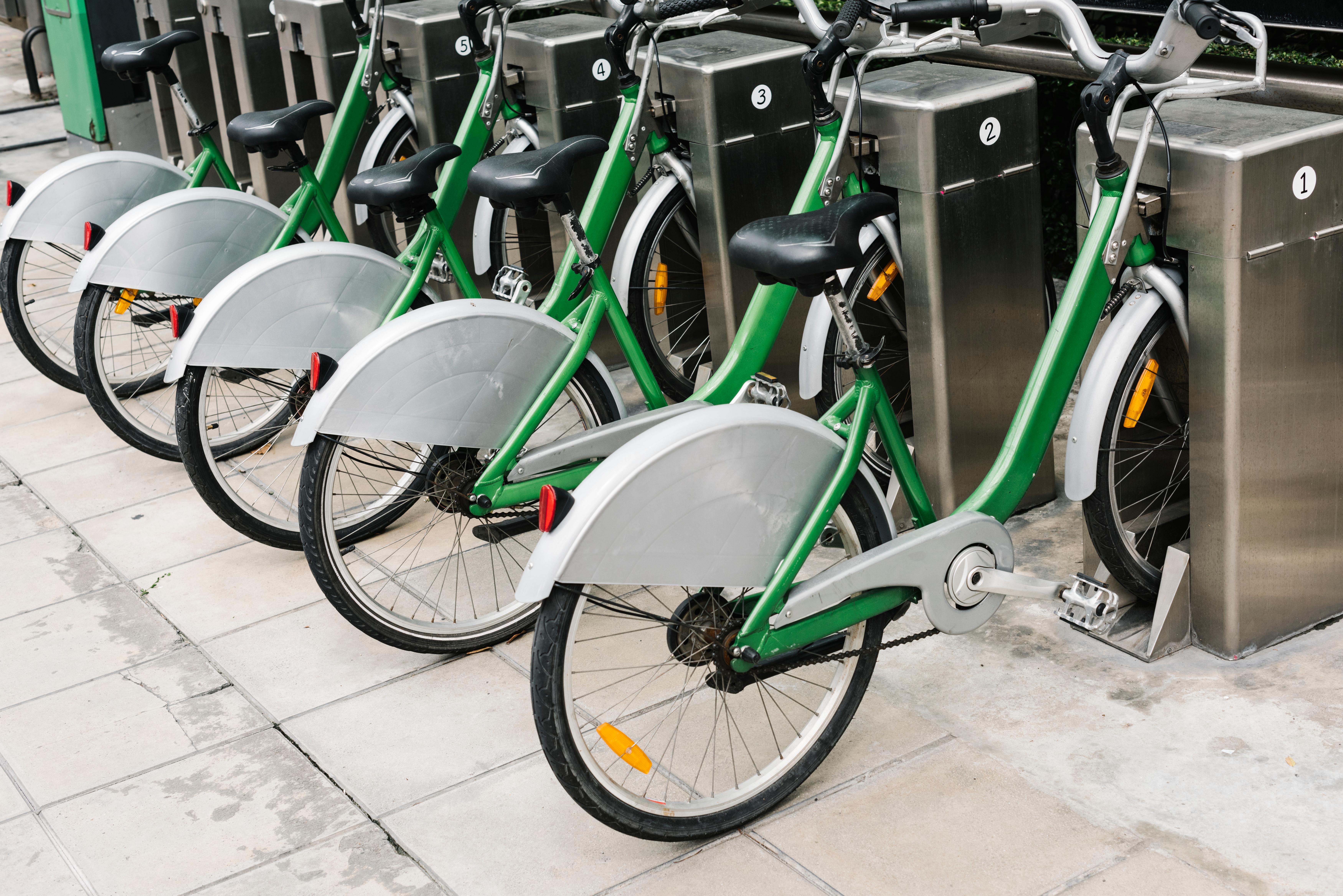
Cycling is gaining popularity in several Malaysian destinations. Penang offers scenic coastal cycling routes, while Desaru Coast provides dedicated paths ideal for relaxed rides. Bike rentals are increasingly available, making it easy for travellers to explore sustainably.
Cycling combines movement with mindfulness. It slows your pace while keeping you connected to your surroundings. For those seeking low-impact travel with a touch of activity, cycling offers a rewarding alternative.
Ferries and Boats: Greener Island Connections
Preview
Island Transfers with Reduced Impact
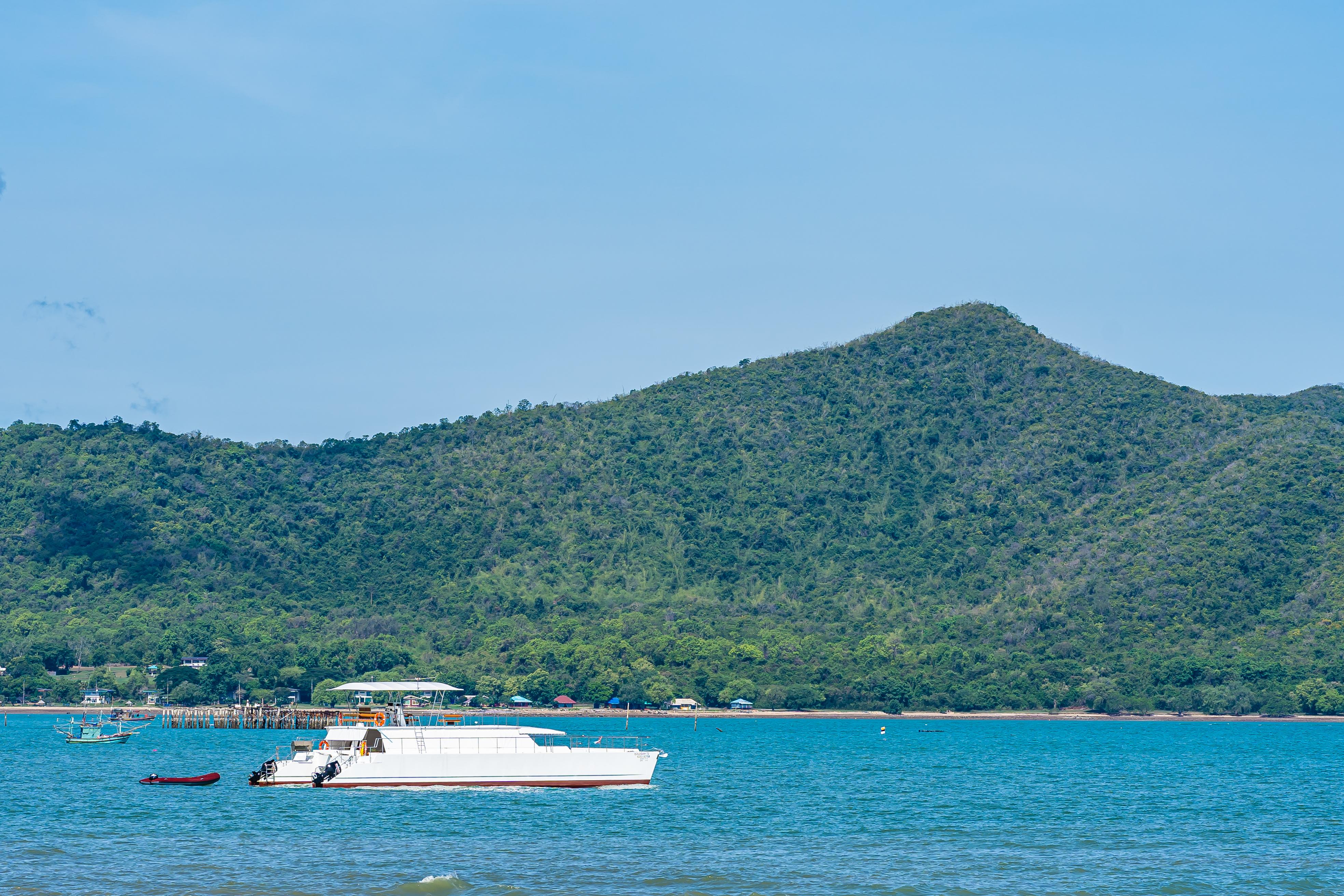
Malaysia’s islands are an essential part of its travel appeal, and ferry services provide a more sustainable way to reach them. Routes connecting Penang, Langkawi, and other coastal destinations allow travellers to avoid short-haul flights while enjoying scenic sea journeys.
While marine transport still has an environmental impact, shared ferry services reduce per-person emissions compared to individual travel options. The experience itself adds value to the journey. Watching coastlines approach slowly creates anticipation and a sense of transition.
The Future of Green Transport in Malaysia
Preview
As Malaysia prepares for Visit Malaysia 2026, sustainability is becoming a central theme across tourism and infrastructure. Electric vehicles, improved rail connectivity, and integrated transport systems are expected to expand further. Cities are exploring smart mobility solutions, while tourism operators are adopting greener practices.
For travellers, this means more choices that align with environmentally conscious values. Low-impact travel is no longer a niche concept. It is becoming part of mainstream travel planning.
Malaysia’s commitment to balancing growth with sustainability positions it as a forward-thinking destination for eco-conscious explorers.
Practical Tips for Low-Impact Travel
Planning a greener journey does not require major sacrifices. Small choices can make a significant difference. Choose trains over short flights whenever possible. Use public transport within cities instead of ride-hailing services. Combine walking and cycling for shorter distances.
Travel light to reduce fuel consumption. Support operators that prioritise sustainability. Stay longer in each destination to reduce frequent movement. Most importantly, approach travel with awareness. Every decision shapes the experience and its impact.
Final Thoughts: Travel That Feels Good in Every Way
Preview
Low-impact travel is not about limitation. It is about intention. In Malaysia, choosing greener transport options allows you to explore more deeply while respecting the landscapes that make the journey worthwhile.
As Visit Malaysia 2026 approaches, this way of travelling feels more relevant than ever. To plan your next mindful journey, explore curated travel experiences at LAGO Travel and discover how travel can feel better in every way.