


Monsoon Magic: Why Rainy Season Travel in Malaysia Is Underrated
Rain Doesn't Ruin a Journey. Sometimes It Creates One.
Preview
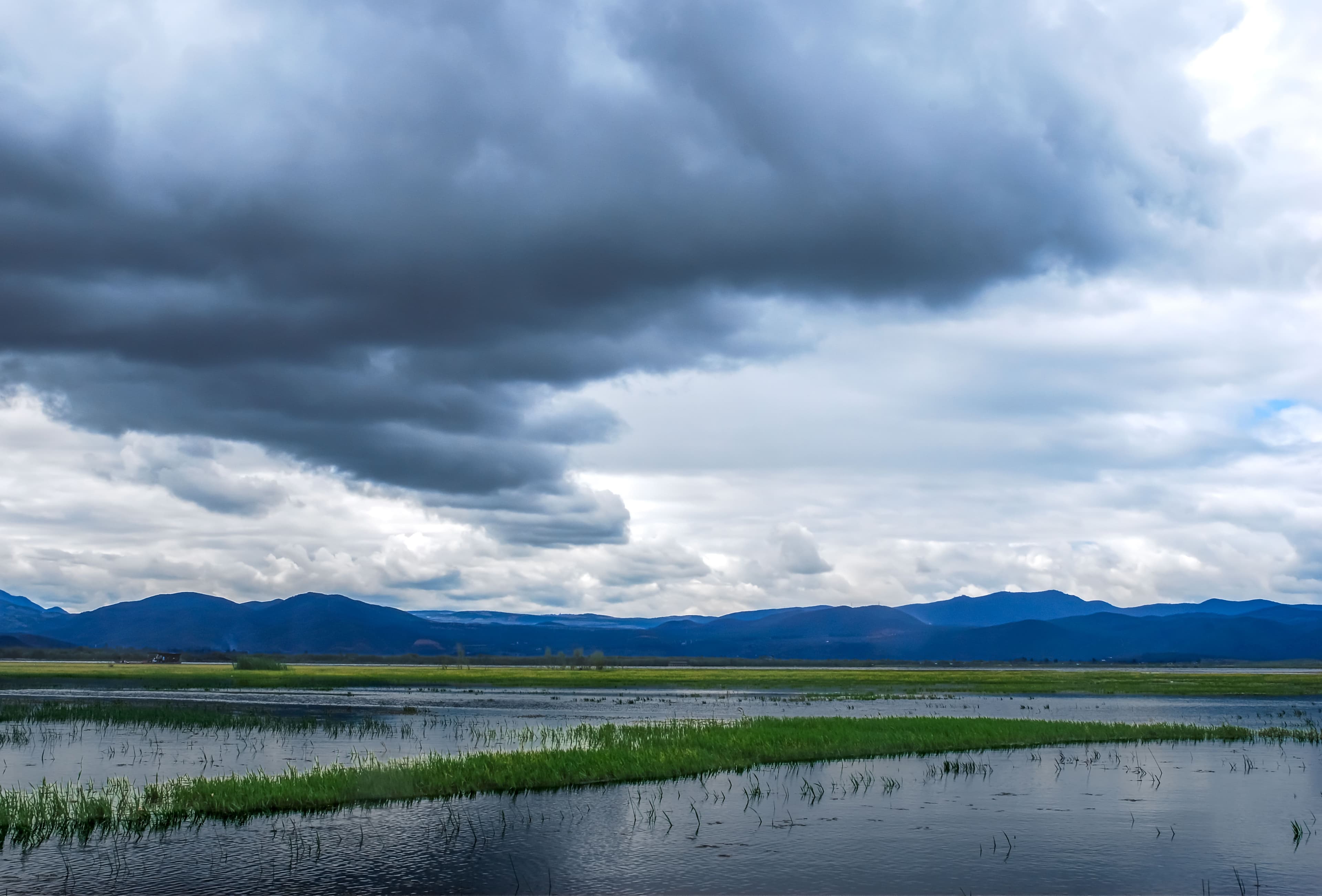
Rain is usually the thing travellers run from. Flights get shifted, beach trips get postponed, and the forecast ends up deciding the itinerary. But spend enough time in Malaysia and you realise rain isn’t the interruption here. It’s the reason the place looks the way it does. Forests that have stood for over 130 million years, waterfalls tumbling through jungle valleys, emerald rice fields, tea-covered hillsides and wildlife that draws nature lovers from across the world all depend on the rhythm of the rains. Skip Malaysia in monsoon season, and you miss one of its most beautiful transformations.
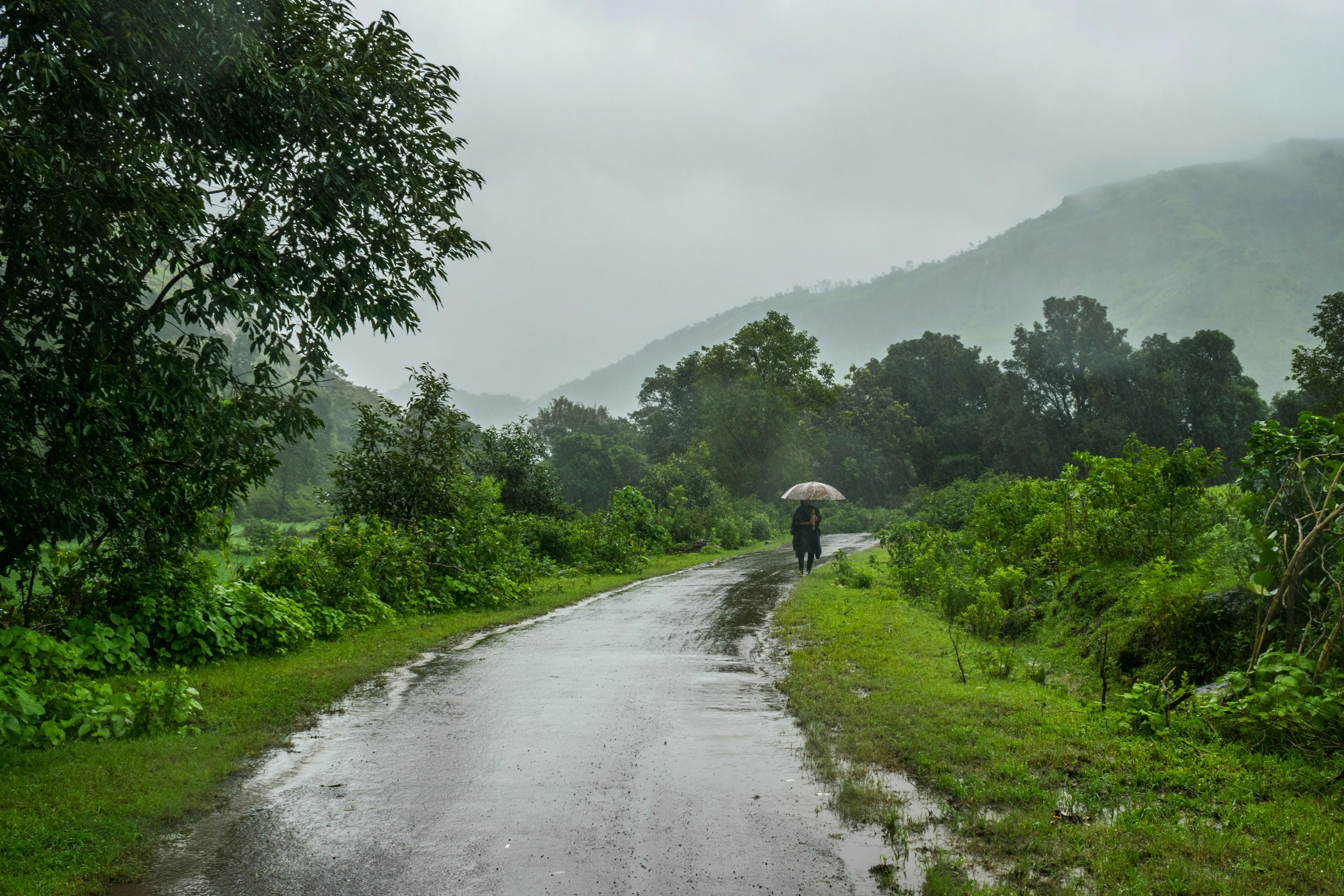
Travelling in the rain asks for a different mindset, and that’s where the rewards begin. Mist drifts across mountain ridges, the forests turn greener than you thought possible, and rivers rush with fresh energy. Cafés become cosy refuges where conversations linger over hot coffee, and heritage towns slow into something more intimate. Even the sound changes. Insects soften beneath falling droplets, wet leaves shimmer, and the scent of damp earth rises from the forest in a way you can’t quite describe until you’ve stood in it.
This is the side of Malaysia few international visitors ever see. Crowds thin out, stays often cost less, and local life carries on as it always has, because rain has never stopped anyone here from living. It simply invites you to experience the country differently. Embrace that, and the monsoon stops feeling like bad weather and becomes one of Malaysia’s best-kept secrets.
Understanding Malaysia's Monsoon Seasons
Preview
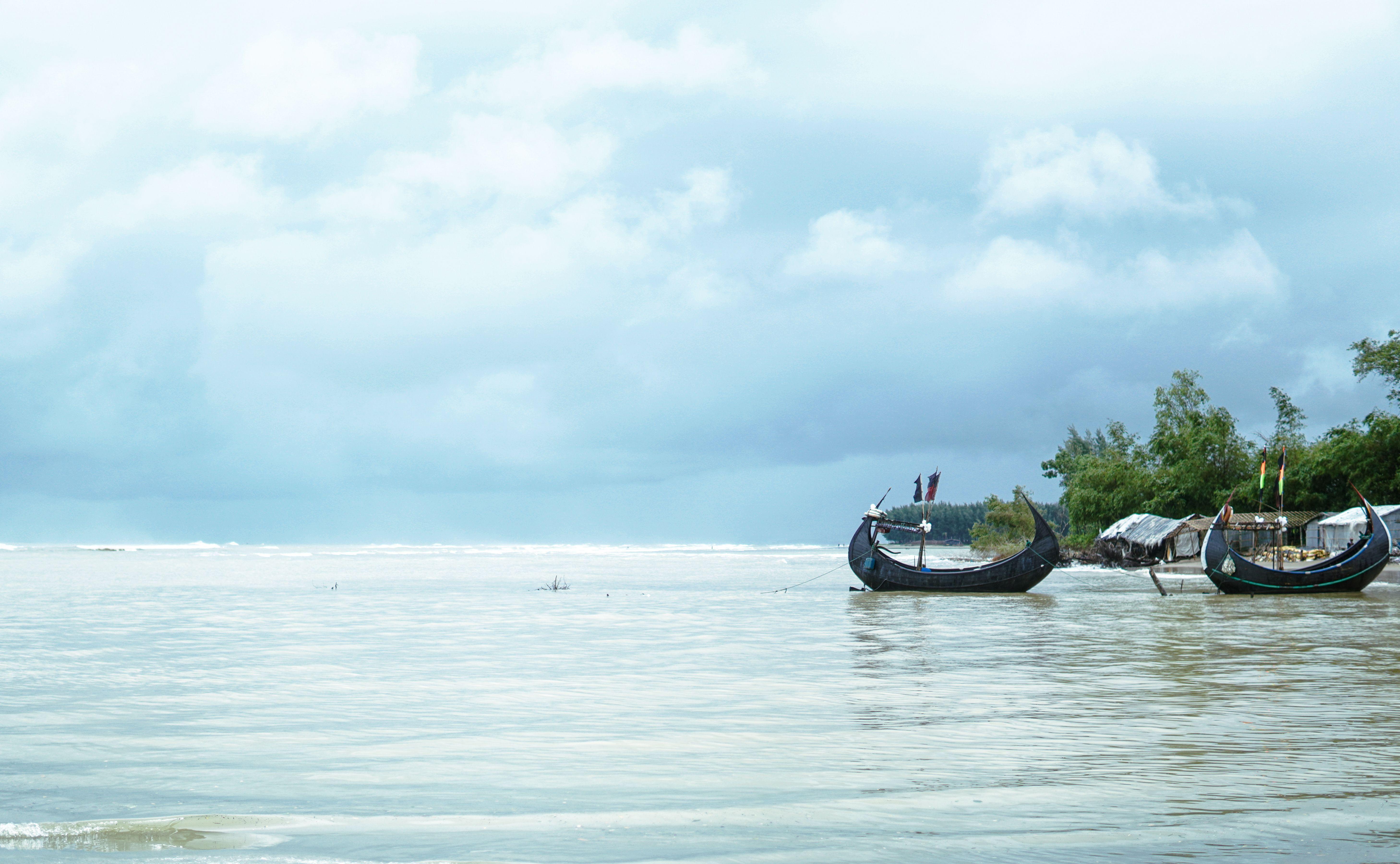
It’s a myth that Malaysia is soaked from end to end all at once. The country’s weather is far more patchwork than that. The northeast monsoon mostly hits the east coast of Peninsular Malaysia between November and March, while the west coast, including Langkawi and Penang, tends to stay drier over the same months. Sabah and Sarawak on Borneo keep their own calendar entirely, so a traveller who knows the seasons can almost always find good weather somewhere in the country.
Even in the wetter months, the rain rarely settles in for the day. A tropical shower storms in with real drama, then clears just as fast, leaving bright skies, cooler air and a landscape that looks freshly washed. Locals know this rhythm by heart. They head out early, linger over lunch while the afternoon downpour passes, and carry on once the sky opens up again. Visitors pick up the habit quickly, and most end up loving it.
Quieter months bring their own freedom. Scenic roads empty out, tables are easy to get, and boutique stays have rooms to spare. Attractions that feel jammed in peak season become calm enough to actually enjoy. Photographers get the best of it too, with richer colours, dramatic reflections and mist that gives every landscape extra depth.
Cameron Highlands: Where Rain Makes the Landscape Even More Beautiful
Preview
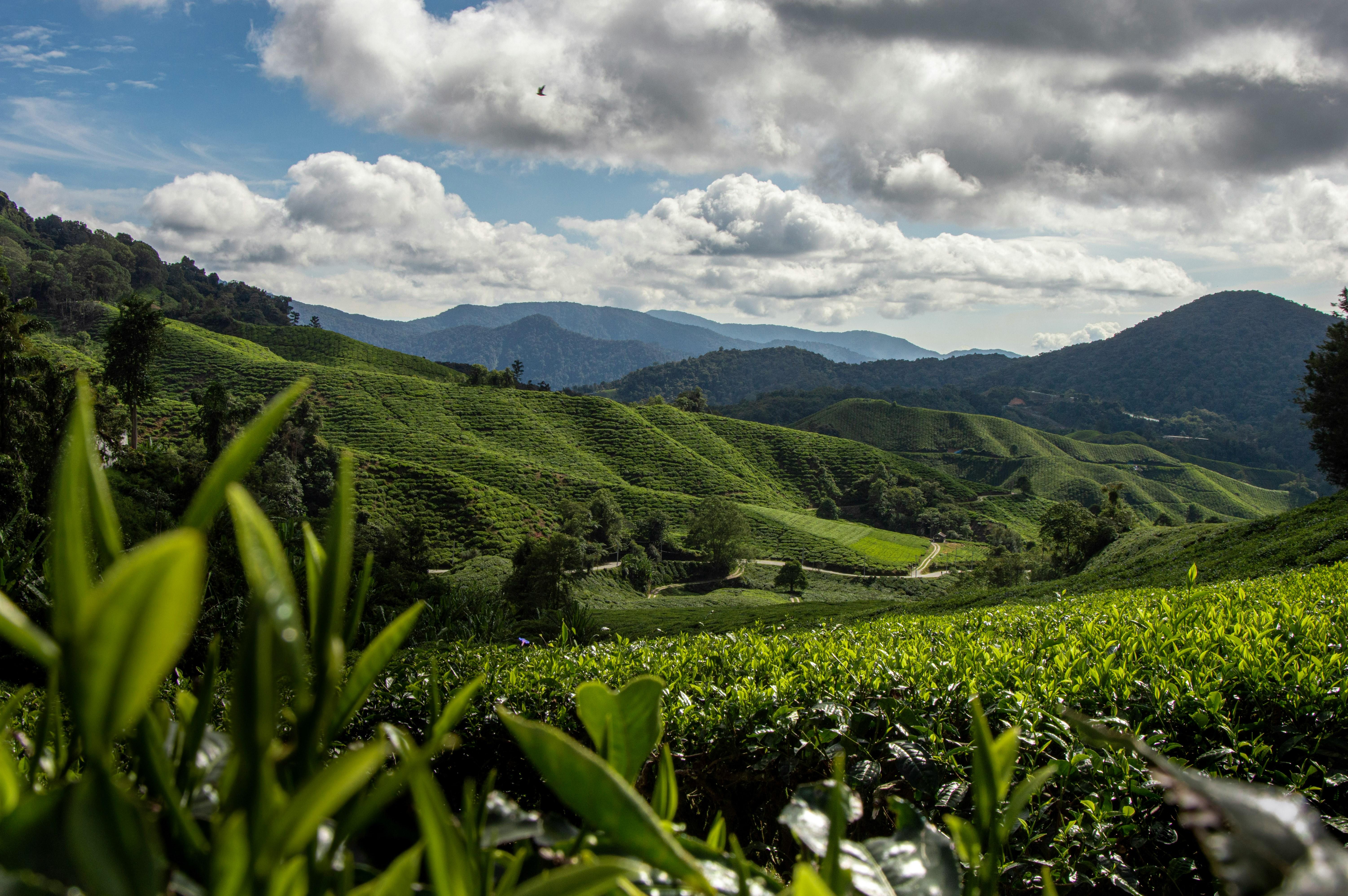
Few places wear the rain as well as Cameron Highlands. When clouds drift down and settle across the hills, the tea bushes glow an impossible green and the early morning mist turns familiar viewpoints into something close to a landscape painting. The cooler air makes the trails a pleasure to walk, too.
Rainy mornings are the time to visit the tea estates, before the crowds arrive. Watch the clouds lift slowly over endless rows of tea while sipping a freshly brewed cup, and you will understand why. Rain even shapes the tea itself, as steady moisture lets the leaves grow slowly and develop a character drier climates cannot match.
Beyond the plantations, the mossy forests come alive. Ferns, orchids and carnivorous pitcher plants thrive in the damp, and every surface glistens as birds and insects stir. Many local guides will tell you a light drizzle is the best time to walk here.
Ipoh: Rainy Days and Heritage Cafés
Preview
Rain makes Ipoh feel like a secret the city is happy to share. Historic streets deepen in colour under grey skies, limestone hills appear and vanish through passing clouds, and visitors stop rushing between sights and start noticing the architecture and café culture around them.
Ipoh’s white coffee might as well have been made for wet afternoons. Old kopitiams fill with chatter as locals linger over a cup with kaya toast or a flaky egg tart, in cafés that have kept their recipes and interiors for decades. Sit there while rain taps against the wooden shutters, and shelter becomes part of the experience.
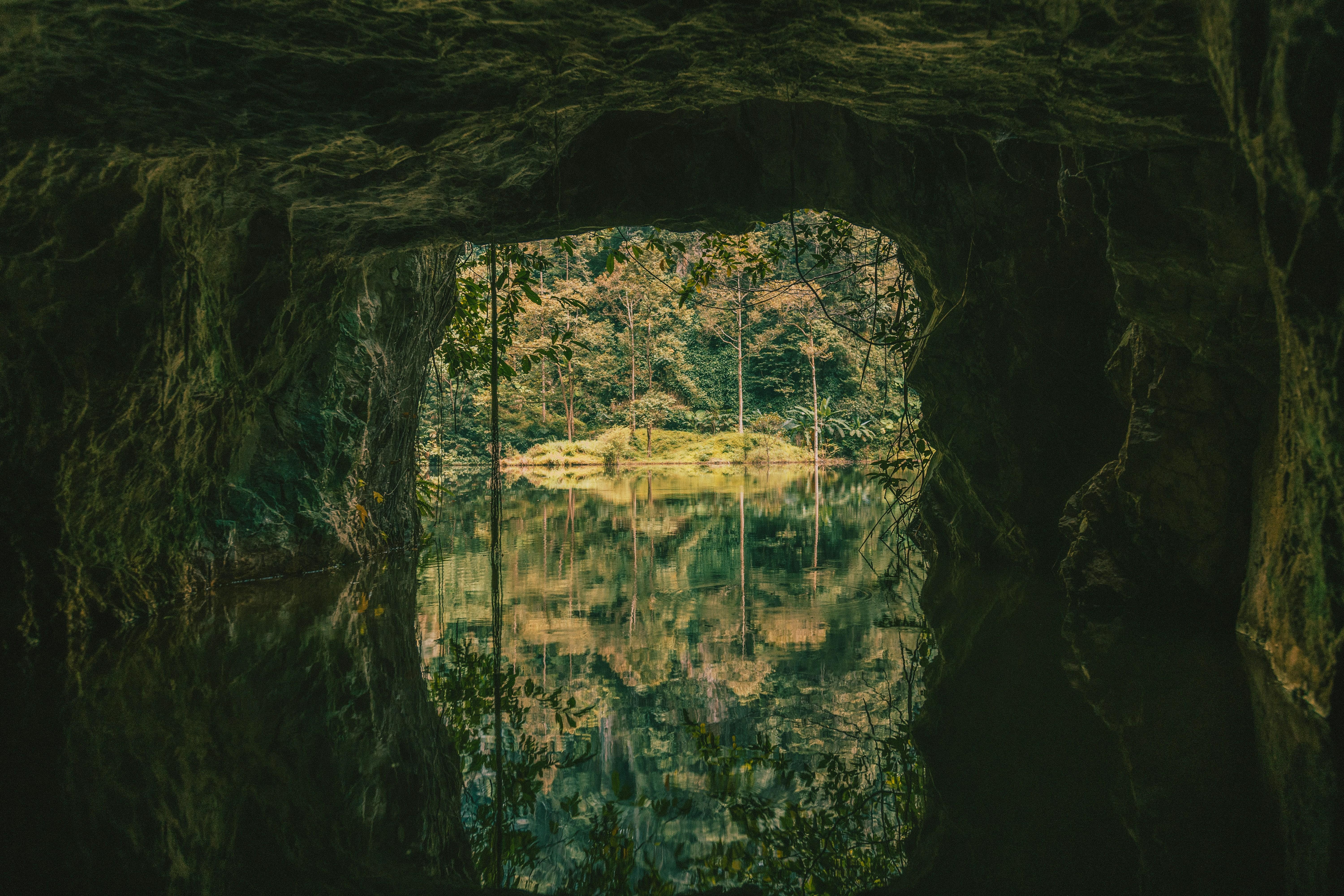
Out of town, Tasik Cermin turns especially photogenic after rainfall. Its still surface mirrors the limestone cliffs with startling clarity, while lingering mist adds a drama you rarely see on dry days.
Taman Negara: The Rainforest at Its Most Alive
Preview
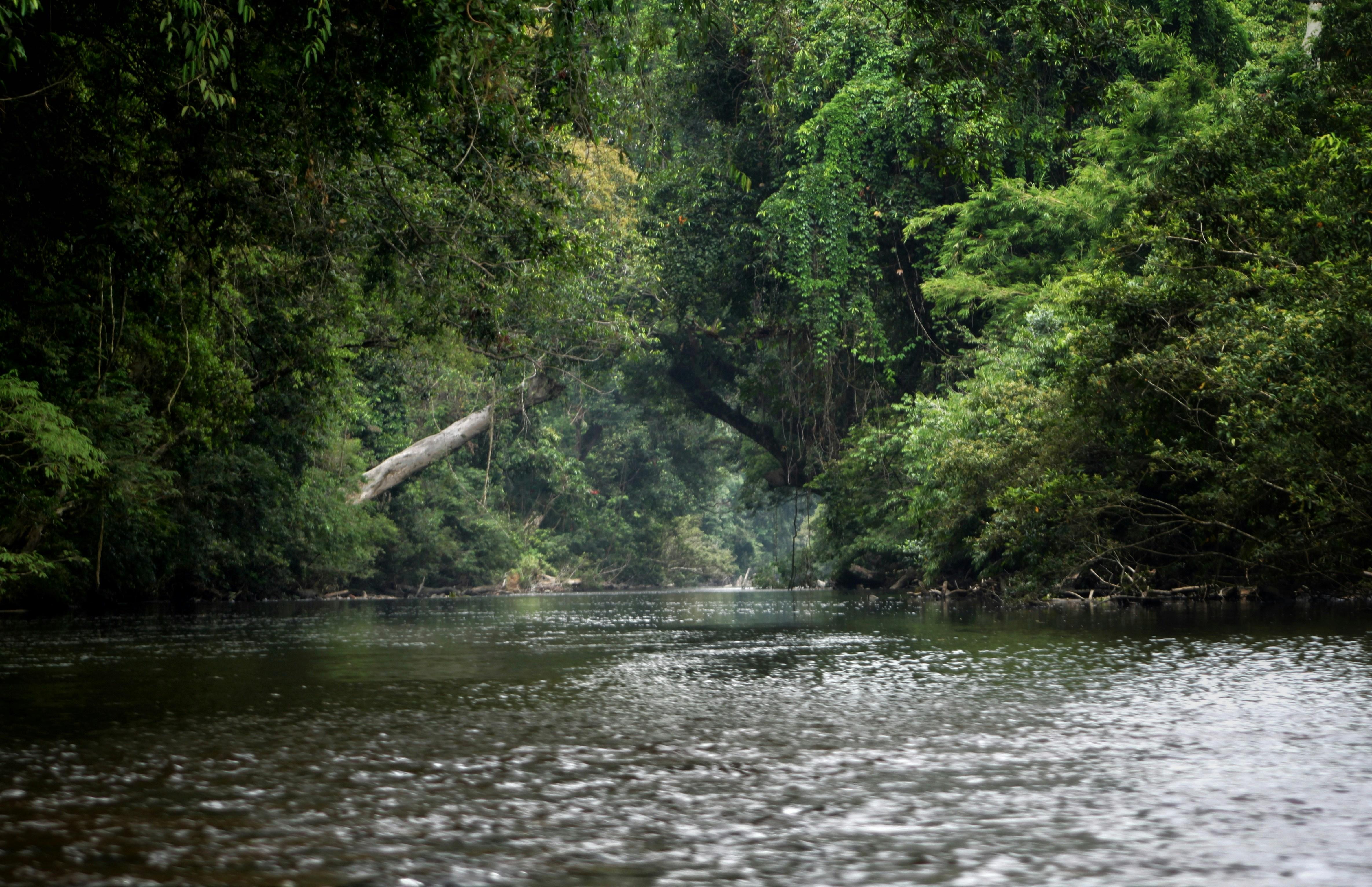
Rainforests are named for a reason, and Taman Negara proves it. Many visitors assume dry weather makes for the best jungle trip, but guides will tell you a light rain is when the forest wakes up. Frogs call from hidden pools, insects appear in astonishing numbers, and birds grow bolder.
Just after the rain, the forest breathes out an earthy scent from its plants, fungi and soil. Scientists call it petrichor, but smelling it in one of the world’s oldest rainforests beats any definition. Overhead, the canopy holds the moisture and softens the light, deepening every colour.
The river journeys are just as rewarding. Higher water opens up new routes, and waterfalls roar back to full strength, while guides simply adjust the plan to the conditions. Rain doesn’t cancel the adventure here. It gives you a different version.
Langkawi: Beyond the Perfect Beach Day
Preview
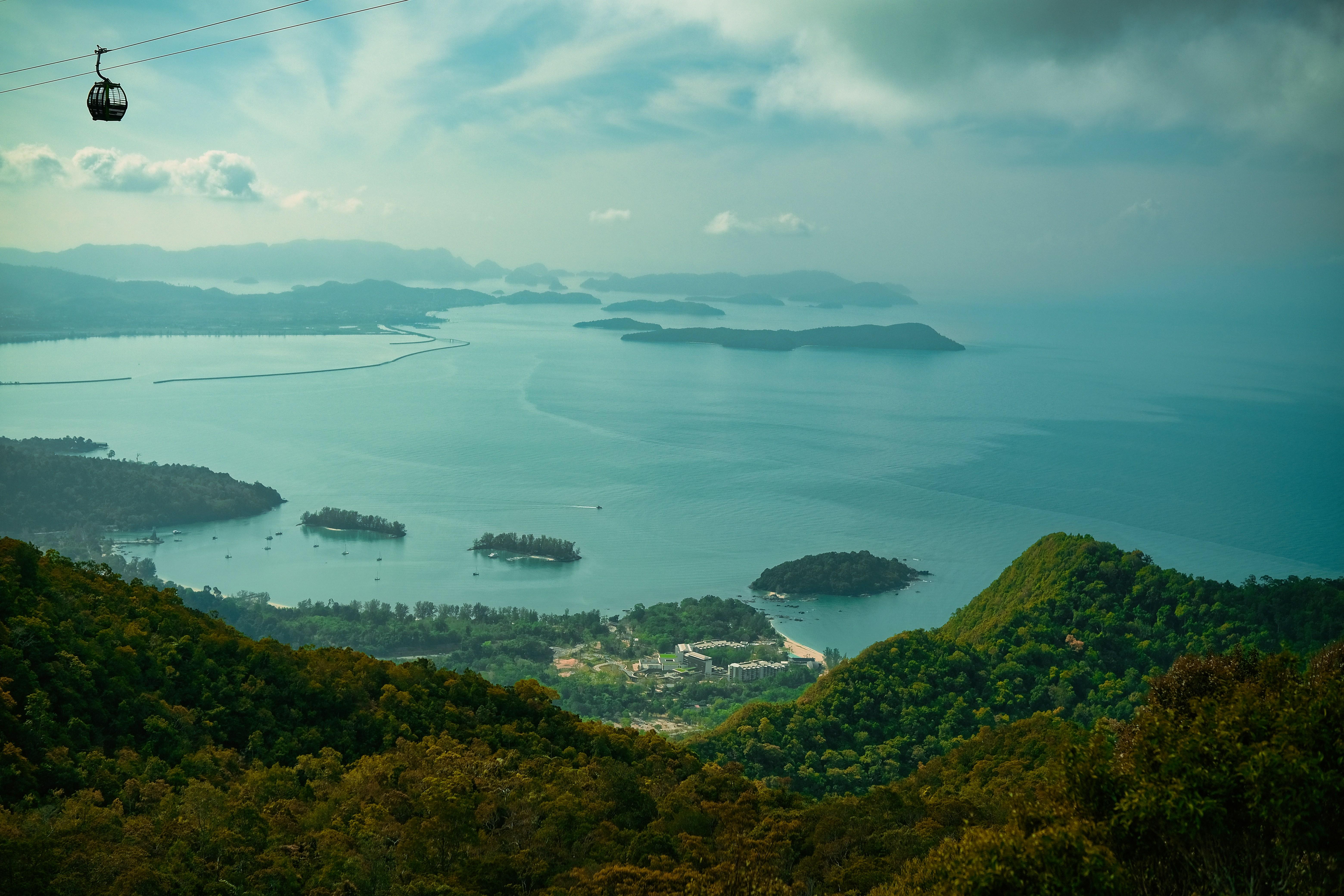
Beaches may be Langkawi’s calling card, but the island offers plenty when the clouds roll in. Waterfalls thunder with fresh power, the mangroves flourish, and the rainforest turns lush. Boat tours through Kilim Geoforest Park grow quieter too, leaving more room for peaceful wildlife encounters.
The island’s geology looks even better in the wet. Limestone cliffs rise through low cloud, caves echo with dripping water, and the wildlife carries on regardless. Eagles still circle above the mangrove channels, monitor lizards patrol the muddy banks, and kingfishers flash bright colour against rain-darkened leaves.
Rain is also a good excuse to explore what sunny itineraries often skip. Batik studios, artisan workshops, local museums and family-run cafés show a side of Langkawi that most beach holidays never reach.
Kuala Lumpur: Discovering the City's Indoor Treasures
Preview
Rainy days in Kuala Lumpur invite you to explore the city’s cultural side. Museums, galleries, heritage buildings, covered markets and cosy cafés fill up while the showers pass outside, and many travellers find these “backup plans” become the highlights of the trip.
The food tastes better in the rain, too. Steaming noodle soup, fragrant curries, fresh pastries and strong Malaysian coffee are made for watching downpours sweep across busy streets. Locals know to linger over a meal, letting the weather slow the afternoon down.
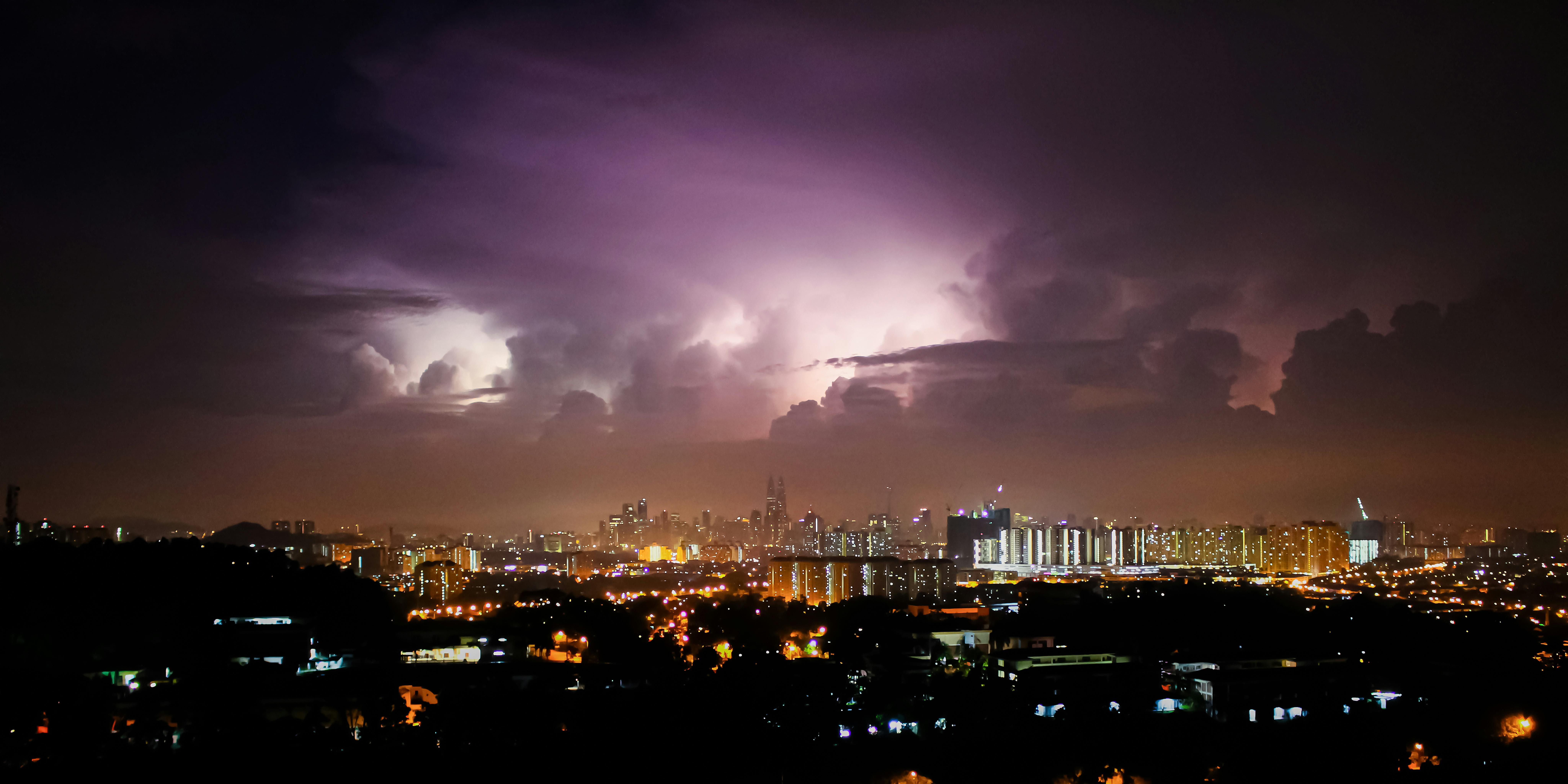
Even the landmarks look different under moody skies. Wet pavements shimmer, city lights glow brighter after dark, and passing clouds keep redrawing the skyline. Photographers often walk away with far better shots than a cloudless day would.
Why Wildlife Loves the Rain
Preview
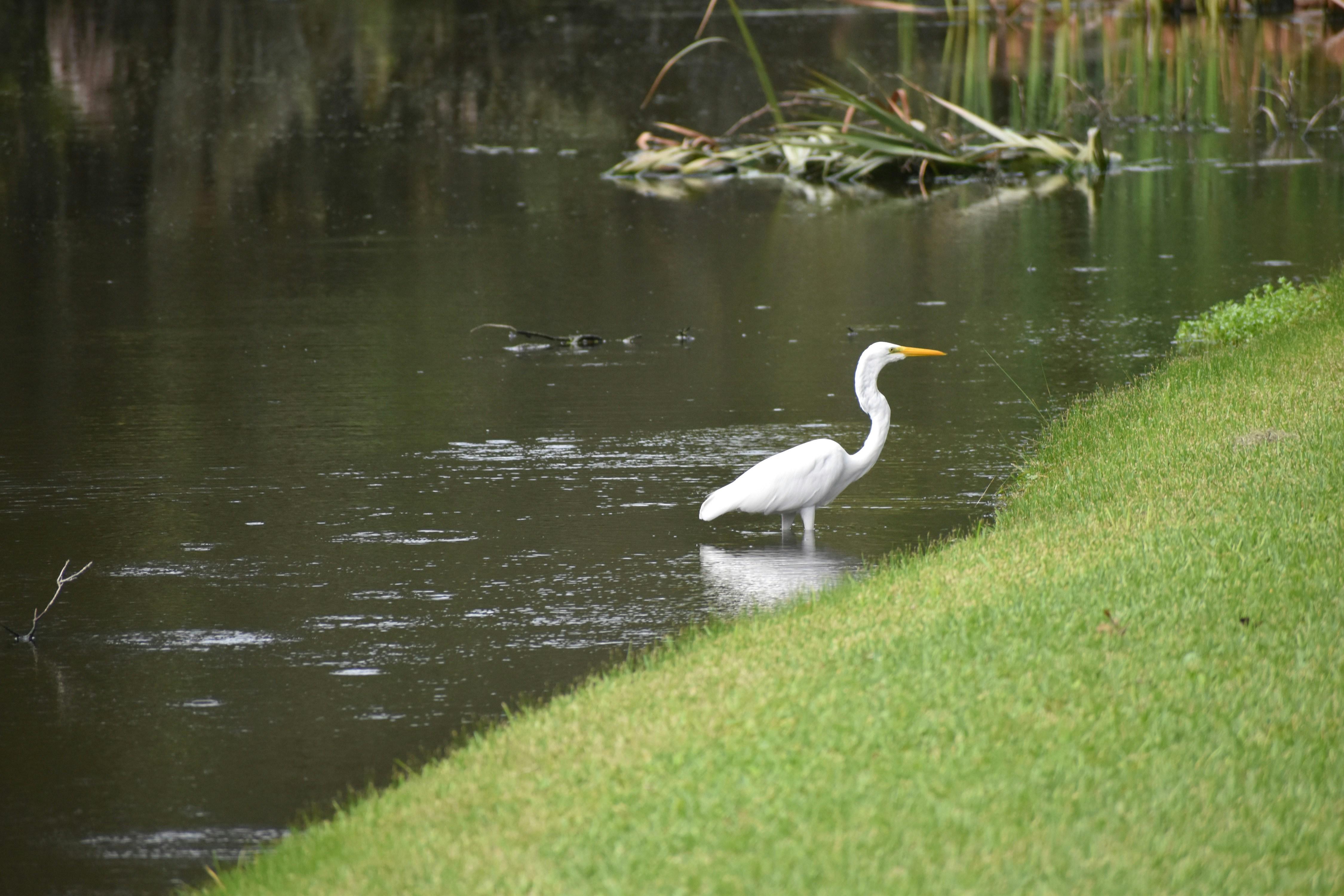
Nature lovers often get the most from the wetter months, because wildlife responds to the rain. Frogs emerge to breed, insects multiply, birds feast on the new abundance, and mammals shift their habits in the cooler air. After a good downpour, Malaysia’s national parks burst with life in ways the dry months rarely match.
Butterflies crowd around mineral-rich puddles, giant mushrooms appear almost overnight, and forest streams fill with countless small creatures. Seasoned naturalists often call the rainy season the most exciting time for biodiversity because the ecosystem runs at full capacity. To them, rain isn’t a limit on wildlife viewing. It’s the spark.
That bond between rain and life is why such a small country holds so many species. The seasonal rains keep habitats thriving and productive for millions of years.
The Joy of Slower Travel
Preview
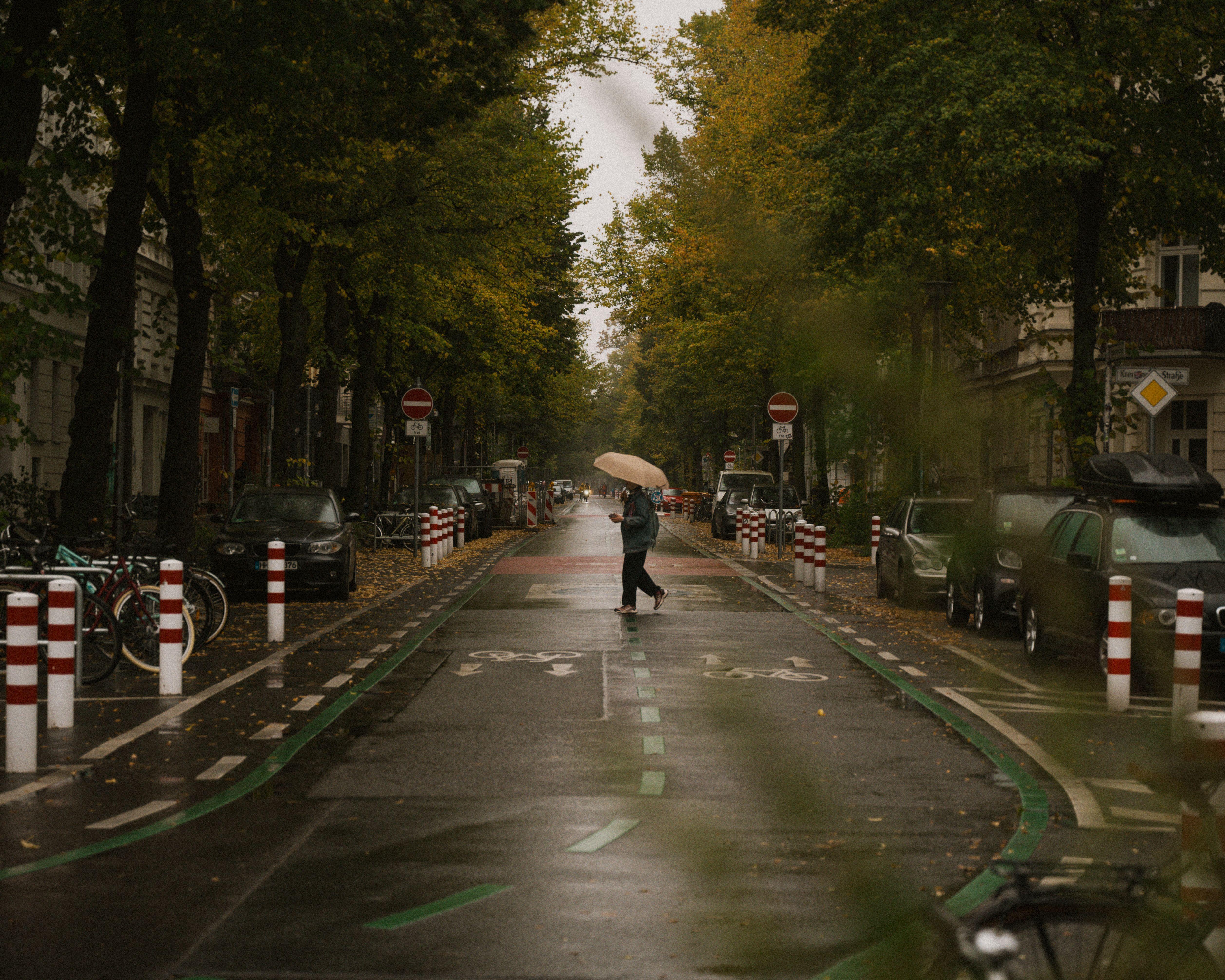
Rain changes the way you travel. Instead of racing between sights, you linger in museums, cafés, bookshops and markets, and you end up talking to the people who live there. Sheltering under a market awning with the fruit vendors often teaches you more about a place than another rushed stop ever could.
Boutique hotels and heritage guesthouses come into their own on wet days. Reading by a big window, listening to rain across the garden or sipping afternoon tea as mist settles outside brings a calm that busy itineraries rarely allow. These slow moments tend to become the memories you treasure most. Perhaps that is the real gift of travelling in the rain. A holiday doesn’t need perfect weather to be perfect.
Final Thoughts: Finding Beauty Between the Raindrops
Preview
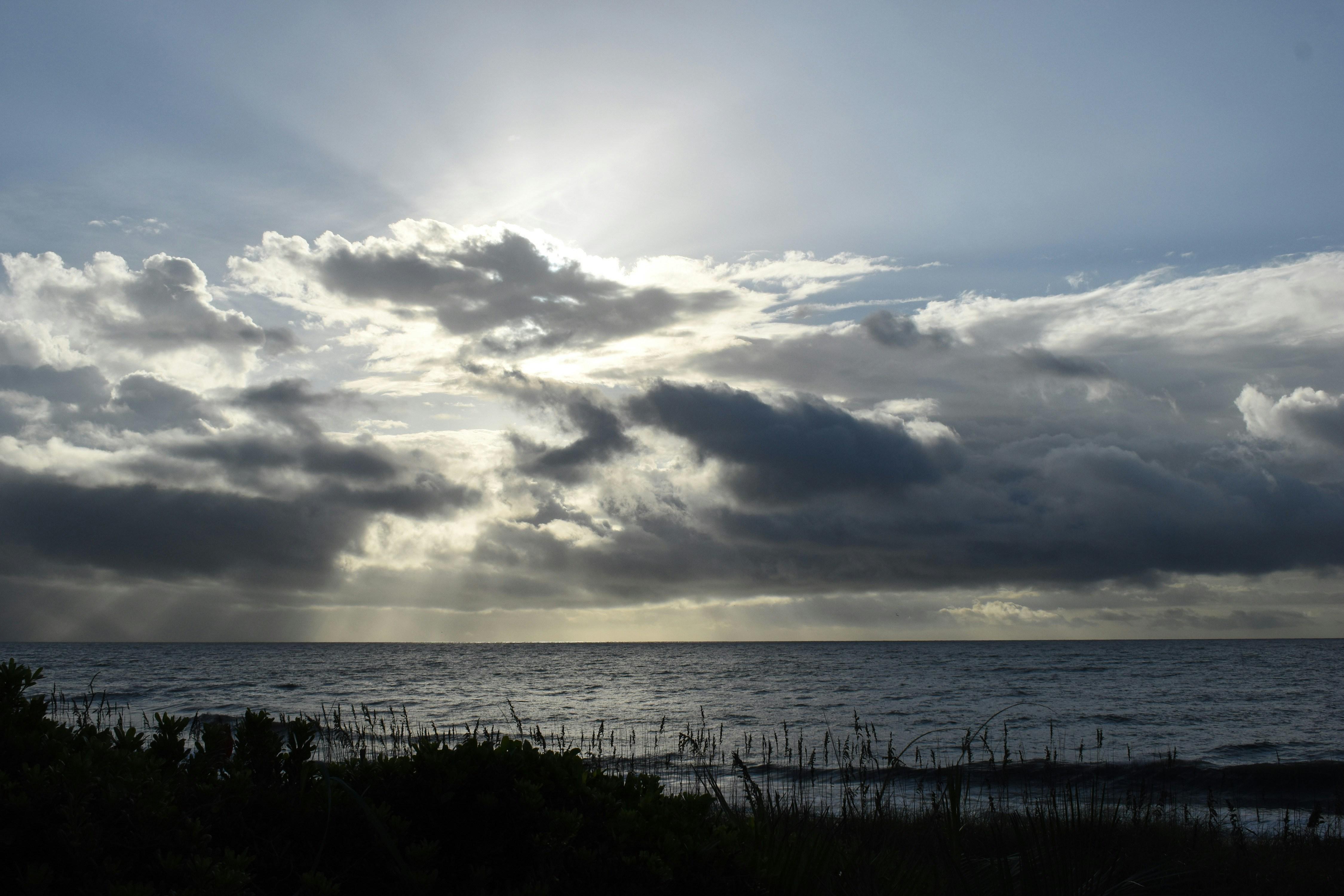
Rain has always been part of Malaysia’s story. It feeds the ancient forests, fills the rivers and shapes the land, and travelling in the monsoon lets you see that bond up close. Everything feels greener, quieter and a little more intimate than it does in peak season.
From the misty tea hills of Cameron Highlands and Ipoh’s heritage cafés to the ancient rainforest of Taman Negara, Langkawi’s waterfalls and the cultural pulse of Kuala Lumpur, the rainy season shows a side of Malaysia most visitors never expect. Embracing the monsoon may be one of the smartest travel choices you make. Plan your next escape with LAGO Travel and discover why some of Malaysia’s most magical moments begin only once the rain does.