



October Escapes: Best Places in Malaysia for Shoulder Season Travel
Why October Might Be Malaysia's Best-Kept Travel Secret
Every year, the crowds follow the same map. Families book around school holidays, hotels raise their rates for the festive weeks, and once quiet destinations start to feel like city centres. But seasoned travellers keep a small secret. The best journeys tend to happen in the shoulder season, when a place finally exhales, and locals have time to talk. In much of Malaysia, October is that moment. It falls in the inter-monsoon period, when the country shifts between its two monsoon patterns. Skies are often gentle, rooms are easy to find, and the east coast islands are still enjoying their last calm weeks before the sea turns rough and ferries stop for the season. With Visit Malaysia 2026 inviting travellers to look beyond the obvious, October may be the smartest month to arrive.
Travel in the shoulder season, and you begin to notice things. A café owner pulls up a chair instead of rushing between tables. A hotel receptionist, no longer buried in check-ins, mentions a viewpoint she loves, a small restaurant her uncle's neighbour runs, or a winding road that never made it onto a travel website. Photographers quietly love October too, because dawn often arrives with soft golden light and towering clouds over empty landscapes. Slow down, and the trip stops being a checklist. It becomes a story you actually remember.
Every corner of Malaysia tells a different version of it this month. In the Cameron Highlands, where the tea slopes have been growing since the 1920s, mornings are cool and misty enough to call for a light jacket. George Town and Malacca, both UNESCO World Heritage cities since 2008, are far easier to wander on foot once the tour groups thin out. The rainforests turn a deeper green after afternoon showers, and local festivals carry on among neighbours, not crowds. So instead of asking where everyone else is going, ask where Malaysia feels most like itself. The answer is usually in the places that reveal themselves only when the pace slows down.
Cameron Highlands: Misty Mornings and Tea Gardens Without the Rush
Preview
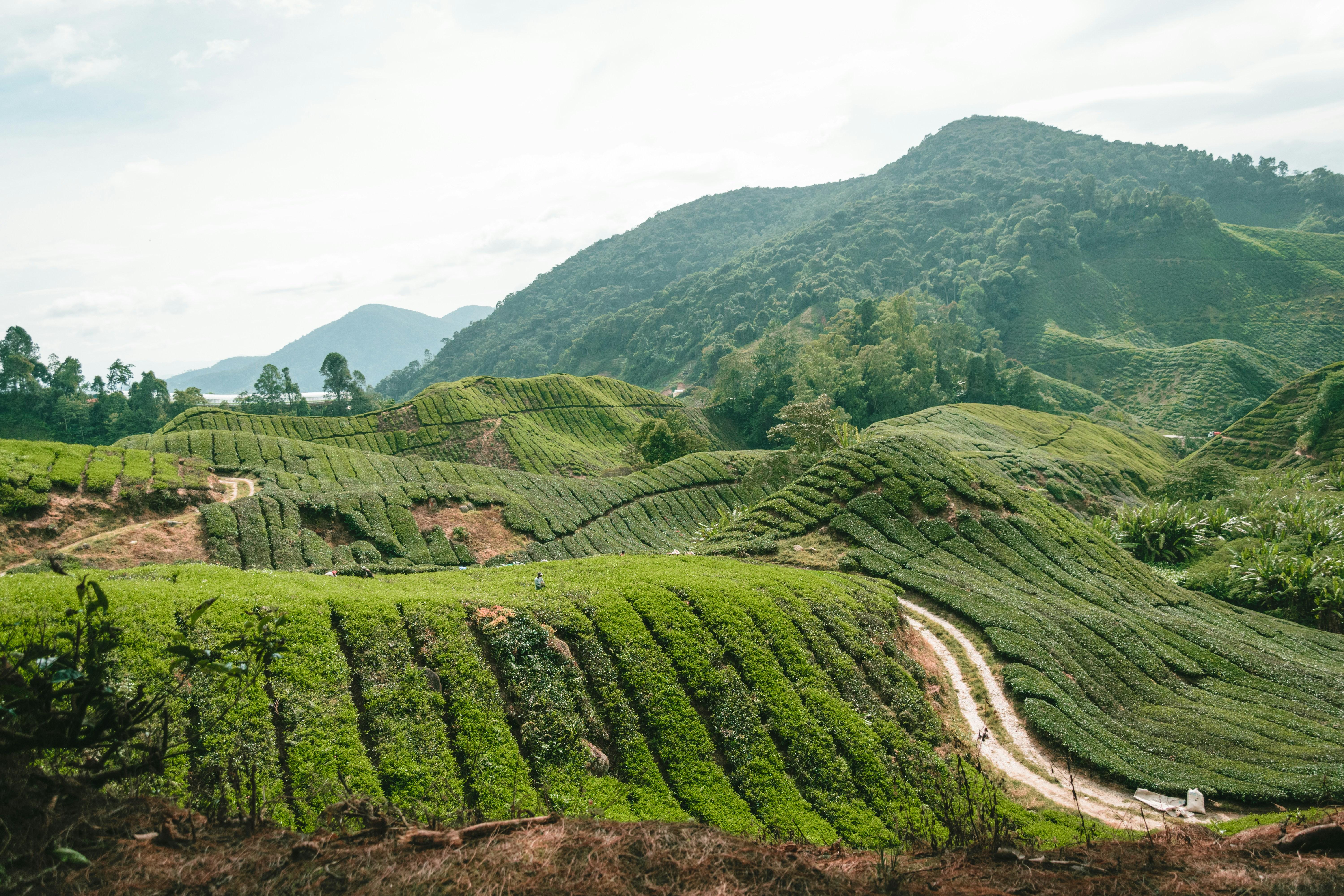
Few places show off the shoulder season as well as the Cameron Highlands. Weekends and holidays can get lively, but on an October weekday the region's most famous retreat often reveals a calmer side of itself. Mist drifts slowly over the rolling tea slopes, the air stays pleasantly cool, and viewpoints turn into places to linger rather than snap a quick photo and leave. The tea here dates back to the 1920s, when a British surveyor named William Cameron first mapped the plateau, and on a quiet morning you can still catch the scent of freshly picked leaves and hear farmers talking softly as they work the hillside.
Most visitors stop at the big tea estates, but far fewer wander into the small family farms tucked along the winding roads. Their strawberries, herbs, flowers and vegetables grow in a climate so cool that it feels almost impossible in tropical Southeast Asia, using methods handed down through generations. Many owners are happy to welcome curious visitors and explain their craft. October is a good time to go, because the harvest is still in full swing, so you see real daily farm life instead of a polished demonstration.
Then there is the side of the highlands that few people expect. Beyond the plantations lies a cloud forest, where moss-draped trees, carnivorous pitcher plants and rare orchids thrive in the constant damp. Some of the pitcher plants here are large enough to trap more than insects, and a guided walk through this mossy world feels ancient and strangely untouched, despite the region's fame. In the shoulder season, the trails are quieter, wildlife is easier to spot, and the whole forest feels like a film set you have all to yourself.
Ipoh: Malaysia's Quiet Food Capital
Preview
Penang usually gets the credit when Malaysian food comes up, but Ipoh has been quietly winning over travellers who prefer the real thing to the hype. The city takes its name from the ipoh tree, whose poisonous sap was once used on hunting darts, a fitting start for a place with a few surprises up its sleeve. October is the kindest time to meet it, when cafés, heritage streets and limestone attractions empty out after the holiday weekends. Spend an afternoon drifting between restored colonial buildings, tucked-away alleys, small coffee roasters and independent bookstores, and nobody will hurry you along.
Ipoh was built on tin. At the height of the boom, the Kinta Valley sat on one of the richest tin fields on earth, and the fortunes made here paid for the grand shophouses and mansions that still line the old town. Today those buildings shelter boutique hotels, galleries, bakeries and cafés where history and creativity share the same walls. Look closely, and you can still spot the original timber beams, cast iron columns and carved details that survived decades of renovation, hidden in plain sight behind modern interiors.
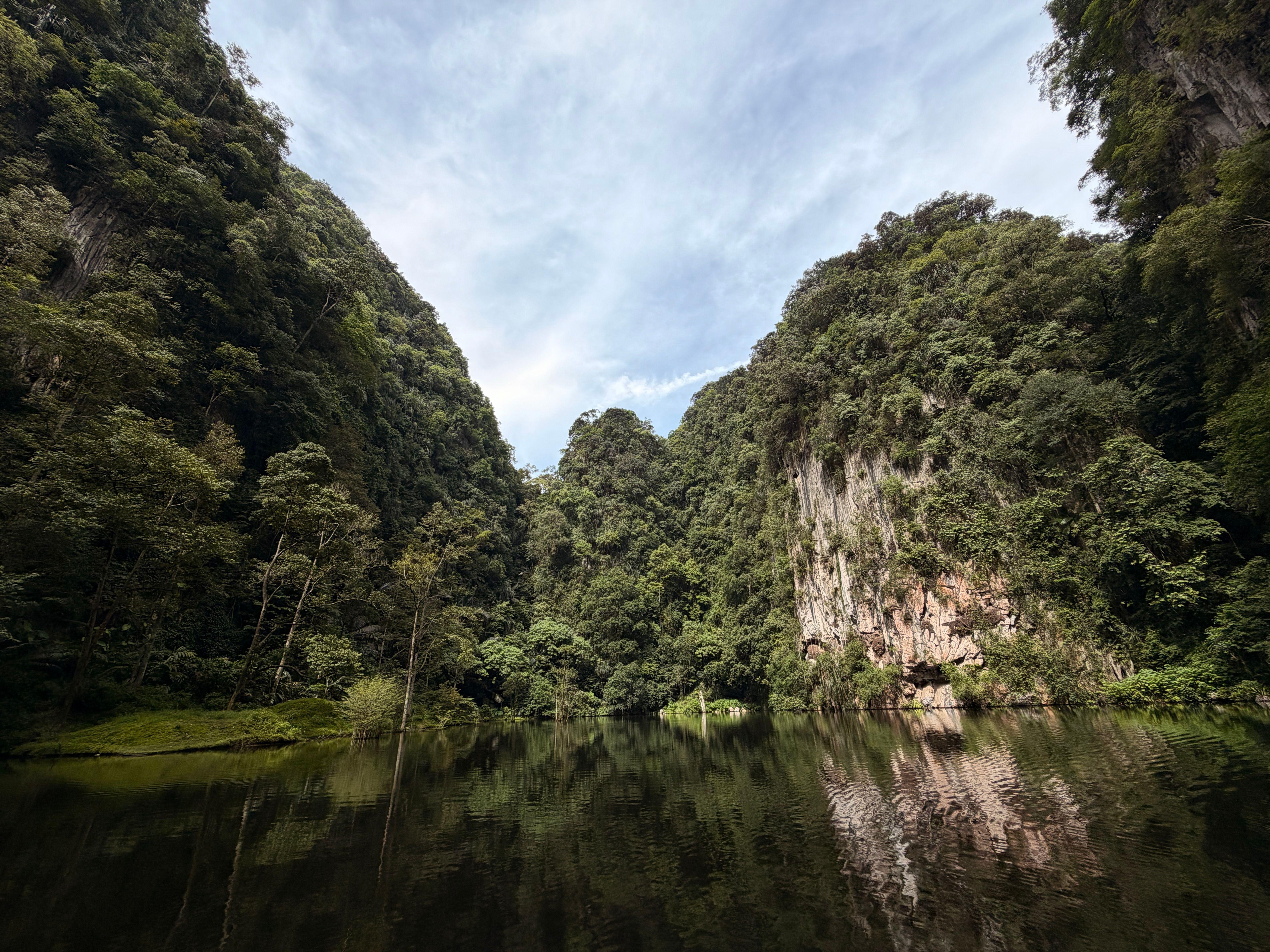
Beyond the centre, limestone hills rise around the city like giant sculptures, hiding cave temples, quiet lakes and old quarries that have filled with emerald water. Tasik Cermin, known as Mirror Lake, is the one that surprises people most. You reach it through a narrow tunnel cut into the rock, and step out into a hidden basin ringed by cliffs, its still water holding a perfect copy of the stone above. On a calm October morning, that reflection is at its most spectacular.
Langkawi Beyond the Beaches
Preview
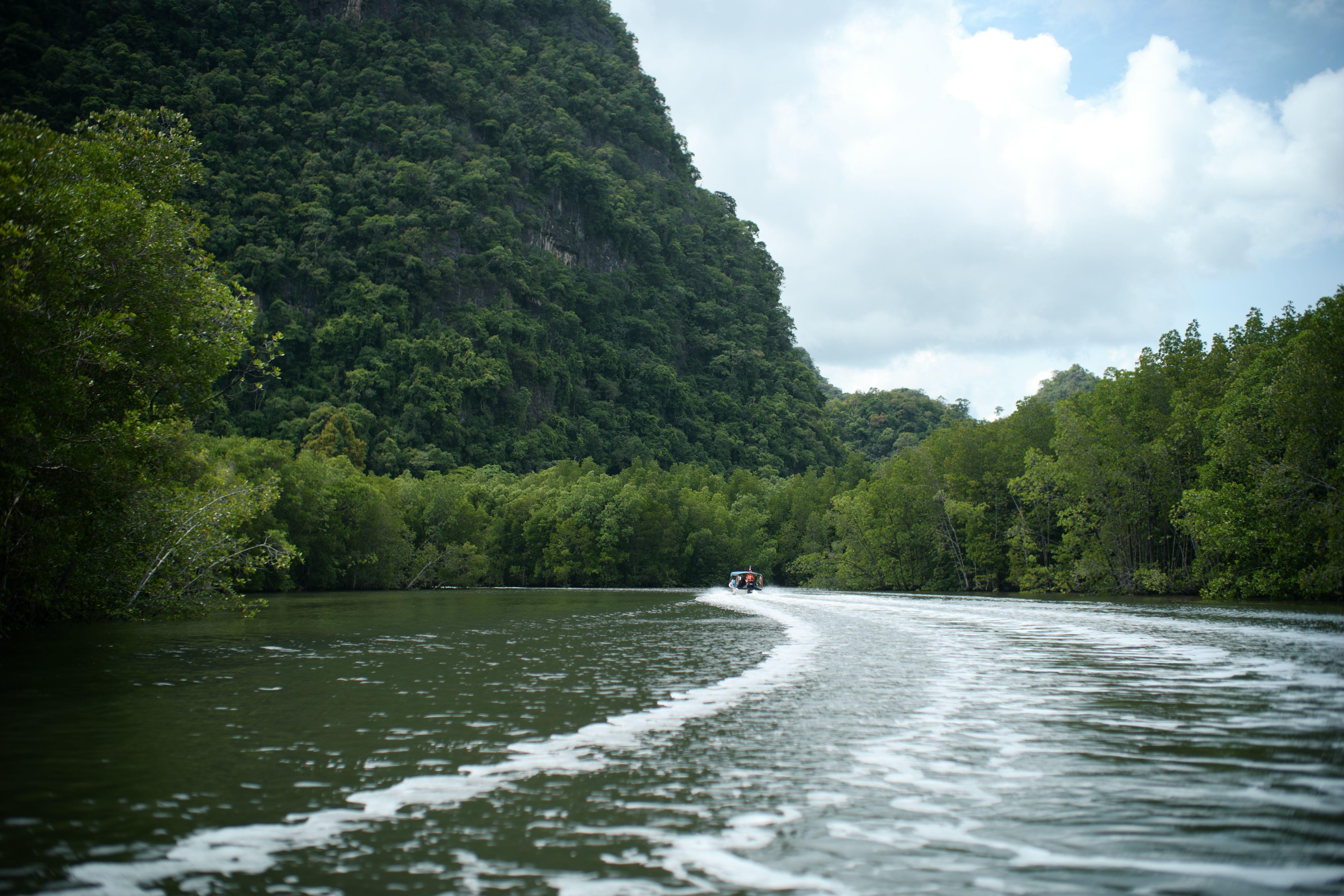
Most people picture Langkawi as a beach holiday, but come in October, and the island shows you another face. The rainforest turns vividly green after the seasonal rain, waterfalls find their strength again, and the mangroves fill with wildlife. With fewer visitors around than in the busiest months, boat tours through Kilim Geoforest Park feel calmer and far more personal, just you, the water and the sound of the paddles.
Langkawi is a UNESCO Global Geopark, a title many travellers see on a brochure without ever really grasping. It means the island is a living record of the earth itself, with ancient limestone formations, fossil sites, caves and mangrove ecosystems that together trace a story over 500 million years long. On a guided eco tour, that story comes alive as your guide points out eagles circling overhead, mudskippers hopping across the mudflats, monitor lizards slipping along the banks and birds calling from the trees.
October is also the season to slip away from resort life and meet the island's makers. Step into a batik workshop, browse a craft centre or settle into a family-owned café, and you begin to see Langkawi through local eyes. The people behind the counters love to share how their techniques were learned and how island life really unfolds, tales that never reach travellers who only look toward the beach.
Muar: Malaysia's Most Underrated Weekend Town
Preview
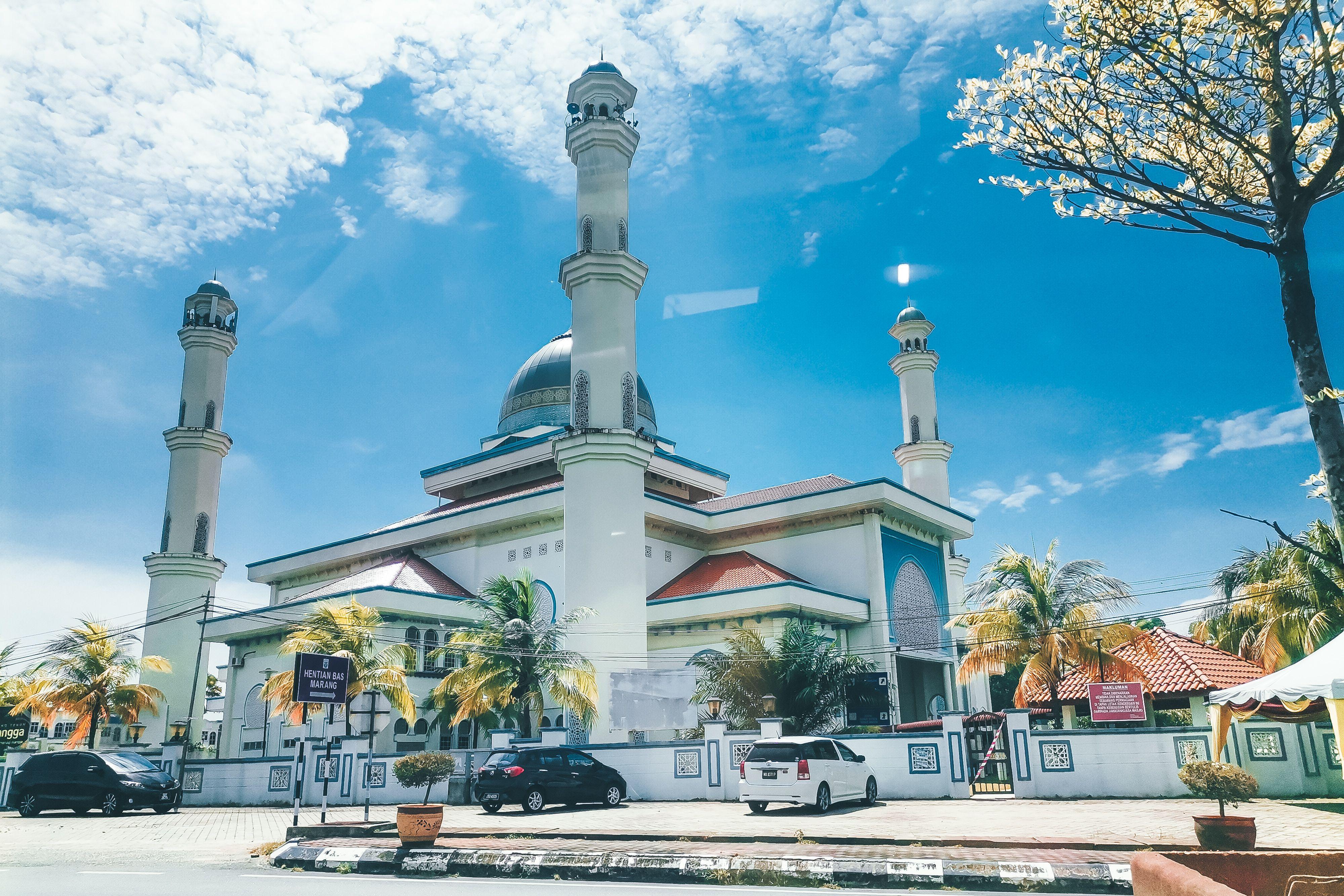
Tucked away in Johor, Muar rarely makes it onto international itineraries, yet it keeps surprising the travellers who venture beyond the bigger cities. Riverside charm, wonderful food, lively street art and beautifully kept heritage buildings come together here in a way that feels genuine rather than staged for tourists. In October, the town settles into a gentler rhythm, and as the evenings cool, locals and visitors drift down to the waterfront to stroll, chat and watch the river slide by.
Over the past few years, Muar's café scene has grown quietly, never losing its local soul. Family-run bakeries, old-school kopitiams and modern coffee houses sit side by side like old neighbours, each one a small sign of a town that honours its past while welcoming what comes next. Pull up a seat, and you will find shelves and counters filled with homemade snacks and traditional pastries, the kind of treats you rarely see in supermarkets elsewhere.
Wander a little further, and the walls begin to speak. The murals scattered across town are not just backdrops for a quick photo. They tell of everyday community life, of trades passed down through families and of many cultures living side by side. Stop and look properly, and Muar stops being a place you pass through and becomes one you remember.
George Town: A Heritage City at Its Most Relaxed
Preview
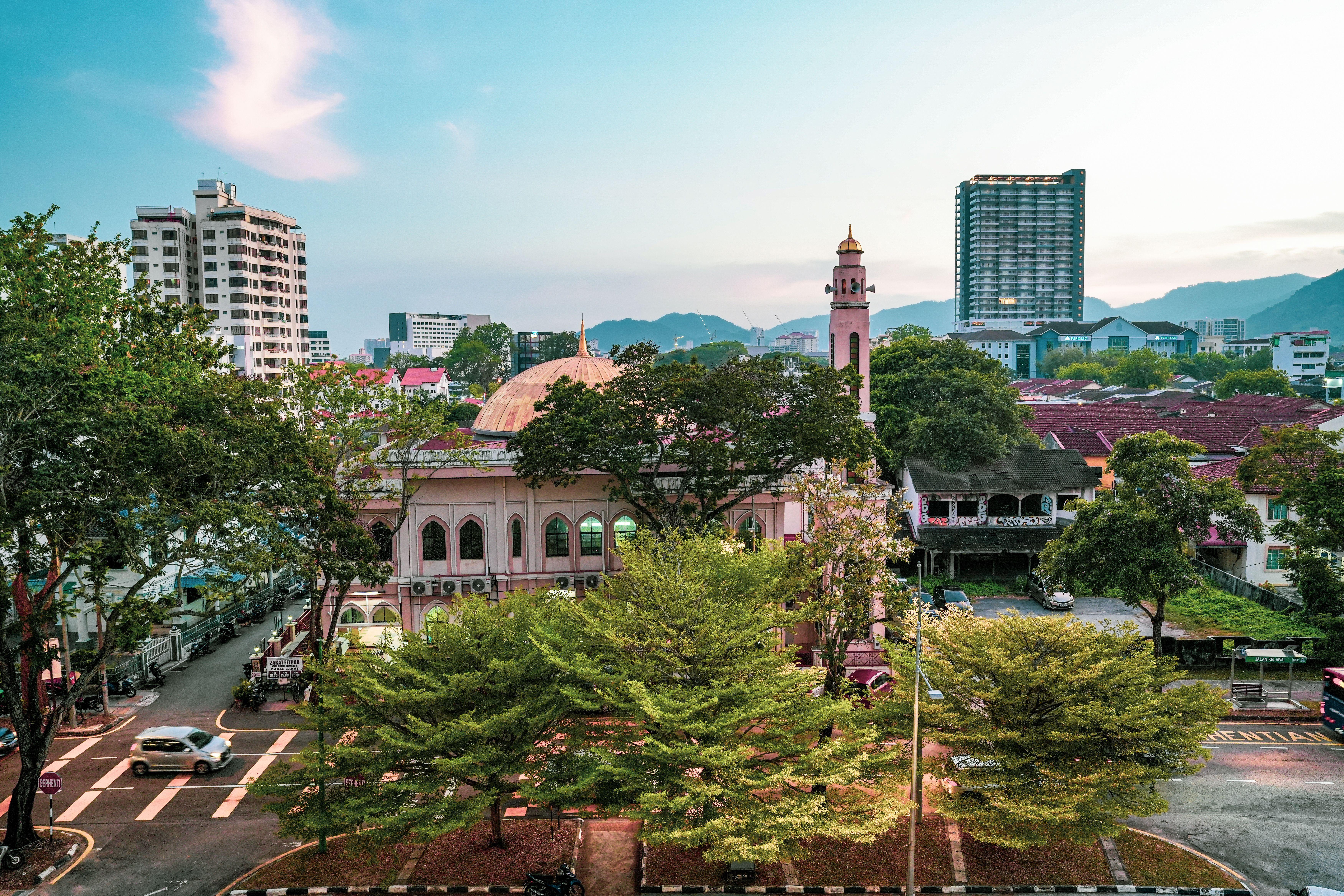
October lets George Town breathe. The heritage streets are easier to explore, cafés have a free table waiting, and you can admire the architecture without elbowing through crowds. Stroll along Armenian Street, Love Lane and the streets around them, and you start to catch the details that busier months hide: patterned tiles underfoot, carved wooden shutters and quiet courtyards tucked behind colourful facades.
Step past the famous murals and you find a network of old workshops, where craftsmen still mend rattan chairs, carve wooden signs and bring antique clocks back to life, using skills passed down through generations. They rarely advertise, but stop for a moment to watch, and you are often greeted with a smile and a story.
George Town is at its best after dark too. As the air cools, the neighbourhoods hum with life without ever feeling overwhelming. Hawker centres fill with local families, and you find yourself sharing the evening with them, in a place that feels like it is welcoming you in rather than performing for tourists.
Final Thoughts: Travel Malaysia Before Everyone Else Does
Preview
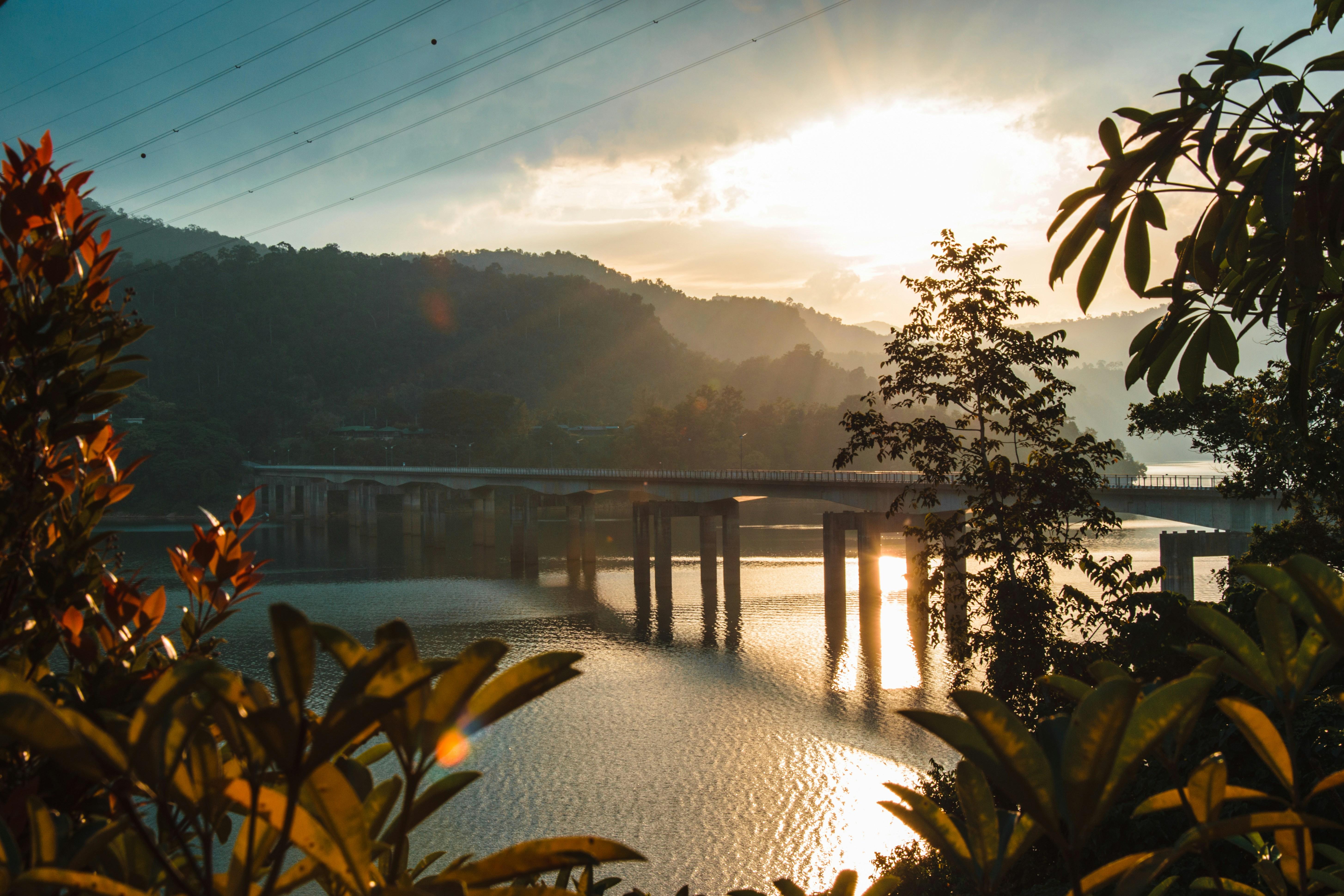
October is a reminder that the best journeys do not always happen in the busiest months. Sometimes the trips we remember most are the ones where a place feels relaxed, conversations run a little longer, and there is finally room to notice the small things that make it special. Think of the misty tea slopes of Cameron Highlands, the heritage streets of Ipoh, the riverside calm of Muar and the wild landscapes of Langkawi. Across Malaysia, each of them becomes even more rewarding in the shoulder season.
With Visit Malaysia 2026 inviting travellers to look beyond the familiar, October stands out as one of the year's most underrated months to go. Malaysia shows its quieter side without losing any of its colour, flavour or warmth. If your idea of a perfect holiday is meaningful encounters, beautiful scenery, authentic local moments and the freedom to travel at your own pace, October may just become your favourite month to explore this remarkable country.
Plan your next shoulder season escape with us, and discover thoughtfully curated journeys across Malaysia at LAGO TRAVEL, where every itinerary is designed to help you experience the country beyond the ordinary.