


Eco-Luxury in Malaysia: Sustainable Stays for Conscious Travellers
Luxury Isn't About Having More Anymore. It's About Leaving Less Behind.
Preview
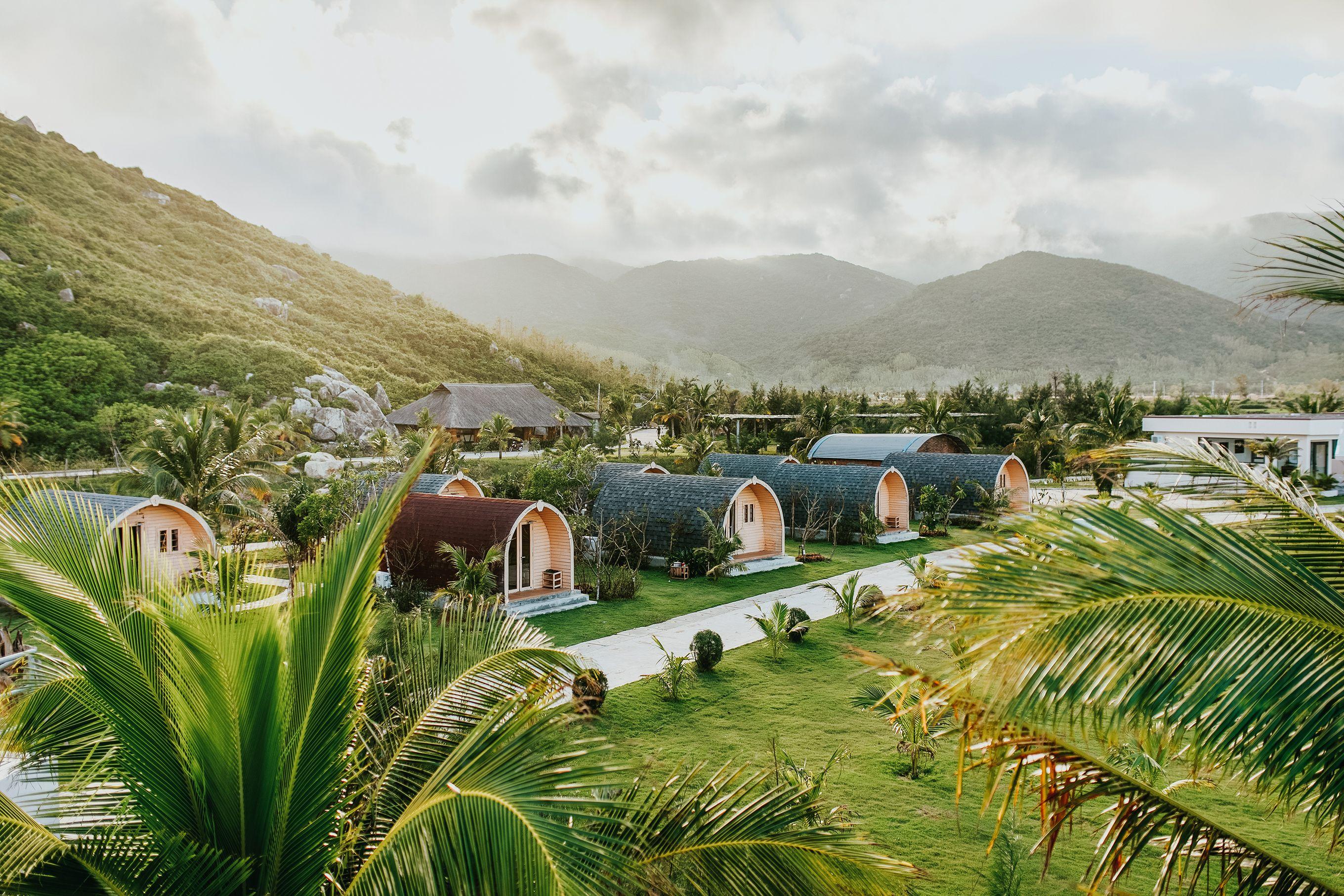
Luxury was once measured by the size of an infinity pool, the thread count of the sheets and the number of restaurants under one roof. Today, travellers ask different questions before they book. How much of the rainforest was kept intact? Where does the kitchen source its food? Does the hotel support the village next door? Can my stay help protect the place I came to see? Out of these questions, a new kind of travel has grown, one where comfort and responsibility share the same room.
Malaysia has become one of Southeast Asia’s most compelling places to experience it. Its rainforests are older than the Amazon, its seas teem with life, and its limestone cliffs, cool highlands and living indigenous cultures give the country a richness few destinations can match. Boutique eco lodges, rainforest retreats, heritage properties and island resorts are proving that protecting nature deepens a stay rather than limiting it. Guests wake to birdsong instead of traffic, eat produce from nearby farms and learn about wildlife from naturalists who clearly love their work.
Eco luxury is now one of the country’s defining travel trends, as visitors look for journeys that leave lasting memories without leaving a mark. Here, sustainability is far more than a marketing phrase. It is built into the architecture, the conservation projects, the community partnerships and the food on your plate.
What Eco Luxury Really Means
Preview
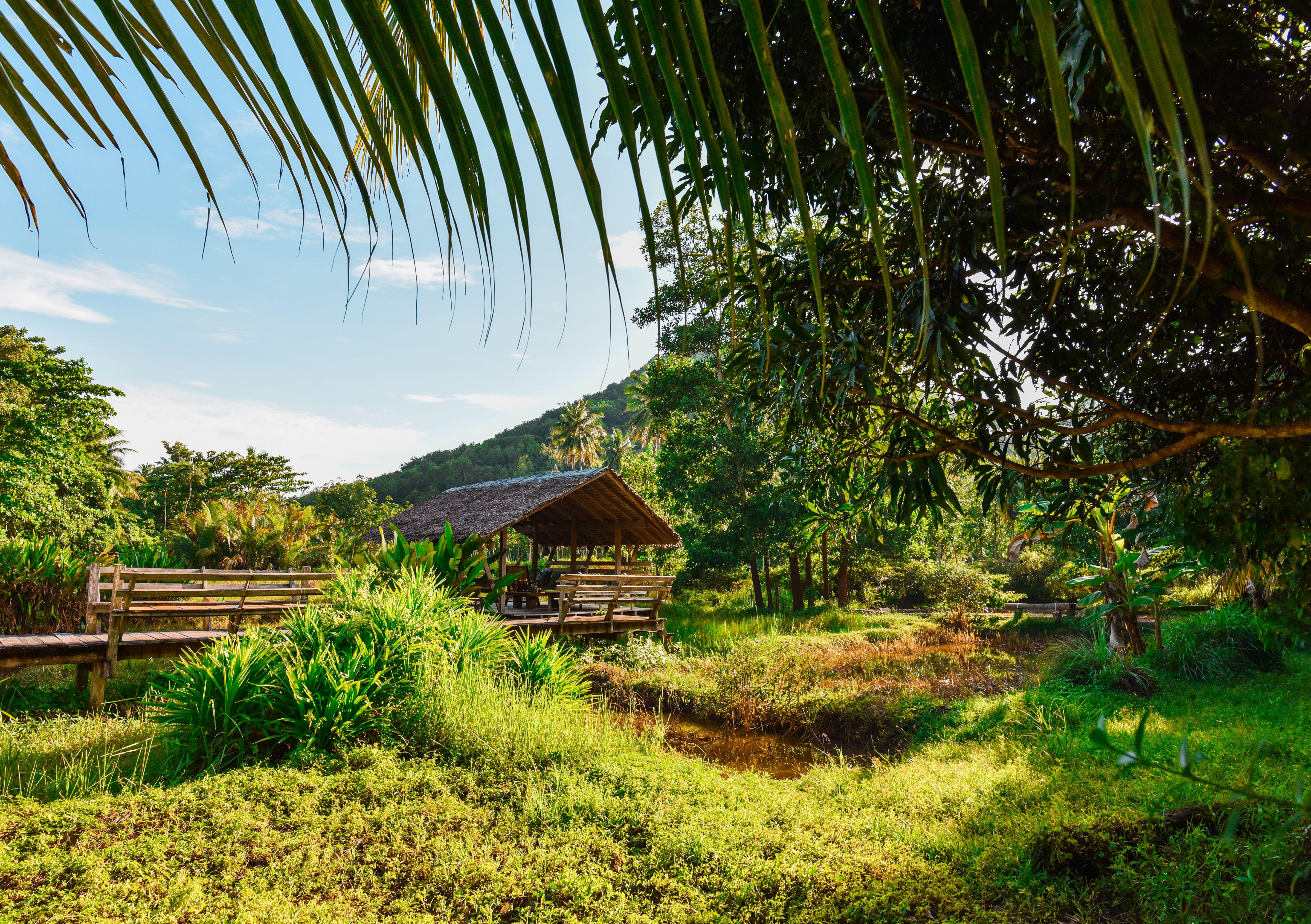
Many travellers assume sustainable stays mean giving up comfort, but the opposite is closer to the truth. Eco luxury is about thoughtful design, not excess. Buildings are placed to catch natural breezes instead of leaning on air conditioning, local materials give each space a true sense of place, and restaurants serve seasonal produce from nearby farms and fisheries rather than ingredients flown in from thousands of kilometres away.
The best eco properties also know that sustainability is about people as much as nature. They hire local staff, buy from neighbouring farmers, keep traditional crafts alive and work alongside indigenous communities. Guests become part of a cycle where tourism helps preserve local identity rather than replace it.
In Malaysia, this matters even more. The country holds some of the oldest tropical rainforests on Earth, along with endemic species, fragile coral reefs, mangroves and mountain ecosystems found nowhere else. Choosing a responsible stay helps protect them for future generations while letting you experience them in a meaningful way.
The Datai Langkawi: Where Conservation Defines Luxury
Preview
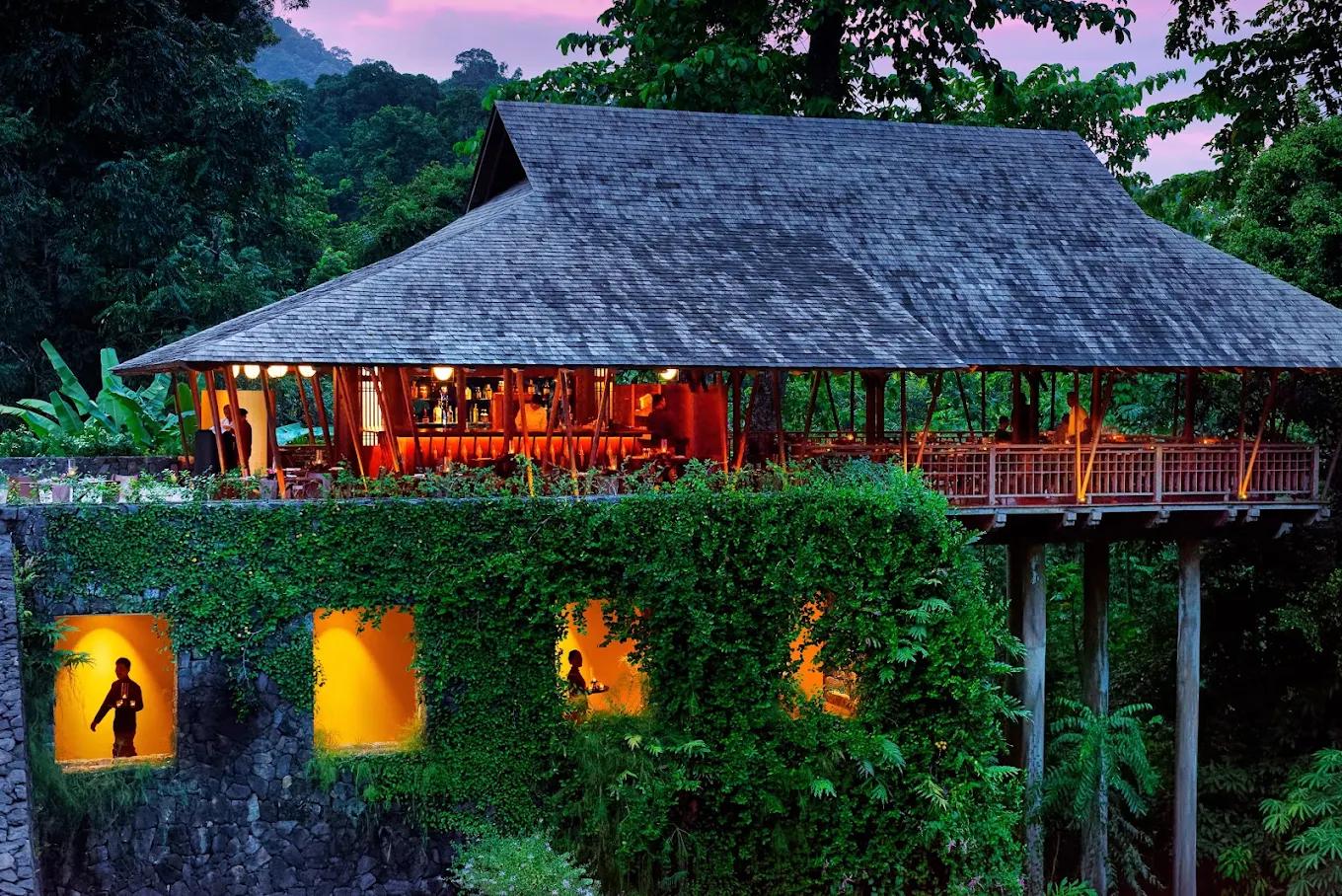
Few places showcase eco-luxury as well as The Datai Langkawi. Tucked inside a rainforest believed to be more than ten million years old, the resort is recognised worldwide because conservation sits at the heart of the stay. The forest is not treated as scenery. It is protected through biodiversity research, wildlife monitoring, educational programmes and habitat restoration.
Here, luxury begins with the landscape. Towering dipterocarp trees surround the villas, hornbills glide overhead, dusky leaf monkeys move through the canopy, and resident naturalists lead walks through medicinal plants, native wildlife and geological history that most resort holidays never touch. Every tree, stream and bird, they explain, is part of an ecosystem that has endured for millions of years.
Guests can also take part in The Datai Pledge, a long-term programme supporting marine conservation, waste reduction, education and wildlife protection across Langkawi. Joining a conservation activity or learning about ongoing research means relaxation and environmental awareness become one experience, not two.
The Shorea: Architecture That Disappears Into the Forest
Preview
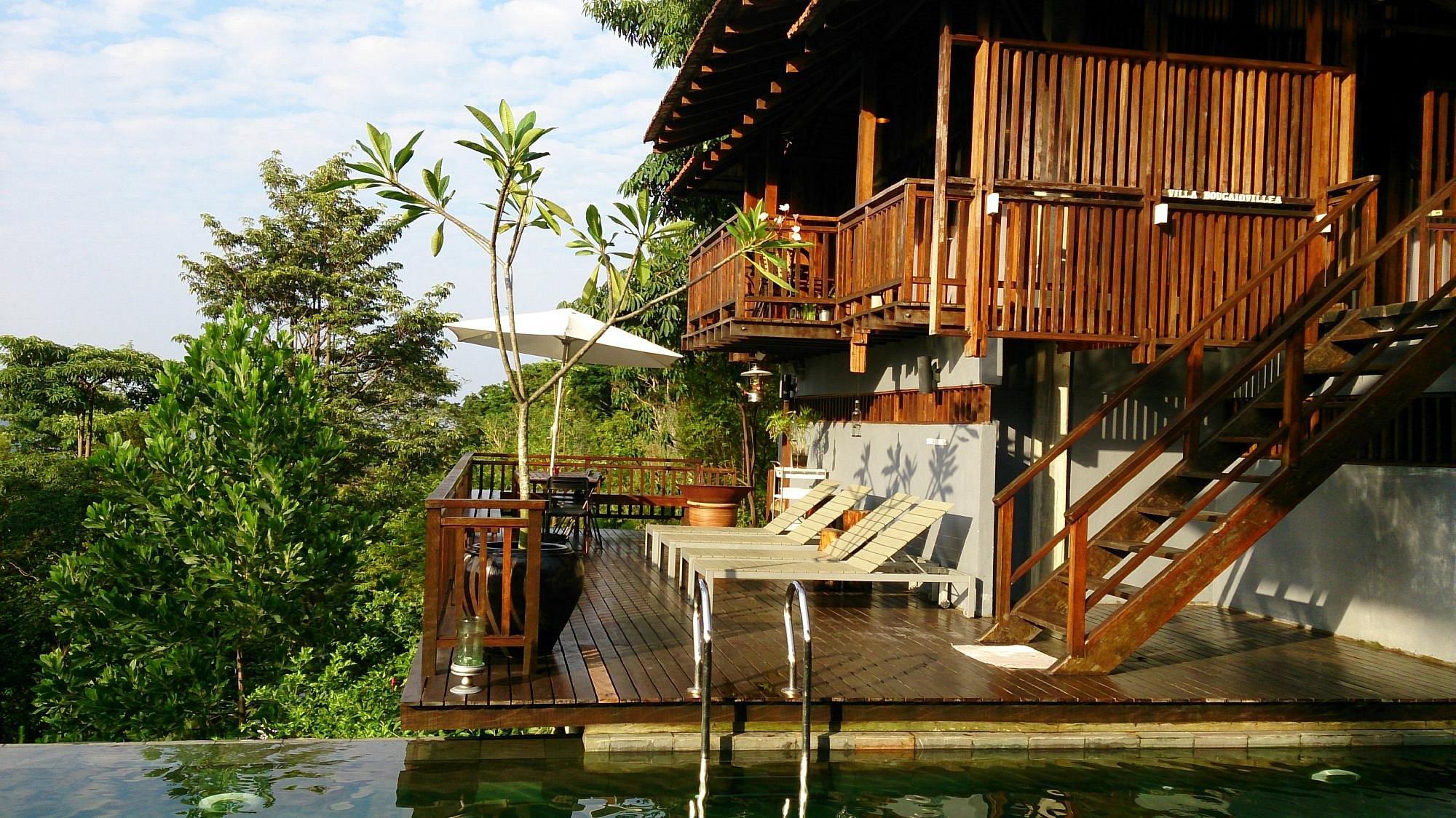
Tucked beside the Berembun Forest Reserve in Negeri Sembilan, The Shorea shows how architecture can almost disappear into nature. Its villas sit between mature rainforest trees rather than over them, so the forest stays the star. Large windows welcome daylight, and open layouts let cooling breezes move through every space.
Guests find they spend little time indoors. Infinity pools look out over unbroken rainforest, trails begin a few steps from the door, and evenings pass under star-filled skies with insects and birds for company. Because the habitat stays largely undisturbed, wildlife turns up unannounced, from drifting butterflies to colourful birds and the occasional dusky leaf monkey, a reminder that you are a guest in a living ecosystem.
Meals follow the same philosophy. Ingredients come from nearby producers wherever possible, cutting transport and bringing seasonal flavours from the surrounding landscape to the table. Dining here becomes another expression of sustainability, not just another hotel service.
Borneo Rainforest Lodge: Living Beside Ancient Wilderness
Preview
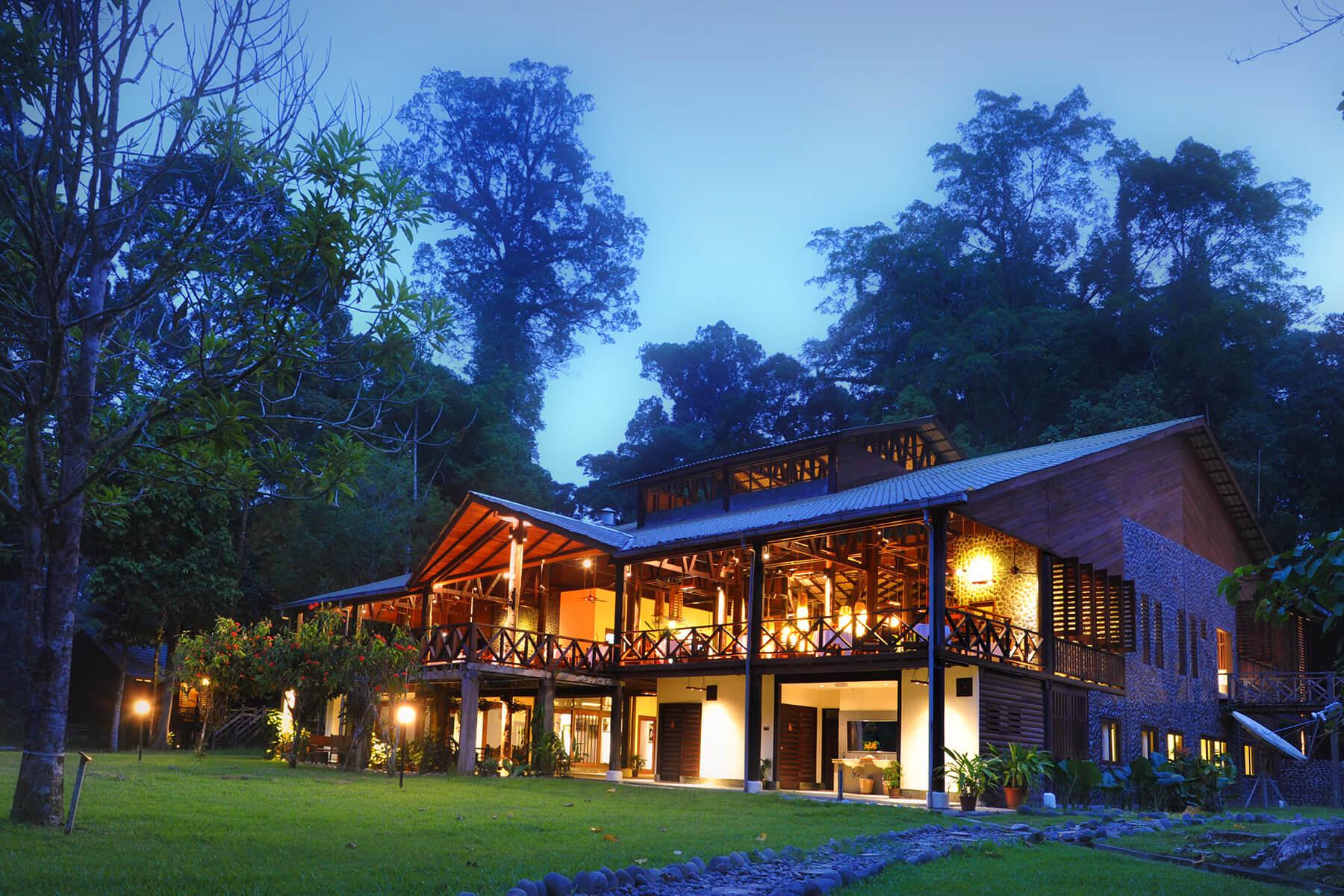
Deep inside Sabah’s Danum Valley Conservation Area, Borneo Rainforest Lodge offers one of Asia’s most extraordinary eco-luxury experiences. Reached only by travelling through protected rainforest, it sits in one of the planet’s richest wildlife habitats, where orangutans, pygmy elephants, clouded leopards and hornbills roam the surrounding forest, and every walk could end in an unforgettable encounter.
What sets the lodge apart is its balance of comfort and conservation. Accommodation blends into the landscape rather than overwhelming it, while expert guides explain rainforest ecology, wildlife behaviour and ongoing conservation work. Each excursion becomes a lesson in why these ecosystems depend, in part, on responsible tourism.
Many guests arrive hoping to spot iconic wildlife but leave talking about quieter moments: dawn breaking through mist above the canopy, gibbons calling across the valley, or standing silent beside trees centuries old. Luxury here is access to one of Earth’s last great wildernesses.
Japamala Resort Tioman: Sustainability Beside the Sea
Preview
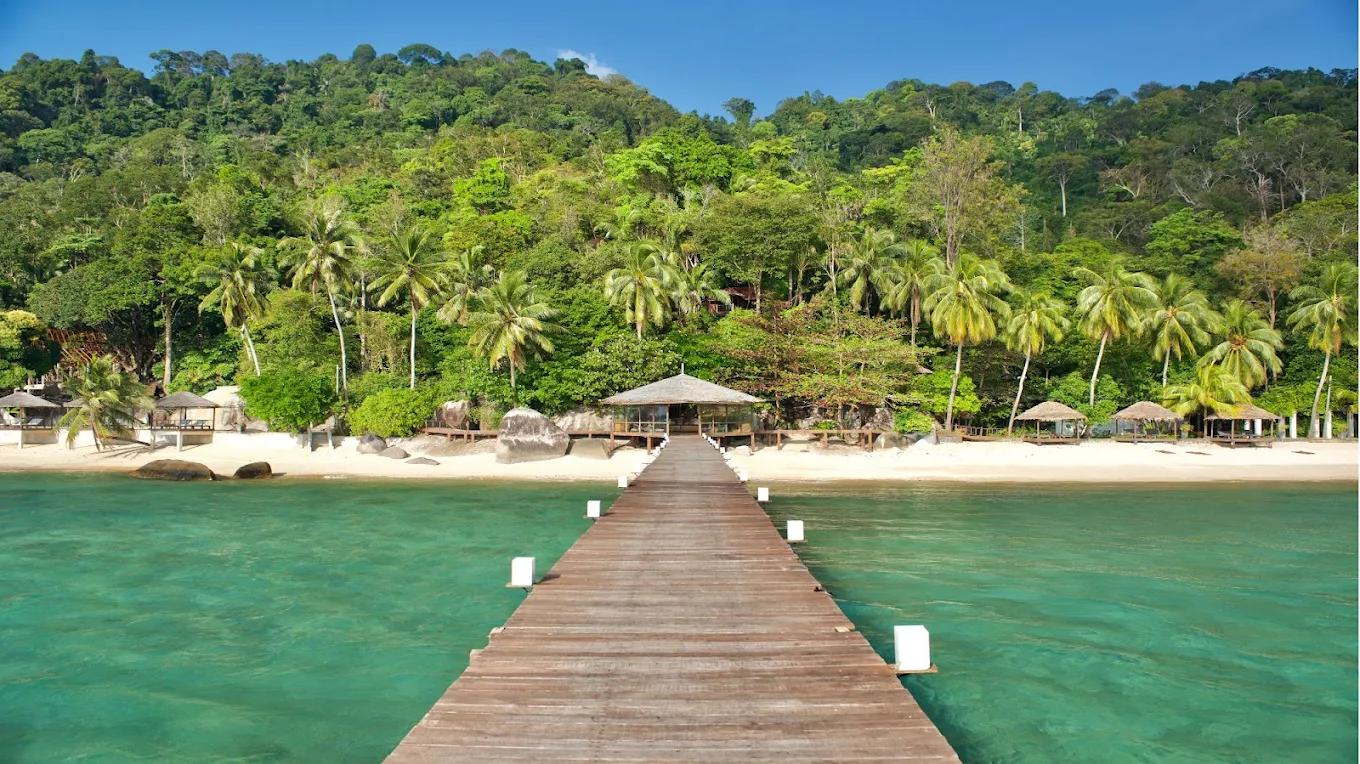
Set on Tioman Island, Japamala Resort has long believed in building with nature rather than against it. Instead of clearing rainforest, the resort placed its villas carefully around existing vegetation, so mature trees remain central to its character, and elevated walkways protect the forest floor while inviting guests to slow down and wander. The sea gets the same care. Tioman Island's coral reefs are rich in life, and responsible snorkelling and diving help keep them that way.
Local guides teach guests how the reef works, turning appreciation into protection, and choosing responsible operators means tourism supports these waters rather than harming them. Even the menu follows the philosophy. Fresh seafood, tropical fruits and locally sourced ingredients celebrate regional flavours while supporting nearby communities, proof that sustainability often tastes remarkably good.
Janda Baik: Boutique Sustainability Close to the City

Preview
Eco luxury does not always mean journeying deep into the rainforest. Janda Baik, less than an hour from Kuala Lumpur, has quietly become a favourite for travellers who want a responsible escape without the long trip. Boutique lodges across the village practise low-impact hospitality, protecting rivers, forests and farmland while creating calm places to rest.
Many properties collect rainwater, rely on natural ventilation, use locally crafted furniture and grow their own herbs, vegetables and fruit. Farm-to-table dining is popular here, with ingredients picked only metres from the kitchen. Walking trails, river picnics, birdwatching and wellness activities invite guests to reconnect with nature instead of depending on elaborate entertainment.
Perhaps Janda Baik’s greatest gift is showing that sustainability can feel wonderfully simple. There is no dramatic conservation messaging, just slower living in a place where thoughtful choices have become everyday habits.
Food as Part of Sustainable Travel

Preview
Food is one of the most overlooked parts of eco luxury. Choosing local ingredients cuts transport emissions, supports nearby farmers, protects regional agriculture and introduces travellers to flavours they cannot find anywhere else. Malaysia’s rich agricultural diversity makes this especially rewarding. In Cameron Highlands, boutique stays partner with neighbouring farms for vegetables, herbs, strawberries, mushrooms and tea.
Coastal properties buy seafood straight from local fishermen, while rainforest retreats showcase tropical fruits and indigenous ingredients found only in their region. Meals become a taste of place rather than the same hotel menu repeated across countries. Fresher produce also simply tastes better, with more flavour and fewer artificial enhancements than anything imported could offer. Eating locally is one of the most enjoyable ways to travel responsibly.
Communities at the Centre of Conservation
Successful eco-tourism starts with a simple truth: protecting nature means supporting the people who live closest to it. Across Malaysia, many sustainable stays work with nearby communities through jobs, training, cultural programmes and artisan partnerships. Guests who buy handmade crafts, join guided cultural experiences or eat locally produced food help keep traditional livelihoods alive.
In Sabah and Sarawak, indigenous communities hold remarkable knowledge of rainforest ecology, medicinal plants, wildlife behaviour and sustainable resource use. Weaving that wisdom respectfully into a visit creates real cultural exchange and gives it the value it deserves. Responsible tourism does not replace local traditions. It helps preserve them.
These partnerships make a holiday feel richer, because you know your presence leaves something good behind.
Why Eco Luxury Is the Future of Travel
Preview
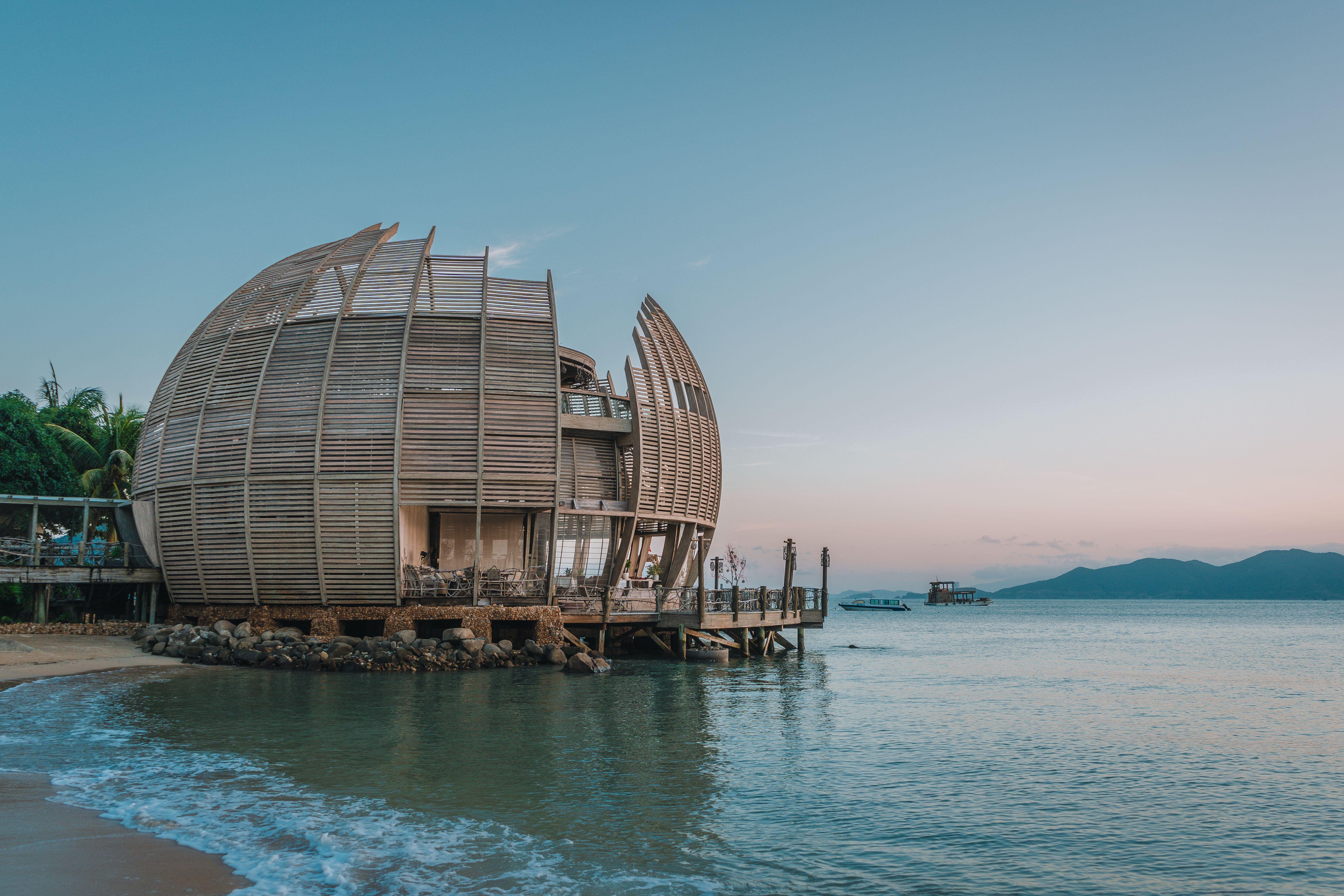
Travellers are realising that extraordinary places stay extraordinary only if someone looks after them. Beaches lose their magic when the coral fades, rainforests stop inspiring when wildlife disappears, and heritage towns feel emptier when the families who built them can no longer afford to stay. Eco luxury offers a way forward, showing that tourism can be part of the solution rather than the problem.
Malaysia is especially well placed for this future, because its greatest attractions are woven into nature and culture. Ancient forests, rich biodiversity, indigenous heritage, fertile farmland and living coastlines offer experiences no one could manufacture, and protecting them benefits everyone.
Choosing a sustainable stay is one of the simplest ways to give something back while enjoying an unforgettable journey.
Final Thoughts: Travel That Gives Back
Preview
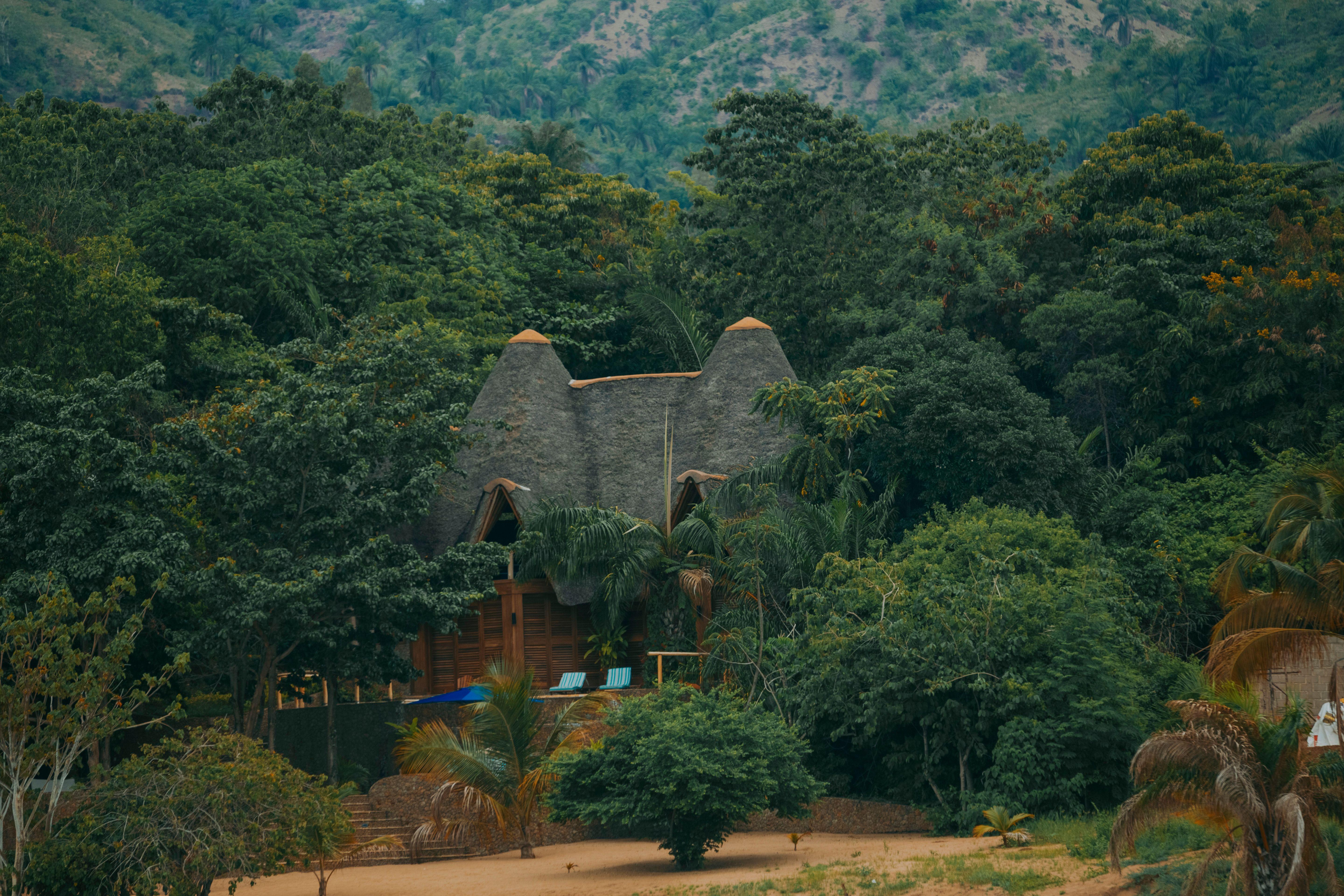
Luxury no longer needs to be measured by extravagance. Increasingly, it is measured by authenticity, purpose and the knowledge that extraordinary places will stay beautiful for the generations that follow. Malaysia’s finest eco-luxury stays prove that protecting nature, celebrating culture, and offering exceptional hospitality are not rival goals but natural partners.
From the ancient rainforests of Langkawi and Danum Valley to the quiet retreats of Janda Baik, the jungle hideaways of Negeri Sembilan and the unspoiled shores of Tioman, these places offer far more than a beautiful room. They invite you to see Malaysia with deeper appreciation and a lighter footprint, and to leave knowing it is just as extraordinary as when you arrived. Explore thoughtfully curated eco-friendly journeys with LAGO Travel and discover how sustainable travel creates richer adventures for travellers and the places they visit.