


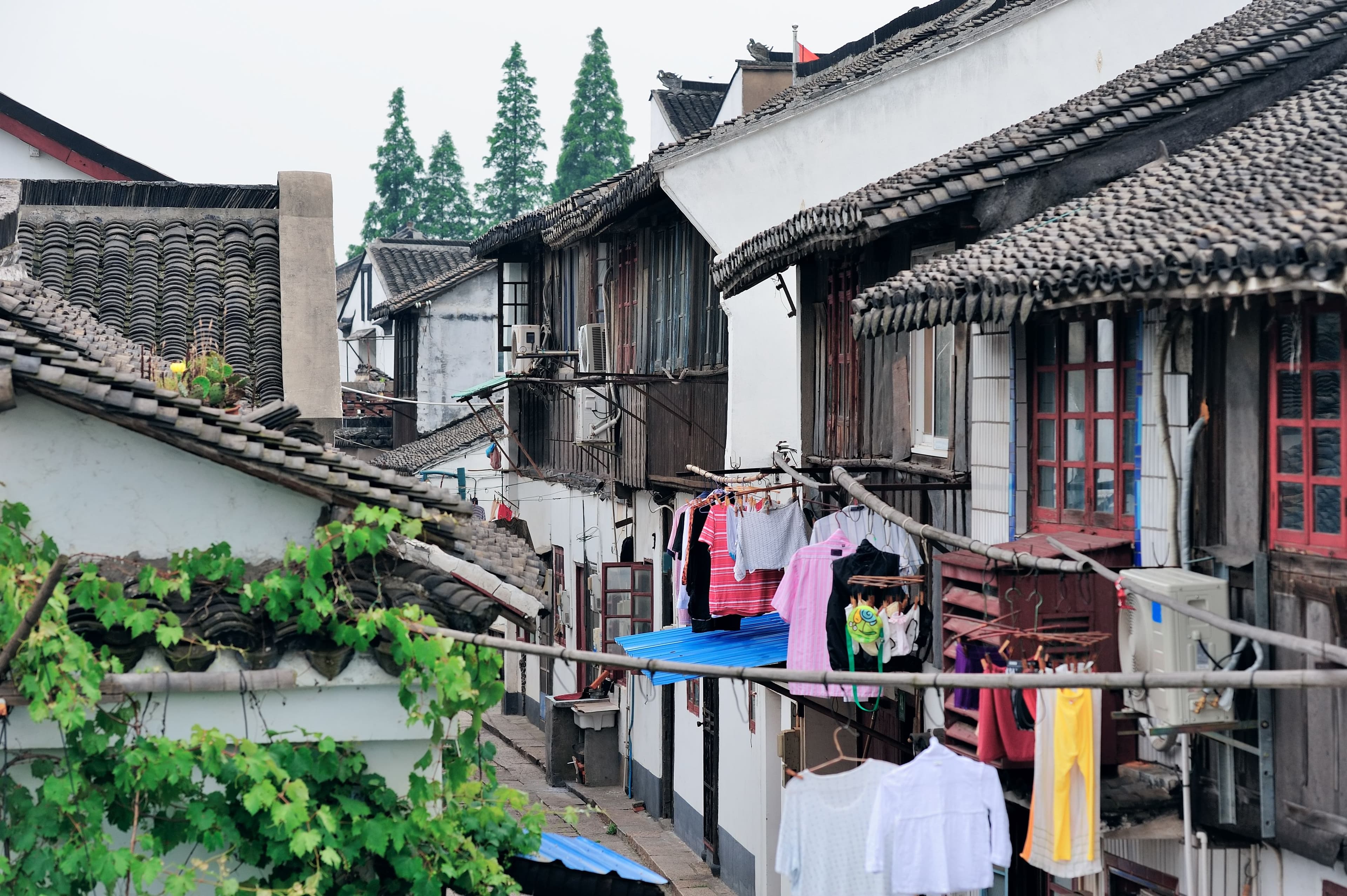
Behind the Scenes: What Tourism Really Means for Malaysia’s Small Towns
The Hook: Beyond the Beautiful Facade
Every destination has two stories. The first is the one travellers see. Quiet streets, charming cafés, colourful buildings, friendly smiles. It feels effortless, almost like the place has always been ready to welcome visitors. The second story is quieter. It exists behind shop counters, in family kitchens, in the early mornings before tourists arrive, and in the late evenings after they leave. It is the story of how tourism shapes everyday life for the people who call these places home. In Malaysia, small towns are becoming an increasingly important part of the travel experience. As Visit Malaysia 2026 continues, more travellers are venturing beyond major cities to discover slower, more intimate destinations.
These towns offer something different—a sense of calm, authenticity, and connection that feels harder to find in larger urban centres. But tourism is not just an experience for visitors. It is also a reality for local communities. It creates opportunities. It brings change. It challenges traditions while also helping preserve them. To truly understand a destination, it helps to look beyond what is presented and explore what tourism means from the inside. Because every cup of coffee served, every room prepared, and every smile offered carries a story behind it.
Why Small Towns Matter in Malaysia’s Tourism Landscape

Preview
Malaysia’s small towns are where the country’s character feels most grounded. Places like Taiping, Muar, Kuala Selangor, and others may not have the scale of major cities, but they offer something equally valuable. They provide insight into everyday life, local traditions, and community rhythms. For travellers, these towns feel approachable. You can walk through them easily, notice details, and engage with people more naturally. For Malaysia, they represent an opportunity to distribute tourism more evenly across the country.
Instead of concentrating visitors in a few well-known destinations, small town tourism helps spread economic benefits to a wider range of communities. This shift supports Sustainable Travel by reducing overcrowding while creating new opportunities for local businesses. But growth also brings complexity. Understanding that balance is essential for responsible travel in 2026 and beyond.
The Economic Story: Opportunities and New Beginnings
Preview
Small Businesses Finding New Life
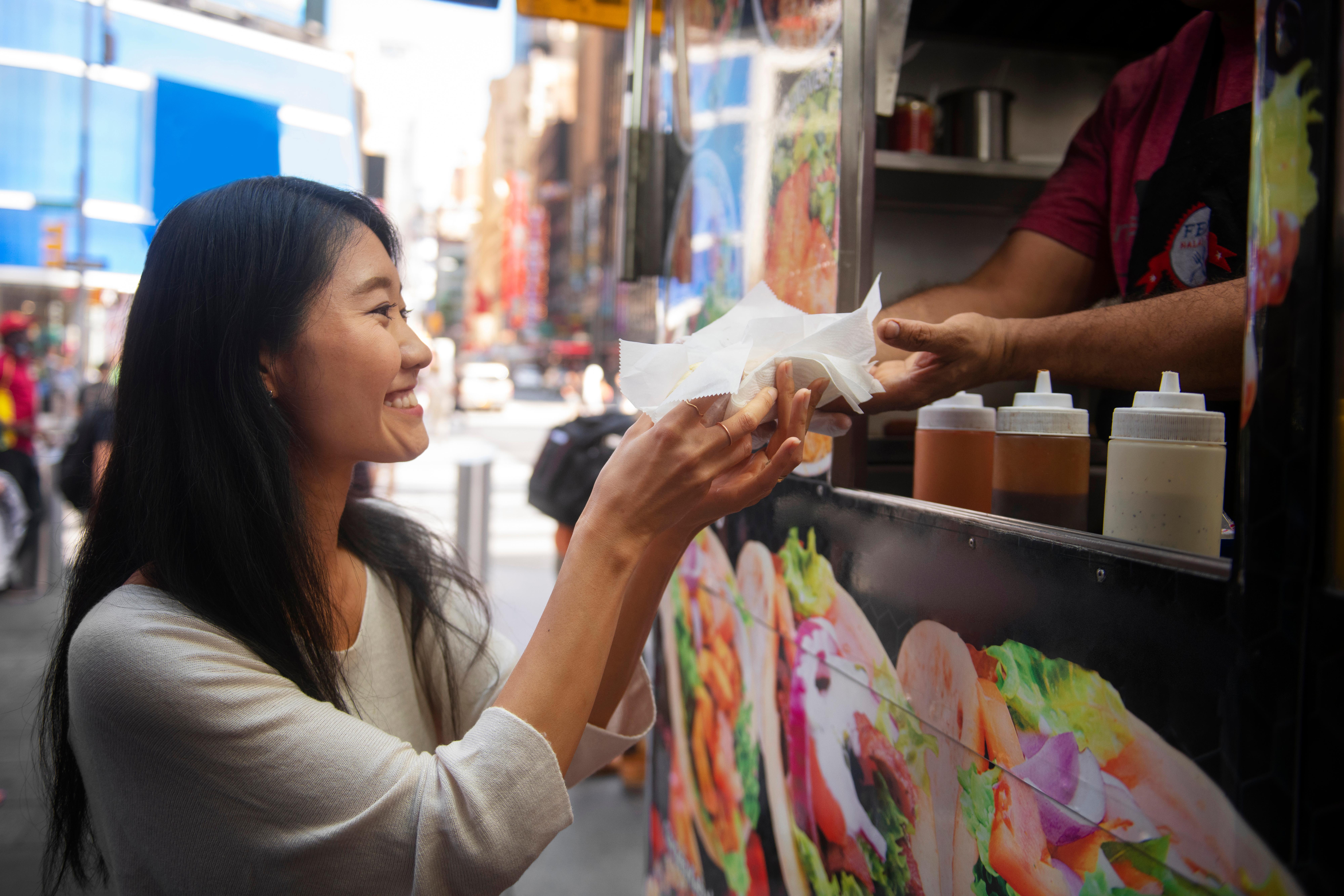
Tourism often begins with small changes. A family opens a café. A home becomes a guesthouse. A local artisan begins selling handmade goods to visitors. These businesses create income that might not have existed otherwise. For many families, tourism offers a way to stay in their hometown rather than moving to larger cities for work.
A small café might employ neighbours. A guesthouse might support local suppliers. Over time, these individual efforts contribute to a broader local economy. For travellers, this means that spending money in small towns often has a direct and visible impact. A meal is not just a transaction. It is part of someone’s livelihood.
New Skills and Opportunities
Tourism also introduces new skills into communities. Residents become guides, hosts, entrepreneurs, and storytellers. They learn how to interact with visitors, manage bookings, and present their culture in ways that feel both authentic and welcoming. This shift can be empowering. Young people who might have left for city jobs sometimes choose to stay, seeing new potential in their hometowns. Communities become more confident in sharing their identity with the world. At its best, tourism creates a sense of pride.
The Cultural Story: Preservation and Change
Preview
Traditions That Continue to Evolve
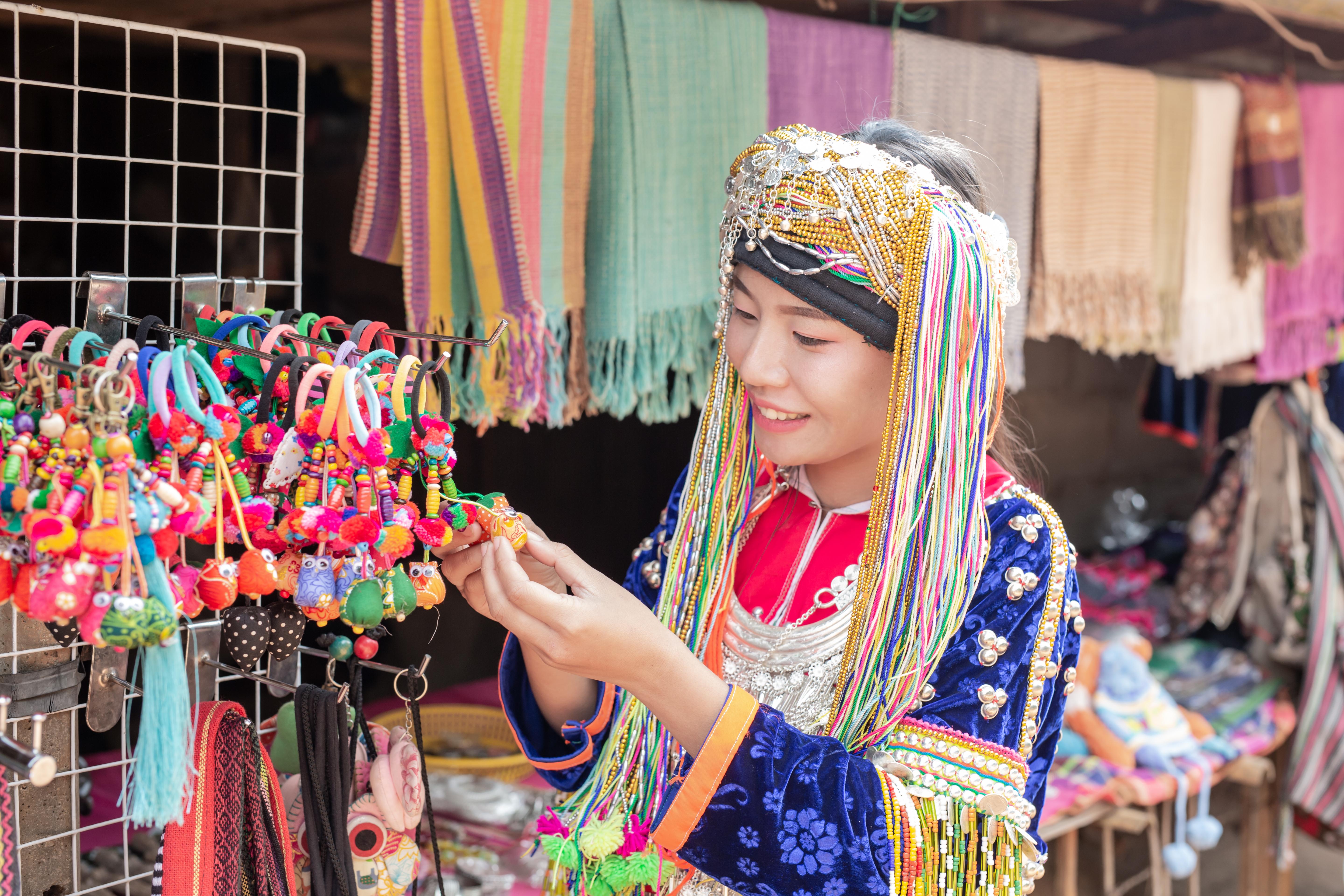
Culture is not static. In small towns, traditions continue to evolve as new influences emerge. Tourism can play a role in both preserving and reshaping these traditions. Festivals may become more visible. Traditional crafts may gain renewed attention. Local dishes might be shared with a wider audience. This visibility can help keep cultural practices alive.
But it also introduces questions. How much should change to meet visitor expectations? How much should remain untouched? Communities navigate these decisions carefully, balancing authenticity with opportunity. For travellers, this means that what you experience is often part of an ongoing story rather than a fixed snapshot.
The Risk of Losing Identity
While tourism brings benefits, it can also create pressure. As visitor numbers increase, towns may begin to change in visible ways. Traditional shops might be replaced by trend-driven businesses. Quiet streets may become crowded. There is a risk that places begin to feel designed for visitors rather than lived in by locals. This is where responsible travel becomes important.
Choosing where and how to spend time can influence how destinations develop. Supporting businesses that reflect local identity helps maintain the character that makes small towns special in the first place.
The Human Story: Everyday Life Behind Tourism

Preview
The Early Morning Routine
Before tourists arrive, towns follow their own rhythm. Vendors prepare ingredients. Café owners set up tables. Streets are cleaned, and markets begin to fill with early activity. These moments are rarely seen by visitors, yet they are essential to the experience. They reflect the effort behind what often feels effortless.
Evenings After the Crowds Leave
When the day ends, the town returns to itself. Shops close. Streets quiet. Locals gather, share meals, and reconnect after a day of work. These quieter hours reveal a different side of the destination. One that feels more personal and less performative. For travellers who stay longer, these moments often become the most meaningful.
Why This Matters for Travel in 2026
As Visit Malaysia 2026 continues, the focus is shifting toward more thoughtful travel. Tourism is no longer just about attracting visitors. It is about creating experiences that benefit both travellers and communities. Small towns play a crucial role in this vision. They offer opportunities for deeper engagement, slower travel, and more balanced tourism development.
But their future depends on how tourism is approached. Responsible choices from travellers can help ensure that these destinations remain authentic, welcoming, and sustainable.
Practical Tips for Responsible Travel in Small Towns
- Choose local businesses whenever possible.
- Eat at family-run restaurants, stay in locally owned accommodations, and buy handmade products.
- Be mindful of behaviour. Respect local customs, dress appropriately, and avoid disrupting daily life.
- Travel at a slower pace. Spend more time in fewer places rather than rushing through multiple destinations. Engage with curiosity.
- Ask questions, listen to stories, and show appreciation for the people you meet.
These small actions contribute to a more positive and meaningful travel experience for everyone involved.
Final Thoughts: Seeing the Full Picture

Preview
Small towns offer more than scenic views and quiet streets. They offer stories of change, resilience, and community. Understanding what tourism means for these places allows you to see beyond the surface and appreciate the full picture. As you explore Malaysia during Visit Malaysia 2026, take a moment to look a little deeper.
Because the most meaningful journeys are the ones that connect not just with places, but with people. To explore curated, responsible travel experiences across Malaysia, visit LAGO Travel and discover journeys that go beyond the expected.