


Walking Tours: The Rise of Slow City Exploration in Malaysia
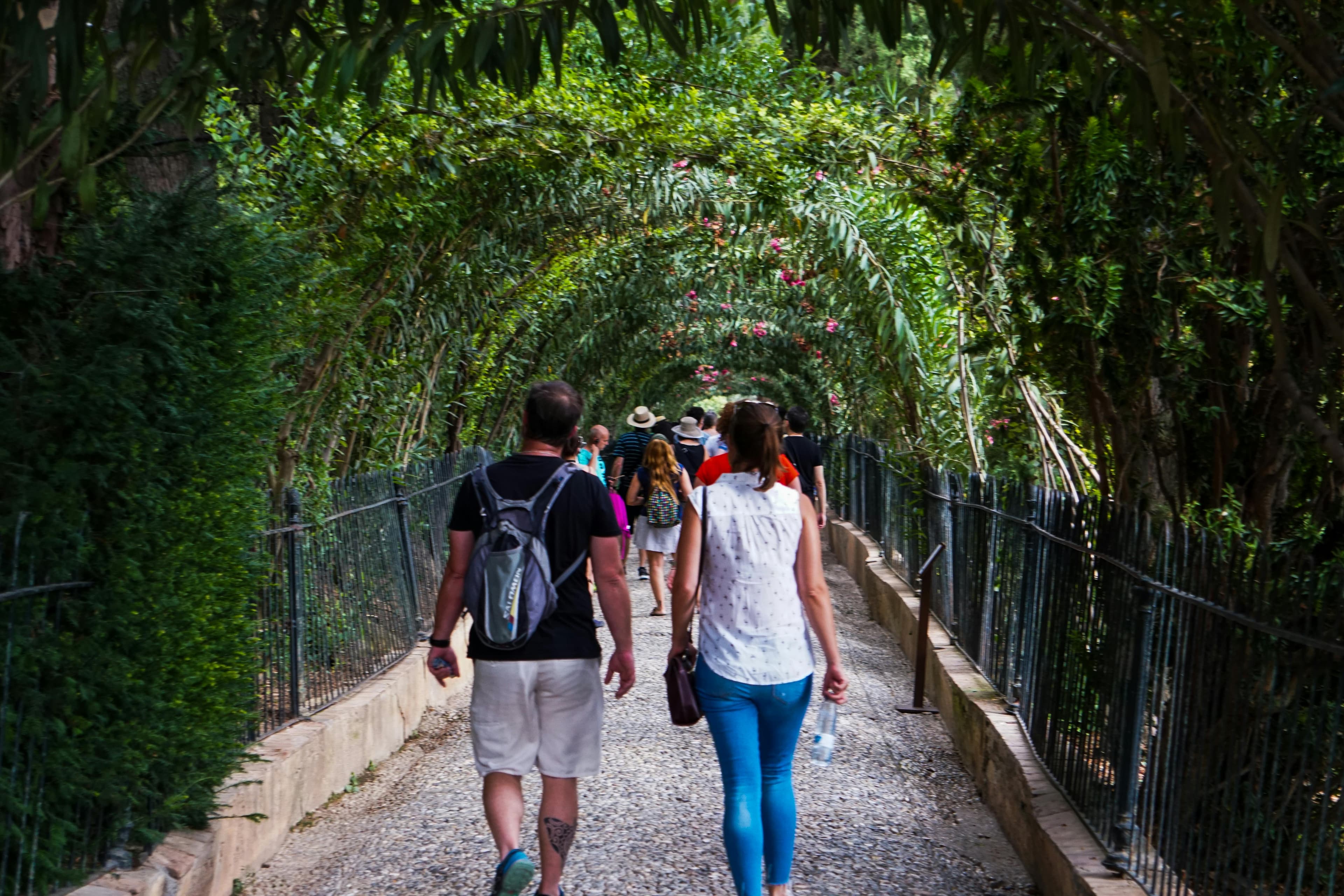
There is a moment, usually unexpected, when travel shifts. You stop rushing. You stop checking the time. You stop thinking about what comes next. Instead, you start noticing. The texture of an old wall, the rhythm of footsteps on a quiet street, the smell of food drifting from a nearby kitchen. This is the quiet magic of walking. In a world where travel often feels fast and transactional, walking tours are making a gentle return. Not as a trend-driven activity, but as a response to something many travellers are beginning to feel.
The need to slow down. Cities are no longer places to simply pass through. They are places to inhabit, even briefly, with care and intention. And the best way to do that is often the simplest. On foot. In Malaysia, walking tours are becoming an increasingly meaningful way to understand cities from the inside out. They offer a chance to move at a human pace, to connect with surroundings, and to experience culture not as a packaged highlight, but as something lived and still unfolding. This is slow city exploration. And once you experience it, it changes everything about how you travel.
Why Walking Tours Are Changing the Way We Explore
Preview
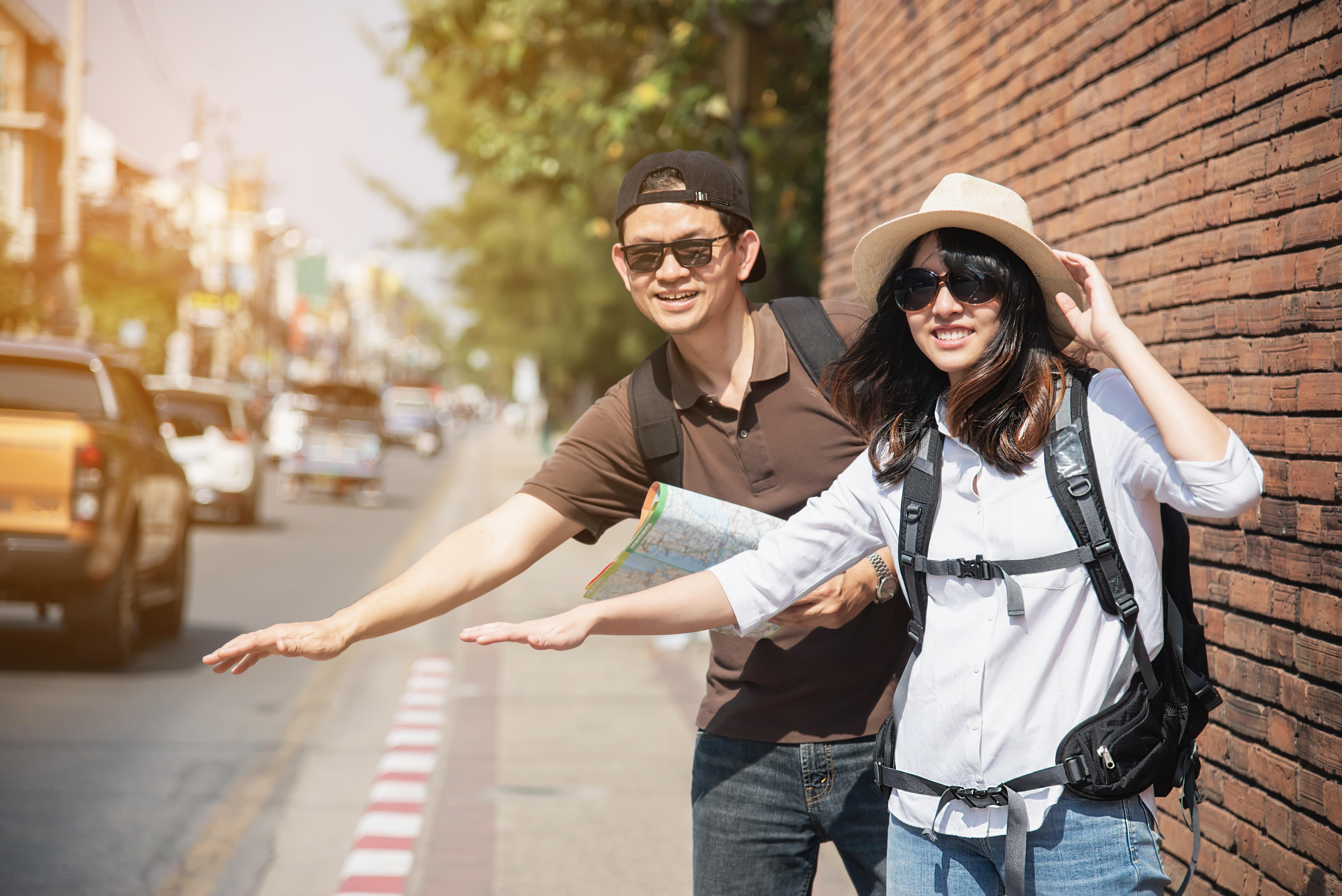
Walking creates connection. When you move through a city slowly, you become part of it rather than a spectator passing through. You hear conversations drifting from open doorways, notice the rhythms of daily life, and begin to understand how a place truly functions beyond its popular attractions. This is especially true in Malaysia, where culture is layered and visible in the most ordinary moments.
A walking tour is not just about seeing more. It is about seeing differently. Details that vanish in a blur from a car window become vivid and memorable on foot. A hidden café tucked between two ageing shophouses. A mural that quietly tells a community's story. A family business that has occupied the same corner for generations. Walking also encourages a kind of natural curiosity. Without the barrier of distance or speed, it feels entirely easy to pause, look closely, and engage with what surrounds you. For travellers drawn to mindful travel and genuine cultural connection, walking tours offer a way to move through cities with real intention.
The Cities That Come Alive on Foot
George Town: Stories on Every Wall
Preview
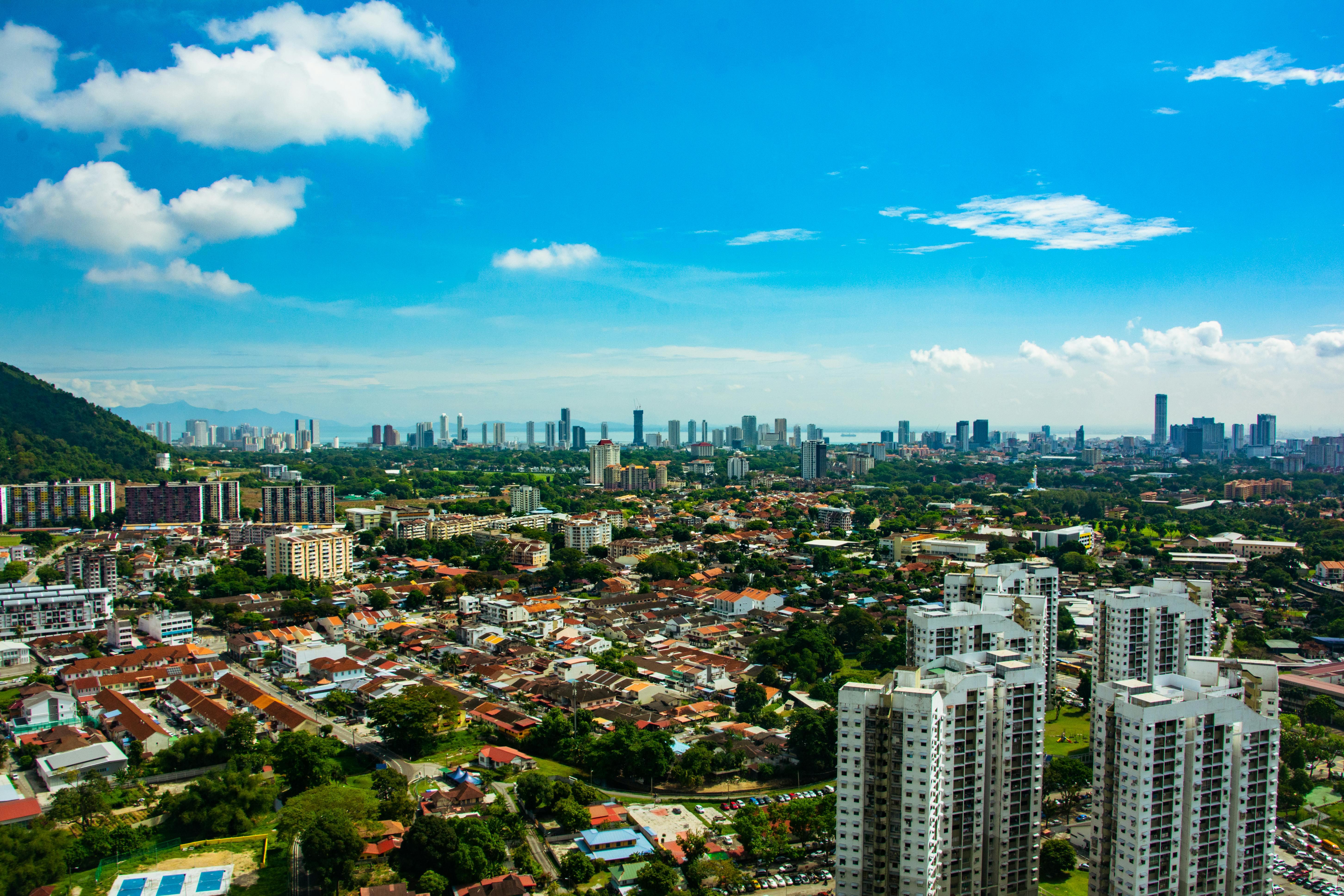
In George Town, walking feels like stepping into an open storybook. The streets are layered with heritage buildings, unexpected street art, and small, quiet details that reveal centuries of history. Moving through the city on foot, you pass between cultures almost effortlessly. Chinese temples, colonial architecture, and contemporary cafés exist side by side without any sense of contradiction. The street art adds another dimension entirely. These murals are not simply decorative pieces. They carry local stories, dry humour, and a strong sense of identity. Finding them becomes its own quiet adventure, one that genuinely rewards patience and a willingness to wander.
Food is never far away. Hawker stalls and neighbourhood eateries appear around corners, inviting you to pause and let the city speak through taste. George Town is a constant reminder that walking is not just movement through space. It is discovery at its most personal.
Melaka: A City Designed for Slow Travel
Preview
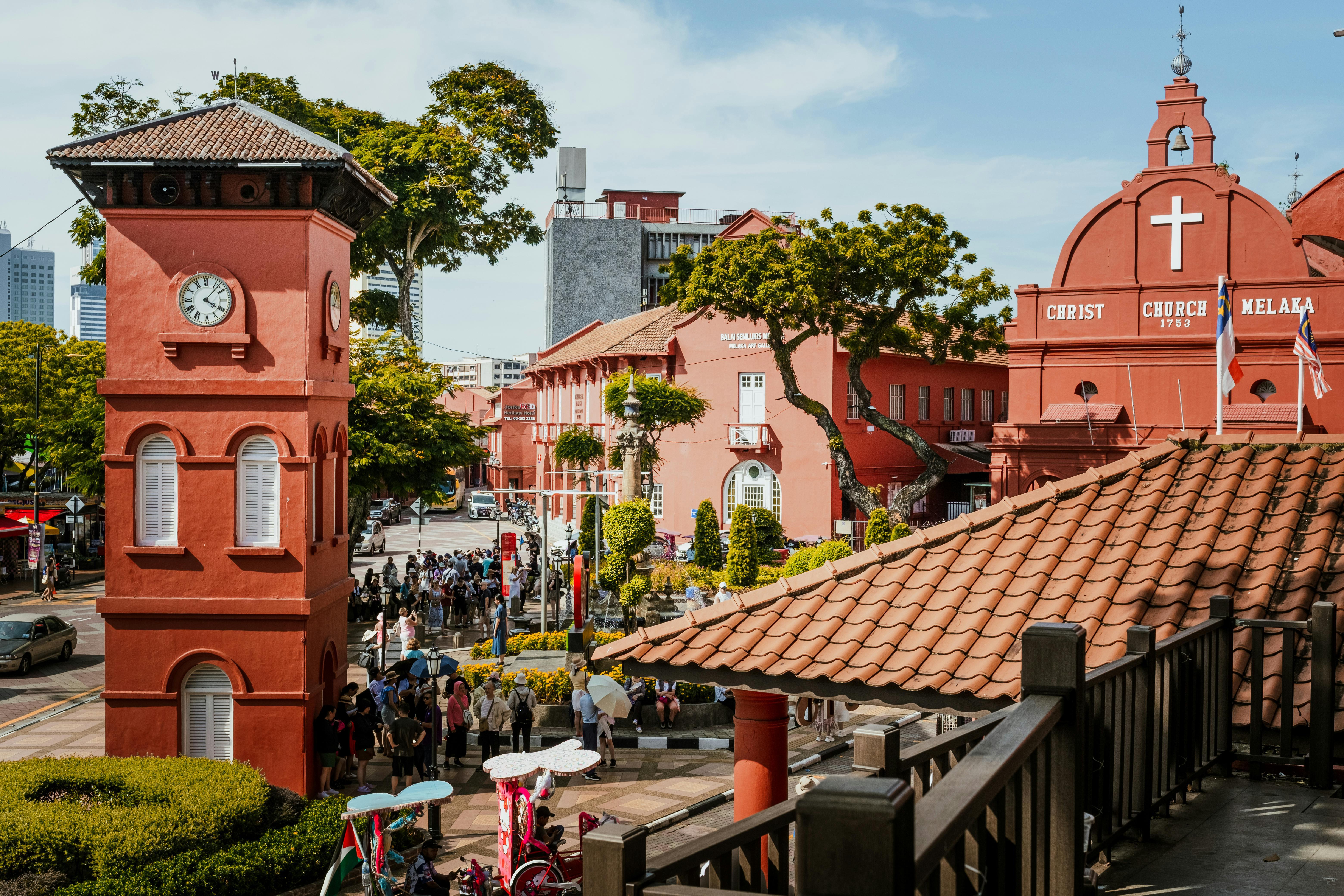
In Melaka, a slower pace feels entirely natural. The city's compact layout makes it well-suited for unhurried exploration, where streets connect easily, and the overall atmosphere encourages lingering rather than rushing. A walk along the river offers a calm and beautiful introduction. Colourful buildings reflect on the water's surface, and the mood throughout feels genuinely relaxed.
From the riverbank, it is easy to wander into heritage quarters, open-air markets, and quieter residential lanes. Melaka's charm lives in its details. Old shopfronts with faded painted signs, traditional craftsmanship visible through open doorways, and the small, unrehearsed interactions of daily life all contribute to a sense of place that reveals itself gradually. Walking here is not about covering ground. It is about absorbing the atmosphere one step at a time.
Kuala Lumpur: Finding Quiet Within the City
Preview
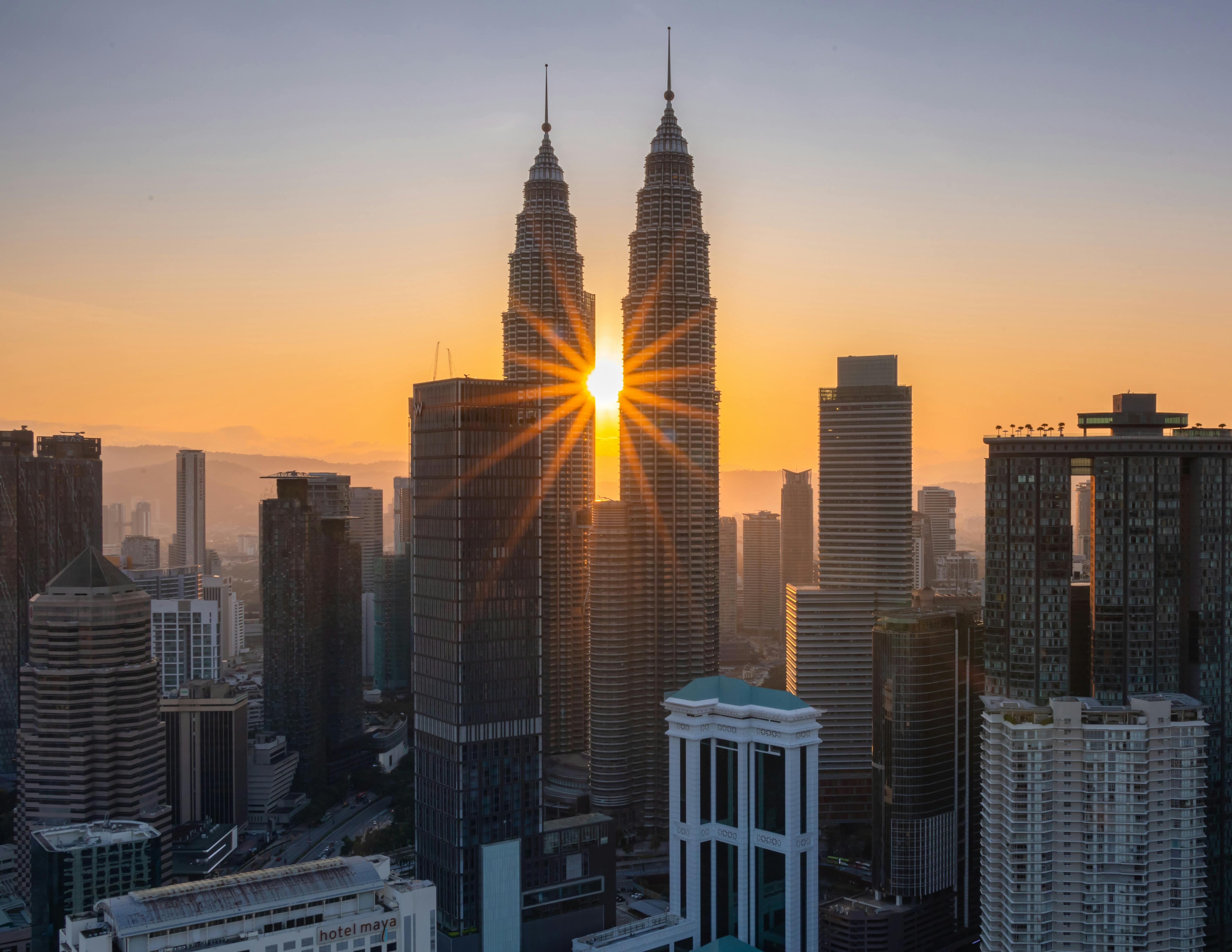
At first impression, Kuala Lumpur may not seem like a city built for walking. It is energetic, modern, and always in motion. But beneath that surface energy, there are pockets of calm and character waiting to be found. Neighbourhoods like Chinatown and Kampung Baru carry a distinctly different pace. Moving through these areas on foot uncovers a side of the city that feels grounded and genuine. Street markets, roadside food stalls, and traditional timber homes create a vivid contrast to the gleaming skyline visible just beyond.
You begin to appreciate how history and contemporary life coexist here without tension. Even in one of Southeast Asia's most fast-paced capitals, walking creates moments of unexpected stillness. Those moments are often the ones you remember longest.
Ipoh: Quiet Streets and Gentle Discoveries
Preview
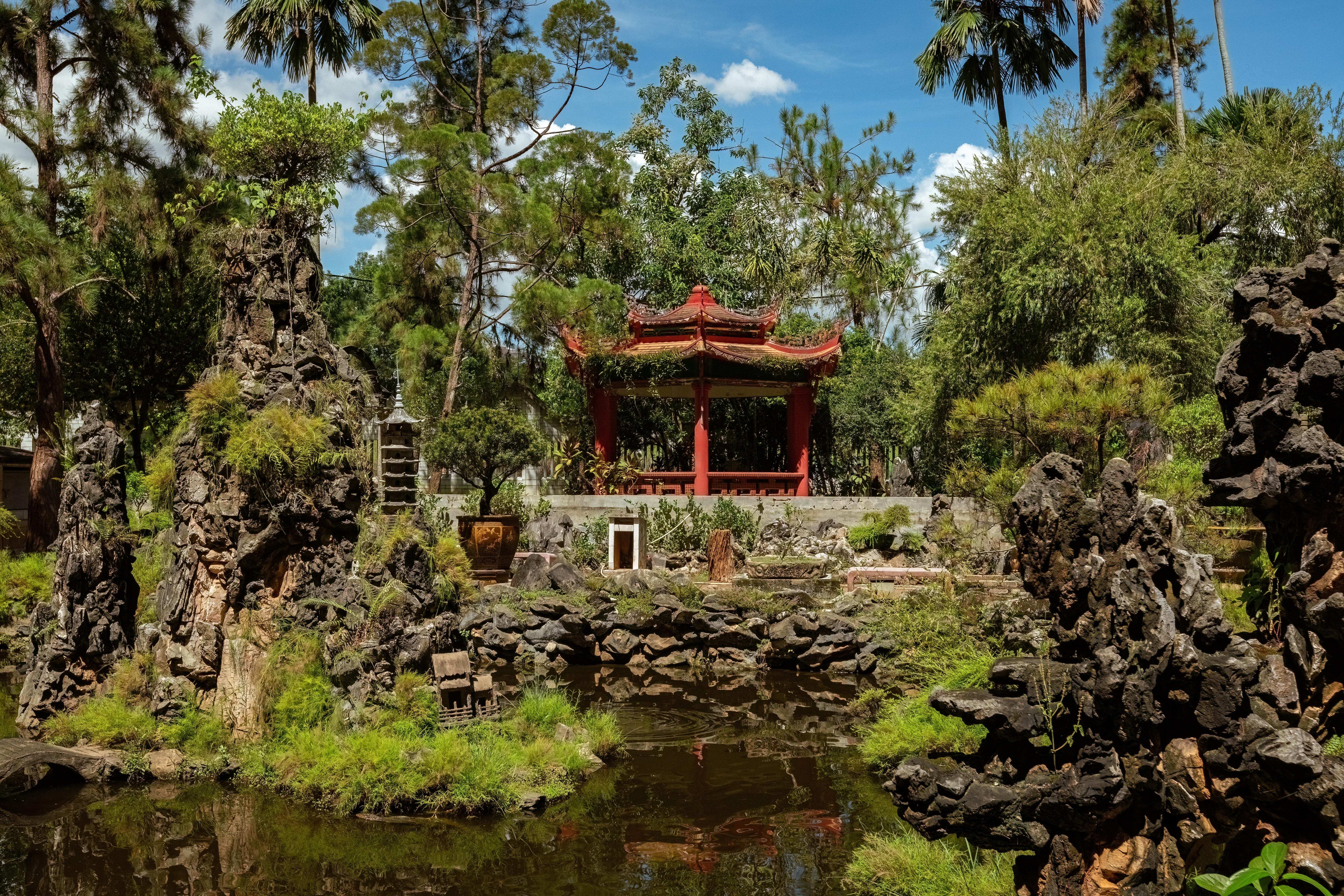
Ipoh is one of Malaysia's most underrated cities for exploring on foot. Its relaxed character makes it perfectly suited to slow, unhurried wandering. The streets are less crowded, the pace is comfortable, and there is a warmth to the city that feels immediately welcoming. The old town is filled with beautifully preserved heritage buildings, independently run cafés, and hidden corners that seem to exist specifically for those curious enough to look. Walking through Ipoh feels effortless, as though the city itself has no interest in rushing you.
Food plays a genuinely central role in the experience. From long-established local coffee shops to traditional dishes that have barely changed in decades, each stop becomes a meaningful part of the journey rather than a brief interruption. Ipoh demonstrates clearly how a walking tour can transform an ordinary visit into something worth remembering.
What Makes Walking Tours So Different
Preview
The Freedom to Pause
One of the greatest pleasures of exploring on foot is the ability to stop whenever something catches your attention. There is no fixed itinerary to honour, no vehicle waiting, no group schedule to maintain. You can linger somewhere that feels interesting for as long as you like, or move on the moment you are ready. This kind of flexibility allows travel to feel organic and responsive rather than planned and managed.
The Power of Observation
Walking sharpens your awareness in ways that other modes of transport simply cannot. You notice how people interact across a narrow street, how public spaces are used throughout the day, how the character of a neighbourhood shifts between morning and evening. Light changes, energy shifts, and the city reveals new dimensions of itself depending on when you are present. These layered observations build a kind of understanding that no guidebook can fully provide.
The Emotional Connection
Walking creates a bond with a place that is difficult to replicate through any other means. You carry the memory of somewhere not just as an image but as a physical experience. The exact route you took, the turns you made instinctively, the sensation of moving through an unfamiliar space and gradually making it feel familiar. These are the memories that tend to stay with you long after a trip ends.
Guided vs Self-Guided Walking Tours
Both approaches offer their own distinct rewards. Guided walking tours provide context and depth. A knowledgeable local guide shares stories, historical layers, and personal insights that bring streets and buildings to life in ways you would never discover alone. They help you see beyond the visible surface of a place.
Self-guided walks offer something different: genuine freedom. You move entirely at your own pace, follow whatever captures your interest, and build your own path through the city. In Malaysia, both options work well depending on what kind of traveller you are. Many cities are straightforward to navigate independently, while a local guide can add remarkable depth and meaning to what you encounter. The choice simply comes down to how you prefer to explore.
Practical Tips for Walking Tours in Malaysia
- Starting early in the day makes a considerable difference. Morning temperatures are far more comfortable, and the quieter atmosphere adds to the overall experience.
- Wear well-fitted, comfortable shoes. Streets vary widely in texture and condition, and walking distances can often be longer than they appear on a map.
- Stay well hydrated throughout. Malaysia's climate is warm and humid, even in areas with good shade cover.
- Permit yourself to rest. Stopping at a local café, a park bench, or a shaded courtyard is not a pause in the experience. It is part of it.
- Above all, allow time. Walking is not about efficiency. It is about being fully present in a place.
Why Slow City Exploration Matters Now
Preview
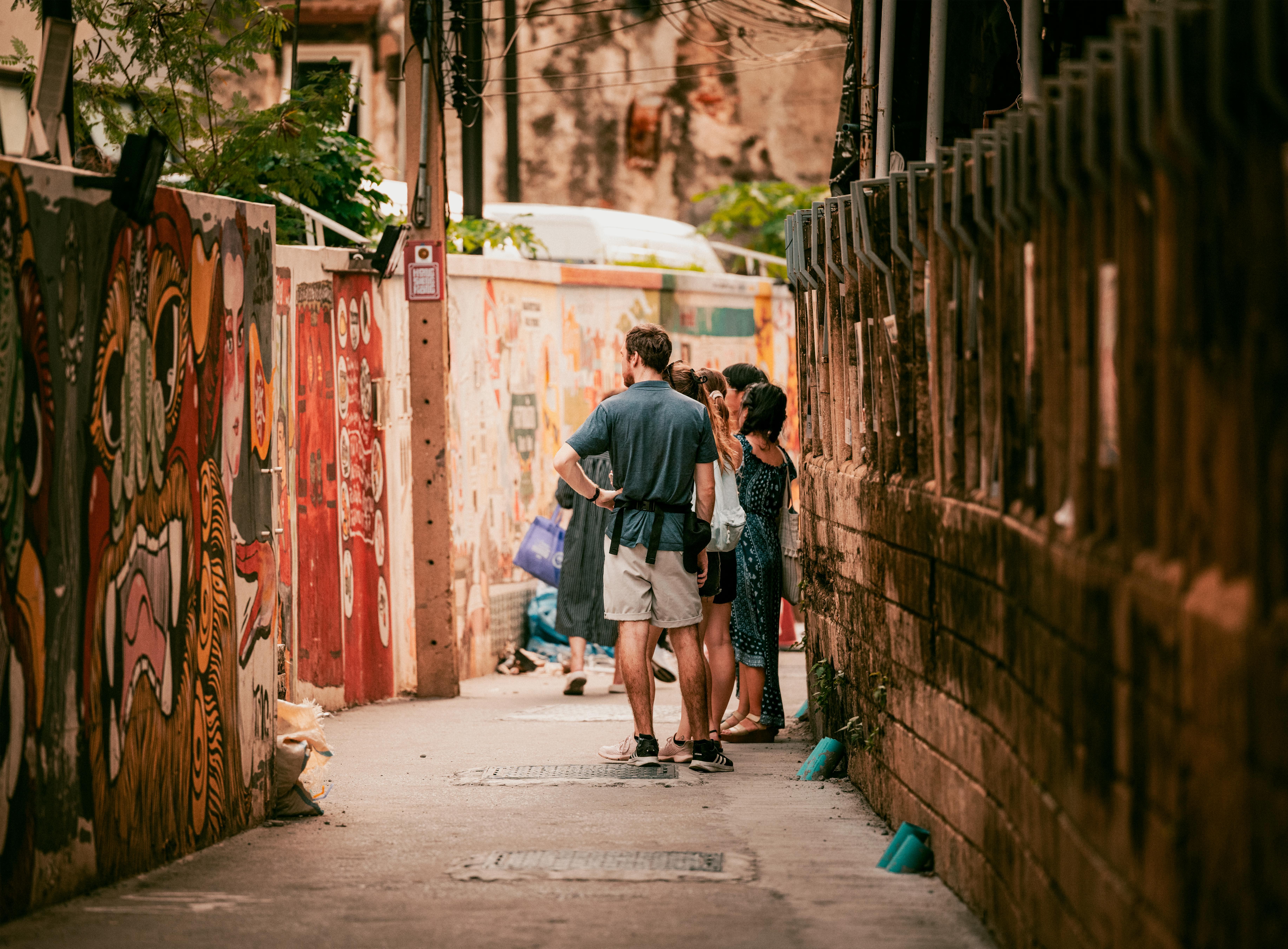
Travel is shifting in a meaningful direction. More people are seeking experiences that feel genuinely worthwhile rather than simply efficient. They want to connect with places, not just consume them. To understand rather than merely observe. Walking tours align naturally with this growing desire. They encourage presence, openness, and a deeper respect for the places we are fortunate enough to visit. They also carry a lighter environmental footprint while delivering a richer quality of experience in return.
In Malaysia, where culture is woven deeply into the texture of ordinary daily life, walking allows that culture to be encountered in its most honest and unfiltered form. There is no stage being set. What you see is simply how things are.
Final Thoughts: Let the City Set the Pace
Preview
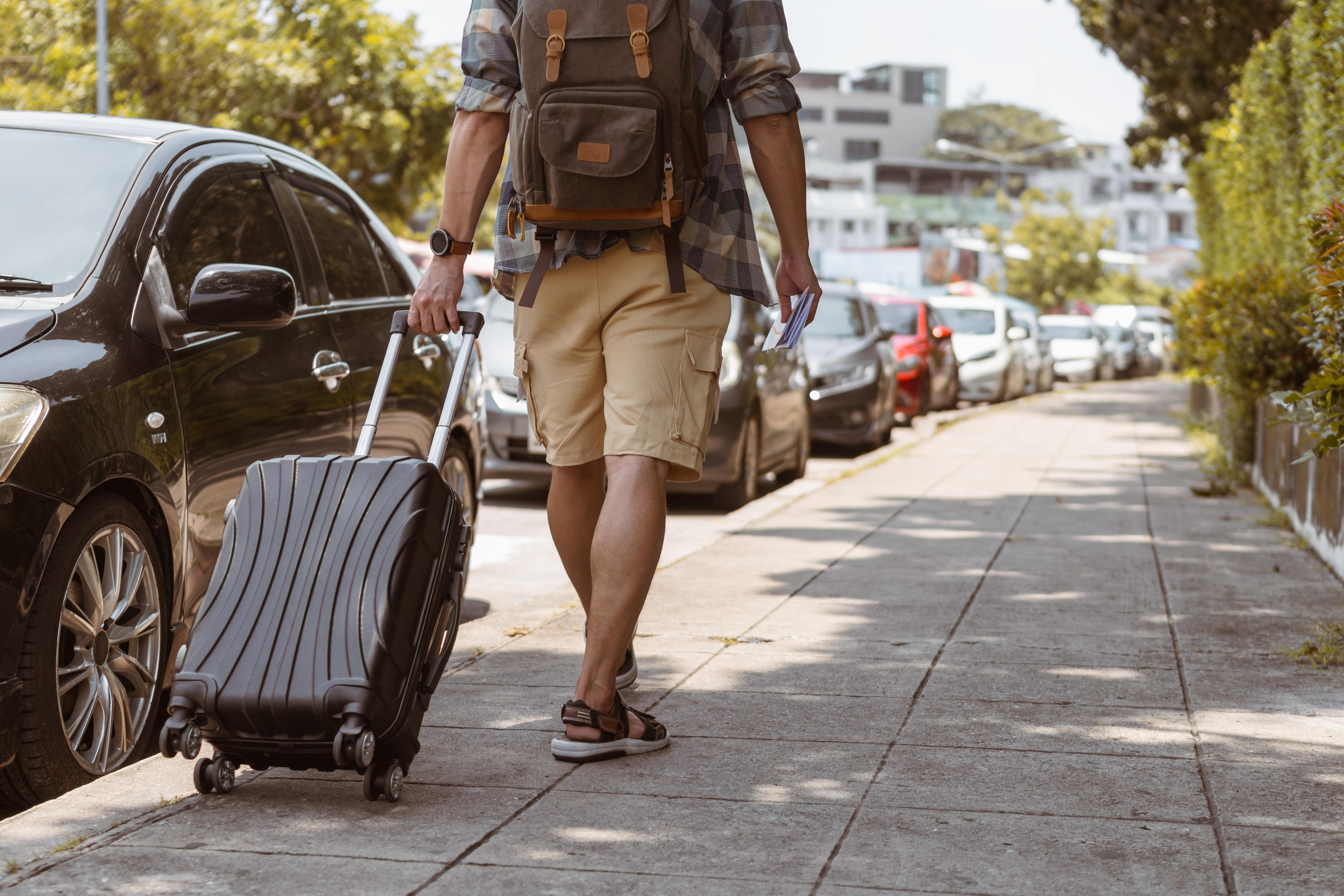
Cities are not meant to be rushed through. They are meant to be felt, understood, and experienced at a pace that allows their true character to emerge. Walking tours offer precisely that pace. They turn travel into something quieter, more personal, and ultimately more meaningful.
If you are ready to explore Malaysia differently, step away from the fast routes and follow the slower path. To discover thoughtfully designed walking experiences, visit LAGO Travel and begin your journey at ground level, where every step tells a story.